
 Genetika člověka
 Mikrobiologické aplikace
 NGS
 Rapid testy

 PCR plasty
 Pipetovací špičky
 Plasty pro buněčnou kultivaci
 Systém pro dlouhodobé skladování vzorků
 Zkumavky

 Třepačky
 Suché lázně
 Centrifugy
 End Point cyclery
 Real-time PCR cyclery
 Fluorometry
 Spektrofotometry
 Izolátory nukleových kyselin
 Pipetovací roboty
 Biobanking
 Live Cell Imaging

 Jednokanálové
 Multikanálové
 Sérologické pipety
 Jednorázové pipety

 Buněčné kultury
 PCR, qPCR, RT
 Detekce Mycoplasmat
 Reverzní transkripce

 Alergie
 Intolerance
 Elisa
 Imunologické analyzátory
 Veterinární imunologie
 Alergie u zvířat
 Intolerance u zvířat

 Čtečky identifikačních čipů
 Termočipy
 Biochemie
 Imunoanalýza



661w Cells
| Unit |
3 x 10^6 cells/ml |
|---|---|
| Cell Type |
Immortalized Cells |
| Tissue Type |
Mouse cell lines |
| Organism |
Mouse |
| Donor History | |
| Growth Properties |
Adherent |
| Growth Conditions |
Culture medium: DMEM ,w: 4.5 g/L Glucose ,w: 4 mM L-Glutamine ,w: 3.7 g/L NaHCO3 ,w: 1.0 mM Sodium pyruvate (Cytion article number 820300a). Supplements: Supplement the medium with 10% FBS. Dissociation reagent: Accutase. Seeding density: 1 to 3 × 10⁴ cells/cm². Freeze medium: As a cryopreservation medium ,we use complete growth medium + 10% DMSO for adequate post-thaw viability. Incubation atmosphere: 37°C ,5% CO2 ,humidified atmosphere. |
| Immortalization Method | |
| Full Information |

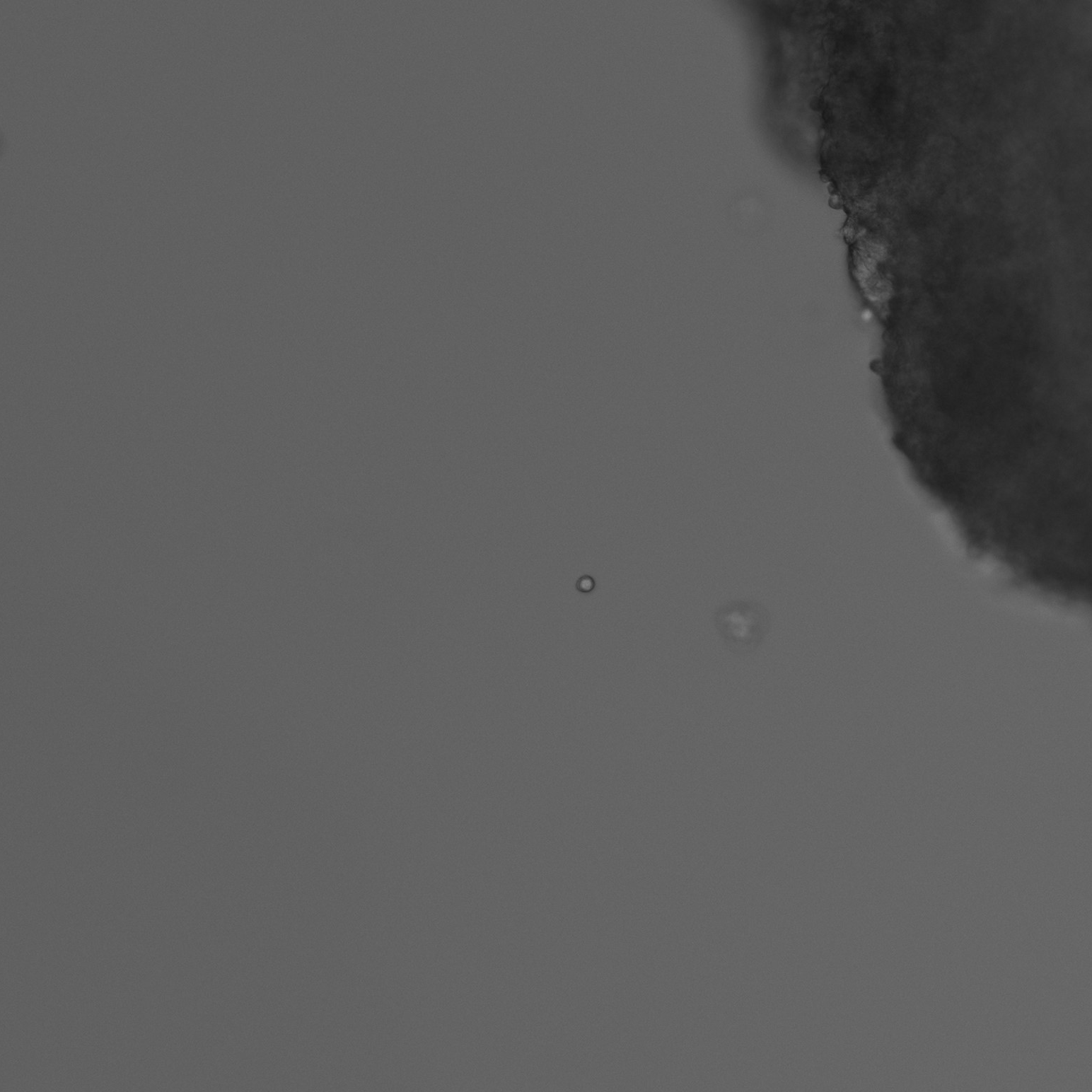
661W is a murine cone photoreceptor-derived cell line originally established from a retinal tumor arising in a transgenic mouse expressing simian virus 40 (SV40) large T antigen under control of the human interphotoreceptor retinoid-binding protein (IRBP) promoter. The line was generated from postnatal retinal explants and represents immortalized cone photoreceptor precursors. 661W cells exhibit adherent growth and are routinely maintained in Dulbecco’s modified Eagle medium supplemented with fetal bovine serum under standard culture conditions. They have been widely used as an in vitro model of cone photoreceptors, particularly in studies of light-induced damage, oxidative stress, apoptosis, and retinal degenerative mechanisms.
Molecular and transcriptomic characterization confirms that 661W cells express the majority of cone photoreceptor markers, including cone opsins and phototransduction-associated genes. High-resolution imaging studies demonstrate that these cells form primary cilia with structural features reminiscent of photoreceptor connecting cilia and outer segments. Immunocytochemical and ultrastructural analyses reveal localization of ciliary proteins to the axoneme, membrane, and transition zone, supporting their utility in investigating retinal ciliopathies. Functional studies have shown that siRNA-mediated knockdown of intraflagellar transport genes such as Ift88 leads to loss of cilia, validating 661W as a tractable system for mechanistic studies of ciliary biology.
661W cells are highly sensitive to photooxidative stress. Exposure to visible light induces apoptotic cell death associated with downregulation of NF-κB activity and activation of caspase pathways. Overexpression of anti-apoptotic proteins such as Bcl-2 confers resistance to light-induced apoptosis, maintaining NF-κB nuclear activity and improving cell survival. These properties make 661W a robust model for dissecting molecular pathways underlying photoreceptor degeneration. It is important to note that the 661W line has also been implicated in historical cell line misidentification events, including cross-contamination with the RGC-5 line, underscoring the necessity of rigorous authentication when employing this model. Collectively, 661W provides a well-characterized murine cone photoreceptor platform for studying retinal degeneration, oxidative stress responses, ciliary function, and therapeutic interventions targeting cone survival.
Společnost Cytion vznikla v roce 2004 v německém Heidelbergu s jasným vědeckým posláním: dodávat ověřené lidské a zvířecí buněčné linie bez kontaminace, připravené za přísně kontrolovaných laboratorních podmínek.
Postupně se vypracovala ve spolehlivou buněčnou banku, která slouží akademickým laboratořím, biotechnologickým firmám i farmaceutickým výzkumným týmům po celém světě. Klade přitom důraz na reprodukovatelnost výsledků, přísnou kontrolu kvality a dlouhodobá partnerství.