
 Genetika člověka
 Mikrobiologické aplikace
 NGS
 Rapid testy

 PCR plasty
 Pipetovací špičky
 Plasty pro buněčnou kultivaci
 Systém pro dlouhodobé skladování vzorků
 Zkumavky

 Třepačky
 Suché lázně
 Centrifugy
 End Point cyclery
 Real-time PCR cyclery
 Fluorometry
 Spektrofotometry
 Izolátory nukleových kyselin
 Pipetovací roboty
 Biobanking
 Live Cell Imaging

 Jednokanálové
 Multikanálové
 Sérologické pipety
 Jednorázové pipety

 Buněčné kultury
 PCR, qPCR, RT
 Detekce Mycoplasmat
 Reverzní transkripce

 Alergie
 Intolerance
 Elisa
 Imunologické analyzátory
 Veterinární imunologie
 Alergie u zvířat
 Intolerance u zvířat

 Čtečky identifikačních čipů
 Termočipy
 Biochemie
 Imunoanalýza


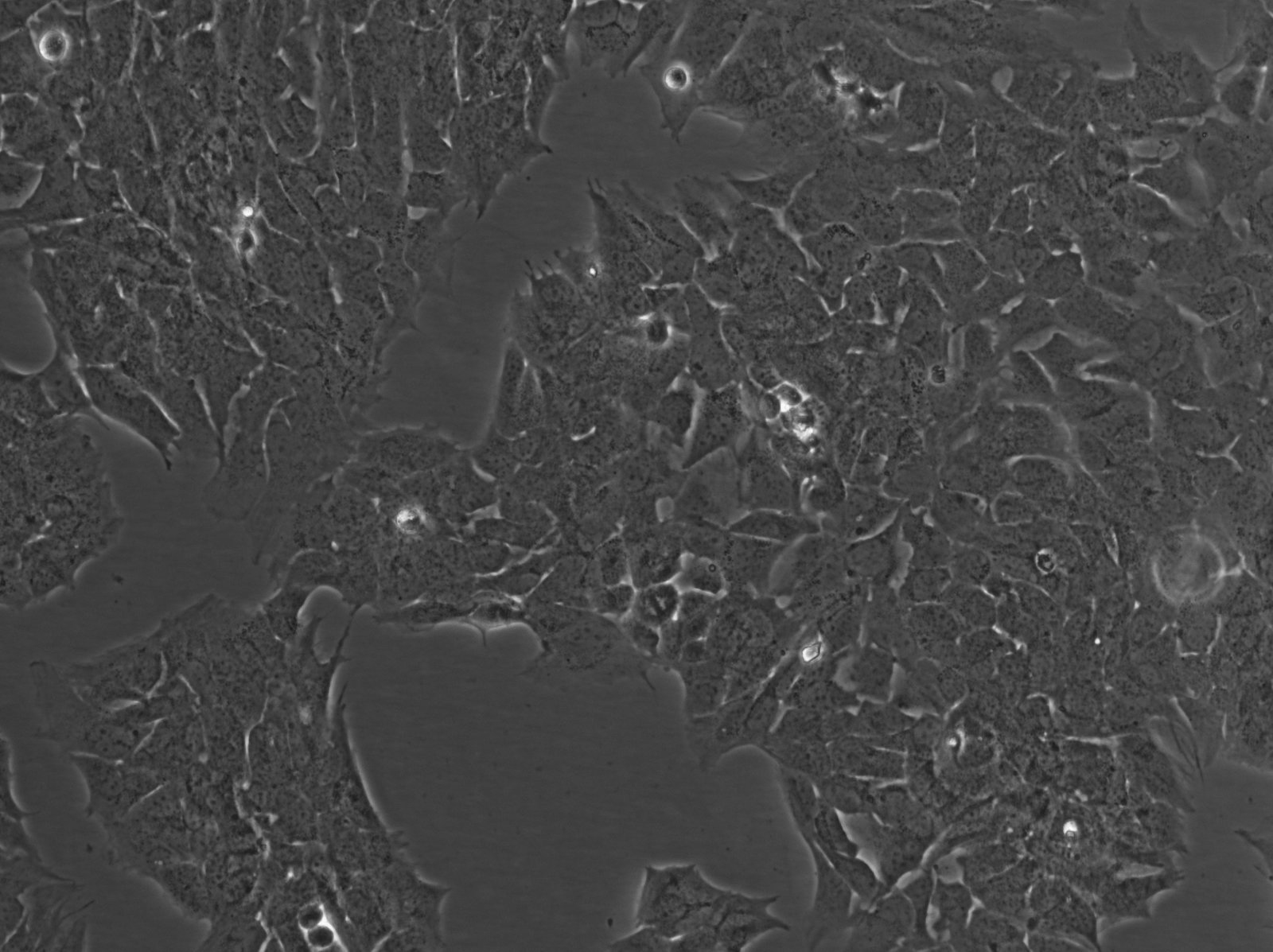

GT1-7 Cells
| Unit |
3 x 10^6 cells/ml |
|---|---|
| Cell Type |
Immortalized Cells |
| Tissue Type |
Mouse cell lines |
| Organism |
Mouse |
| Donor History | |
| Growth Properties |
Adherent |
| Growth Conditions |
Culture medium: DMEM ,w: 4.5 g/L Glucose ,w: 4 mM L-Glutamine ,w: 3.7 g/L NaHCO3 ,w: 1.0 mM Sodium pyruvate (Cytion article number 820300a). Supplements: Supplement the medium with 10% FBS. Dissociation reagent: Accutase. Freeze medium: As a cryopreservation medium ,we use complete growth medium (including FBS) + 10% DMSO for adequate post-thaw viability ,or CM-1 (Cytion catalog number 800100) ,which includes optimized osmoprotectants and metabolic stabilizers to enhance recovery and reduce cryo-induced stress. Incubation atmosphere: 37°C ,5% CO2 ,humidified atmosphere. |
| Immortalization Method | |
| Full Information |

GT1-7 is a clonal subline of immortalized mouse hypothalamic neurons that synthesize and secrete gonadotropin-releasing hormone (GnRH), also known as luteinizing hormone-releasing hormone (LHRH). These cells were developed through genetically targeted tumorigenesis using a transgenic mouse model in which the SV40 large T-antigen was expressed under the control of the GnRH gene promoter. This strategy resulted in hypothalamic tumors from which several GnRH-secreting cell lines were derived, including GT1-1, GT1-3, and GT1-7. GT1-7 cells display a differentiated neuronal phenotype, including the expression of neuron-specific markers such as neurofilament proteins, neuron-specific enolase, synaptic vesicle-associated proteins (VAMP-2, SNAP-25), and chromogranin B. They do not express glial markers such as GFAP or myelin proteins, confirming their neuronal identity.
Functionally, GT1-7 cells express endogenous GnRH mRNA and secrete GnRH in an episodic pattern. They possess the full processing machinery to convert pro-GnRH into mature, bioactive GnRH, including the required endopeptidases, carboxypeptidases, and amidating enzymes. These cells also secrete GnRH-associated peptide (GAP), a by-product of pro-GnRH processing. Biochemical characterization has revealed multiple molecular forms of both pro-GnRH and mature GnRH within GT1-7 cells and in the culture medium, indicating active post-translational processing. The GnRH secreted by GT1-7 is biologically active, capable of stimulating LH release from anterior pituitary cells in vitro.
GT1-7 cells exhibit low migratory activity in vitro, contrasting with other GnRH cell lines such as GN11, which are derived from more developmentally immature, migratory GnRH neurons. GT1-7 cells are considered representative of post-migratory, hypothalamic GnRH neurons and form tightly connected, neurite-linked colonies in culture. Their lack of motility, coupled with mature neuronal traits and responsiveness to regulatory factors, makes them a powerful model for studying gene regulation, developmental control, and secretory physiology of hypothalamic GnRH neurons.
Společnost Cytion vznikla v roce 2004 v německém Heidelbergu s jasným vědeckým posláním: dodávat ověřené lidské a zvířecí buněčné linie bez kontaminace, připravené za přísně kontrolovaných laboratorních podmínek.
Postupně se vypracovala ve spolehlivou buněčnou banku, která slouží akademickým laboratořím, biotechnologickým firmám i farmaceutickým výzkumným týmům po celém světě. Klade přitom důraz na reprodukovatelnost výsledků, přísnou kontrolu kvality a dlouhodobá partnerství.