Genetika člověka
 Mikrobiologické aplikace
 NGS
 Rapid testy

 PCR plasty
 Pipetovací špičky
 Plasty pro buněčnou kultivaci
 Systém pro dlouhodobé skladování vzorků
 Zkumavky

 Třepačky
 Suché lázně
 Centrifugy
 End Point cyclery
 Real-time PCR cyclery
 Fluorometry
 Spektrofotometry
 Izolátory nukleových kyselin
 Pipetovací roboty
 Biobanking
 Live Cell Imaging

 Jednokanálové
 Multikanálové
 Sérologické pipety
 Jednorázové pipety

 Buněčné kultury
 PCR, qPCR, RT
 Detekce Mycoplasmat
 Reverzní transkripce

 Alergie
 Intolerance
 Elisa
 Imunologické analyzátory
 Veterinární imunologie
 Alergie u zvířat
 Intolerance u zvířat

 Čtečky identifikačních čipů
 Termočipy
 Biochemie
 Imunoanalýza


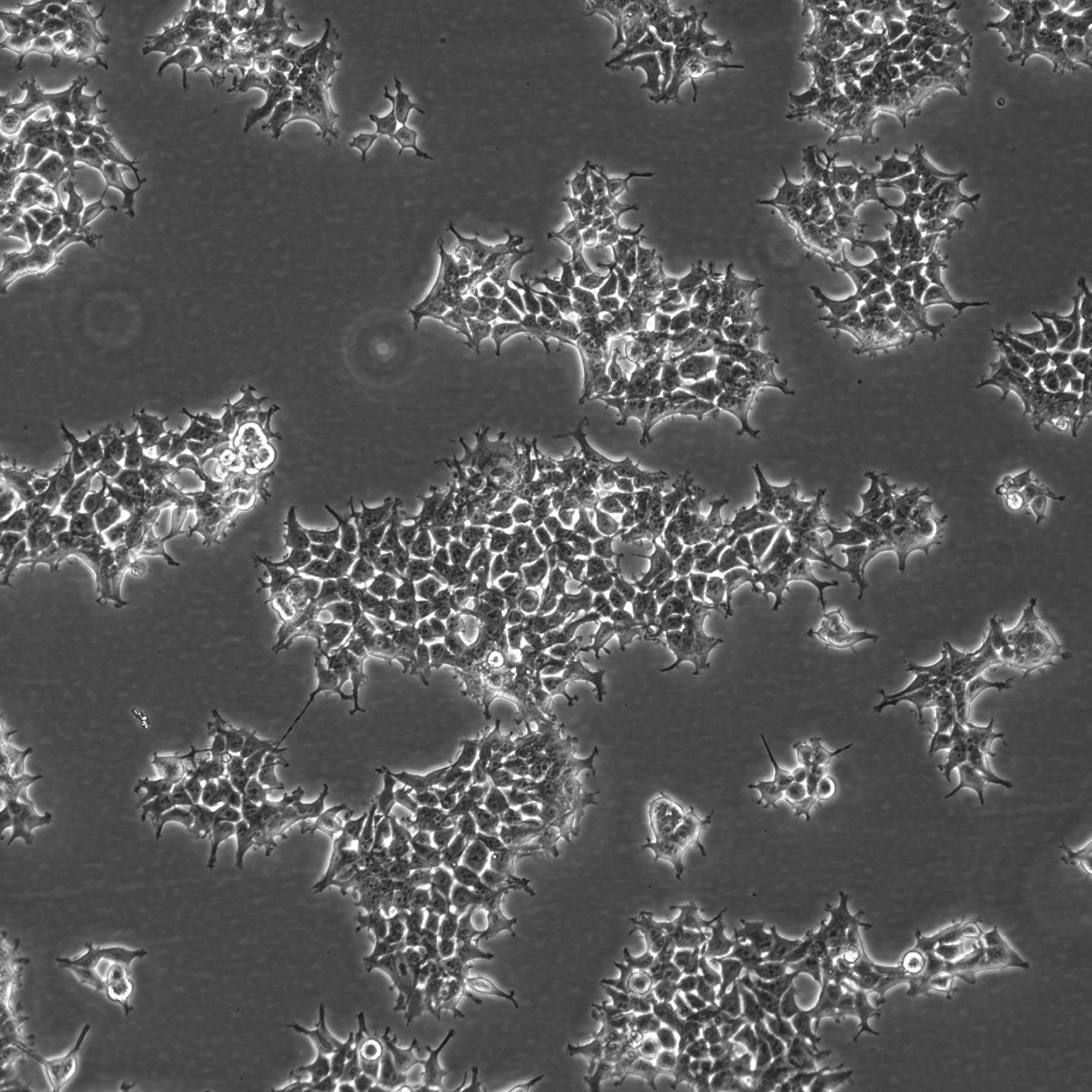

PLAT-E Cells
| Unit |
3 x 10^6 cells/ml |
|---|---|
| Cell Type |
Stable (KO/Expressing) Cells |
| Tissue Type |
Kidney cancer cell lines |
| Organism |
Human |
| Donor History | |
| Growth Properties |
Adherent |
| Growth Conditions |
Culture medium: RPMI 1640 ,w: 2.0 mM stable Glutamine ,w: 2.0 g/L NaHCO3 (Cytion article number 820700a). Supplements: Supplement the medium with 10% FBS. Dissociation reagent: Accutase. Seeding density: 1 to 4 x 10⁴ cells/cm². Freeze medium: As a cryopreservation medium ,we use complete growth medium (including FBS) + 10% DMSO for adequate post-thaw viability ,or CM-1 (Cytion catalog number 800100) ,which includes optimized osmoprotectants and metabolic stabilizers to enhance recovery and reduce cryo-induced stress. Incubation atmosphere: 37°C ,5% CO2 ,humidified atmosphere. |
| Immortalization Method | |
| Full Information |

Plat-E (Platinum-E) is a retrovirus packaging cell line engineered from the human embryonic kidney 293T cell background. It was developed to provide a stable and efficient system for transient production of high-titer, ecotropic retroviruses. The cell line was constructed using novel packaging constructs in which the expression of viral structural genes – gag-pol and env – is driven by the human EF1α promoter, which is substantially more potent in 293T cells than the conventional MuLV long terminal repeat (LTR) promoter. This design ensures robust transcriptional activity and supports high-level production of viral components necessary for efficient retrovirus assembly and packaging.
Plat-E cells were generated through sequential stable transfection of pEnv-IRES-puror and pGag-pol-IRES-bsr constructs, which link the viral genes to antibiotic resistance markers via internal ribosome entry sites (IRES). This configuration guarantees that only cells expressing the essential viral genes also gain antibiotic resistance, allowing for selection of high-expressing subclones. The resulting Plat-E line consistently produces retroviruses with titers up to 1 × 10⁷ infectious units per milliliter for at least four months when cultured under dual selection with puromycin and blasticidin. Northern blot, reverse transcriptase activity, and flow cytometry analyses confirmed that Plat-E exhibits significantly higher gag-pol and env expression than predecessor packaging lines such as Bosc23 and Phoenix-E.
Plat-E’s architecture minimizes the risk of generating replication-competent retrovirus (RCR) by limiting the packaging constructs to only the necessary coding regions of the viral structural genes and separating them onto different plasmids. This design requires at least three recombination events to produce RCR, thereby enhancing biosafety. Plat-E has proven useful in gene transfer applications, including efficient transduction of primary cells such as T cells and mast cells. Its performance and long-term stability make it a reliable platform for retroviral vector production in both basic research and preclinical gene therapy development.
Společnost Cytion vznikla v roce 2004 v německém Heidelbergu s jasným vědeckým posláním: dodávat ověřené lidské a zvířecí buněčné linie bez kontaminace, připravené za přísně kontrolovaných laboratorních podmínek.
Postupně se vypracovala ve spolehlivou buněčnou banku, která slouží akademickým laboratořím, biotechnologickým firmám i farmaceutickým výzkumným týmům po celém světě. Klade přitom důraz na reprodukovatelnost výsledků, přísnou kontrolu kvality a dlouhodobá partnerství.