
 Genetika člověka
 Mikrobiologické aplikace
 NGS
NGS Rapid testy
 PCR plasty
 Pipetovací špičky
 Plasty pro buněčnou kultivaci
 Systém pro dlouhodobé skladování vzorků
 Zkumavky
 Třepačky
 Suché lázně
 Centrifugy
 End Point cyclery
 Real-time PCR cyclery
 Fluorometry
 Spektrofotometry
 Izolátory nukleových kyselin
 Pipetovací roboty
 Biobanking
 Live Cell Imaging
 Jednokanálové
 Multikanálové
 Sérologické pipety
 Jednorázové pipety
 Buněčné kultury
 PCR, qPCR, RT
 Detekce Mycoplasmat
 Reverzní transkripce
 Alergie
 Intolerance
 Elisa
Elisa Imunologické analyzátory
 Veterinární imunologie
 Alergie u zvířat
 Intolerance u zvířat
 Biochemie
 Imunoanalýza

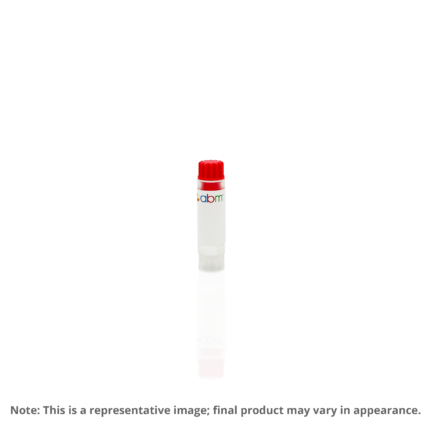
FBXW11 CRISPR Knockout Hep G2 Cell Line – T1-5
| Unit |
1×10⁶ cells / 1 ml |
|---|---|
| Cell Type |
Stable (KO/Expressing) Cells |
| Tissue Type |
Liver |
| Organism |
Human (H. sapiens) |
| Donor History |
Adherent |
| Growth Properties |
Adherent |
| Growth Conditions |
PriCoat™ T25 Flasks (G299) or Applied Cell Extracellular Matrix (G422) are recommended for optimal cell culture. Dulbecco's Modified Eagle Medium (DMEM) ,High Glucose (TM500) + 10% FBS + 1% Penicillin/Streptomycin Solution (G255) ,37.0°C ,5% CO₂. 1.0 µg/ml Puromycin (G264) for selection. Note: Selection drugs should be added to the culture medium after the first passage to ensure cells have recovered from freeze-thaw conditions. |
| Immortalization Method | |
| Full Information |
This Hep G2 parental cell line features a stable knockout of FBXW11 – involved in the ubiquitin-proteasome system, influencing protein degradation and playing roles in cell cycle control, signal transduction, and apoptosis – mediated through CRISPR/Cas9 genome editing technology. This knockout allows for detailed exploration of FBXW11’s role in hepatocellular function and carcinogenesis, providing insights into how its absence affects cell proliferation, survival, and drug responses. Such a model is invaluable for studying liver metabolism and oncology, offering a controlled environment to test potential therapeutic targets and the efficacy of drugs that interact with cellular protein regulation pathways. The T1-5 designation indicates a specific clone or variant within this engineered line, ensuring consistent and reproducible results in research focused on liver cancer and related metabolic disorders.