Genetika člověka
 Mikrobiologické aplikace
 NGS
 Rapid testy

 PCR plasty
 Pipetovací špičky
 Plasty pro buněčnou kultivaci
 Systém pro dlouhodobé skladování vzorků
 Zkumavky

 Třepačky
 Suché lázně
 Centrifugy
 End Point cyclery
 Real-time PCR cyclery
 Fluorometry
 Spektrofotometry
 Izolátory nukleových kyselin
 Pipetovací roboty
 Biobanking
 Live Cell Imaging

 Jednokanálové
 Multikanálové
 Sérologické pipety
 Jednorázové pipety

 Buněčné kultury
 PCR, qPCR, RT
 Detekce Mycoplasmat
 Reverzní transkripce

 Alergie
 Intolerance
 Elisa
 Imunologické analyzátory
 Veterinární imunologie
 Alergie u zvířat
 Intolerance u zvířat

 Čtečky identifikačních čipů
 Termočipy
 Biochemie
 Imunoanalýza


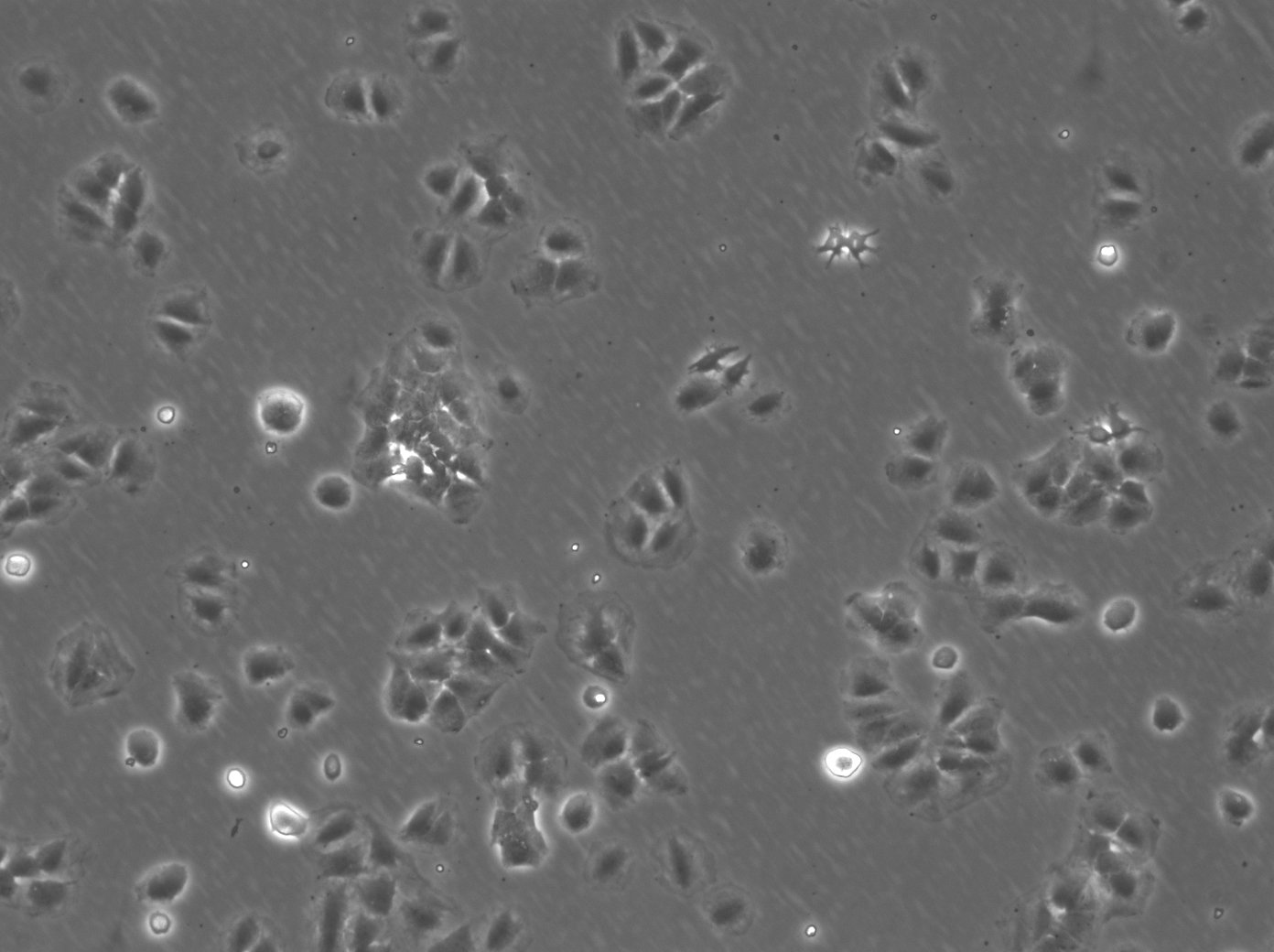

FRTL-5 Cells
| Unit |
3 x 10^6 cells/ml |
|---|---|
| Cell Type |
Immortalized Cells |
| Tissue Type |
Rat cell lines |
| Organism |
Rat |
| Donor History | |
| Growth Properties |
Adherent |
| Growth Conditions |
Culture medium: Ham's F12 ,w: 1.0 mM stable Glutamine ,w: 1.0 mM Sodium pyruvate ,w: 1.1 g/L NaHCO3 (Cytion article number 820600a). Supplements: Supplement the medium with 5% FBS ,10 mg/L Insulin ,5 mg/L Transferrin ,50 microgram/L Hydrocortison ,10 microgram/L Somatostatin ,10 microgram/L Gly-His-Lsy-acetate ,0.0165 microgram/mL bovine TSH (catalog number T1614 from Scripps Laboratories) – Add the required TSH just before use and sterile filter into the medium. Dissociation reagent: Accutase. Freeze medium: As a cryopreservation medium ,we use complete growth medium (including FBS) + 10% DMSO for adequate post-thaw viability ,or CM-1 (Cytion catalog number 800100) ,which includes optimized osmoprotectants and metabolic stabilizers to enhance recovery and reduce cryo-induced stress. Incubation atmosphere: 37°C ,5% CO2 ,humidified atmosphere. |
| Immortalization Method | |
| Full Information |

The FRTL-5 cell line, derived from normal rat thyroid follicular cells, plays a significant role in thyroid research, particularly focusing on the physiology and pathophysiology of the gland. These cells are characterized by their dependence on thyroid-stimulating hormone (TSH) for proliferation, making them an essential model for studying TSH regulation and thyroid hormone biosynthesis. Importantly, FRTL-5 cells retain the capability to uptake iodide, which is crucial for investigating iodide metabolism and the production of thyroid hormones. This feature underscores their utility in exploring thyroid function and dysfunctions.
In addition to their fundamental roles in thyroid hormone studies, FRTL-5 cells have been instrumental in examining the influence of growth factors, cytokines, and oncogenes on thyroid biology. Their consistent expression of thyroid-specific markers, including thyroglobulin and thyroperoxidase, makes them valuable for molecular and cellular biology studies aimed at understanding thyroid-related diseases. As such, FRTL-5 cells are frequently utilized in research addressing thyroid cancer, autoimmune thyroid disease, and other related disorders, contributing significant insights into the cellular mechanisms driving these conditions.
Moreover, the FRTL-5 cell line has been critical in research related to autoimmune thyroid disorders such as Graves’ disease. It has been used to assay the activity of immunoglobulins in human samples, offering a robust and reproducible model for studying autoimmune interactions with thyroid cells. The three-dimensional growth pattern of these cells provides a more physiologically relevant environment for examining cell behavior and intercellular interactions in thyroid biology. These attributes, combined with decades of research leveraging FRTL-5 cells, underscore their importance in advancing our understanding of thyroid health and disease.
Společnost Cytion vznikla v roce 2004 v německém Heidelbergu s jasným vědeckým posláním: dodávat ověřené lidské a zvířecí buněčné linie bez kontaminace, připravené za přísně kontrolovaných laboratorních podmínek.
Postupně se vypracovala ve spolehlivou buněčnou banku, která slouží akademickým laboratořím, biotechnologickým firmám i farmaceutickým výzkumným týmům po celém světě. Klade přitom důraz na reprodukovatelnost výsledků, přísnou kontrolu kvality a dlouhodobá partnerství.