Genetika člověka
 Mikrobiologické aplikace
 NGS
 Rapid testy

 PCR plasty
 Pipetovací špičky
 Plasty pro buněčnou kultivaci
 Systém pro dlouhodobé skladování vzorků
 Zkumavky

 Třepačky
 Suché lázně
 Centrifugy
 End Point cyclery
 Real-time PCR cyclery
 Fluorometry
 Spektrofotometry
 Izolátory nukleových kyselin
 Pipetovací roboty
 Biobanking
 Live Cell Imaging

 Jednokanálové
 Multikanálové
 Sérologické pipety
 Jednorázové pipety

 Buněčné kultury
 PCR, qPCR, RT
 Detekce Mycoplasmat
 Reverzní transkripce

 Alergie
 Intolerance
 Elisa
 Imunologické analyzátory
 Veterinární imunologie
 Alergie u zvířat
 Intolerance u zvířat

 Čtečky identifikačních čipů
 Termočipy
 Biochemie
 Imunoanalýza


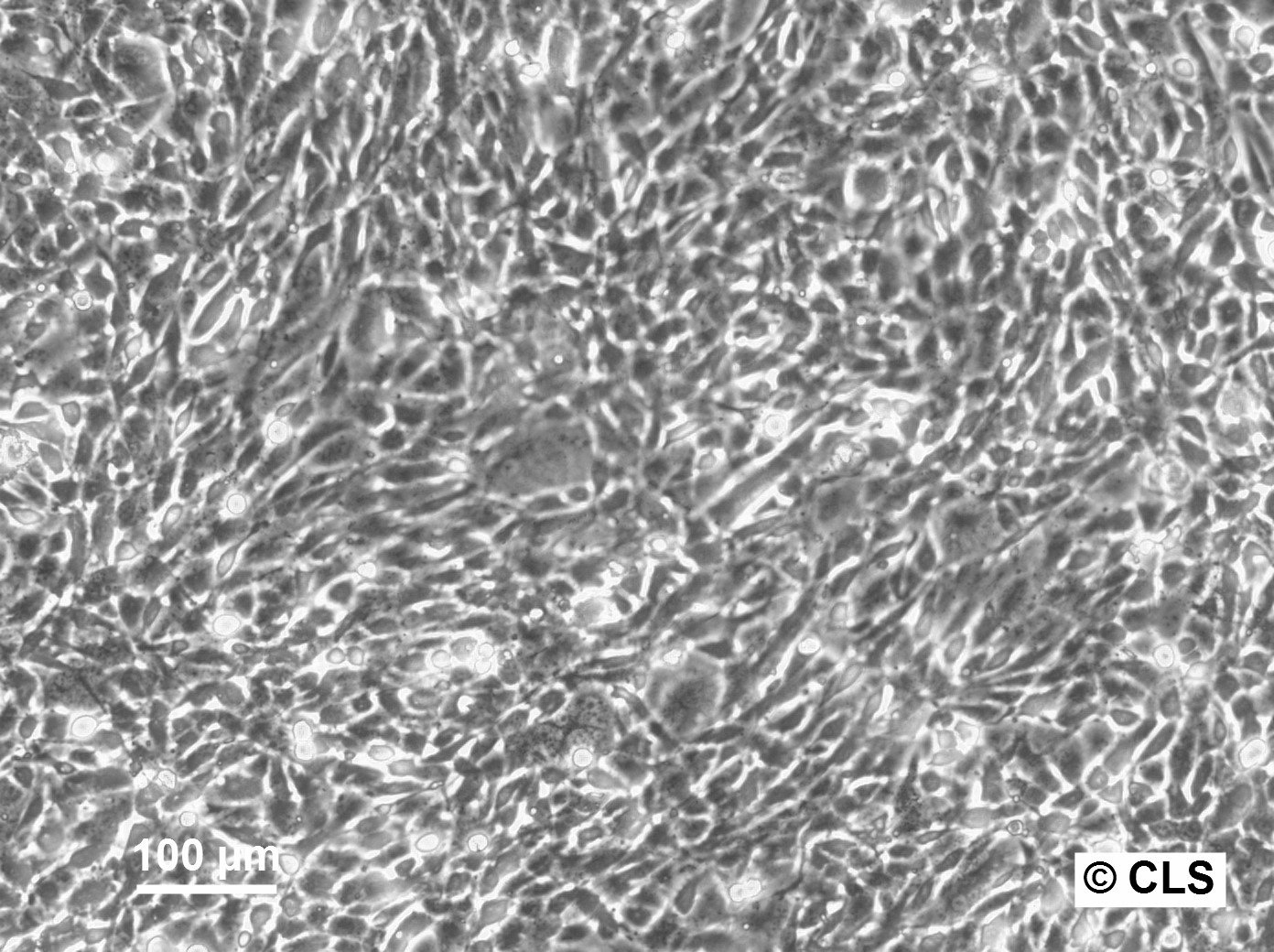

FS-C3H Cells
| Unit |
3 x 10^6 cells/ml |
|---|---|
| Cell Type |
Tumor Cells |
| Tissue Type |
Mouse cell lines |
| Organism |
Mouse |
| Donor History |
Fibrosarcoma |
| Growth Properties |
Adherent |
| Growth Conditions |
Culture medium: DMEM ,w: 4.5 g/L Glucose ,w: 4 mM L-Glutamine ,w: 3.7 g/L NaHCO3 ,w: 1.0 mM Sodium pyruvate (Cytion article number 820300a). Supplements: Supplement the medium with 10% FBS. Dissociation reagent: Accutase. Seeding density: 2 x 10⁴ cells/cm². Freeze medium: As a cryopreservation medium ,we use complete growth medium (including FBS) + 10% DMSO for adequate post-thaw viability ,or CM-1 (Cytion catalog number 800100) ,which includes optimized osmoprotectants and metabolic stabilizers to enhance recovery and reduce cryo-induced stress. Incubation atmosphere: 37°C ,5% CO2 ,humidified atmosphere. |
| Immortalization Method | |
| Full Information |

The FS-C3H cell line, derived from the C3H/HeJ mouse strain, plays a pivotal role in studying host responses to endotoxins, particularly in the context of cancer research. This strain is notable for its resistance to endotoxin due to a specific insensitivity to lipopolysaccharide (LPS), a major component of bacterial endotoxin. This characteristic has made FS-C3H an invaluable model for dissecting the biochemical and genetic pathways involved in immune response regulation. Researchers have extensively used this cell line to examine the dynamics of B lymphocytes and macrophages, focusing on their unique non-responsiveness to LPS, which contrasts with typical immune cell reactions to such stimuli.
The non-responsiveness of FS-C3H cells to LPS is attributed to the absence or alteration of a crucial receptor responsible for LPS signal transduction. Studies have shown that despite the non-reactivity to LPS, these cells can be activated through alternative pathways such as protein kinase C (PKC) and tyrosine kinase signaling mechanisms, similar to those activated in LPS-responsive cells. The interaction and regulatory roles of these kinases in signaling pathways highlight complex intra-cellular mechanisms, suggesting that the PKC and tyrosine kinase pathways could compensate for the defective LPS signaling. This observation opens avenues for exploring how tyrosine kinase-modulated phosphorylation affects overall cellular responses in these mice.
Continued research on FS-C3H cells is critical to understanding the molecular basis of their hyporesponsiveness to LPS, potentially linked to a genetic defect in the Lpsn gene. By delving into the phosphorylation profiles of these cells compared to LPS responders, scientists aim to unravel the specific molecular defects that lead to altered gene activation and proliferation responses. The isolation and characterization of the gene product responsible for LPS interaction could provide deeper insights into immune system dysfunctions and pave the way for novel therapeutic approaches in treating related immune and inflammatory disorders.
Společnost Cytion vznikla v roce 2004 v německém Heidelbergu s jasným vědeckým posláním: dodávat ověřené lidské a zvířecí buněčné linie bez kontaminace, připravené za přísně kontrolovaných laboratorních podmínek.
Postupně se vypracovala ve spolehlivou buněčnou banku, která slouží akademickým laboratořím, biotechnologickým firmám i farmaceutickým výzkumným týmům po celém světě. Klade přitom důraz na reprodukovatelnost výsledků, přísnou kontrolu kvality a dlouhodobá partnerství.