
 Genetika člověka
 Mikrobiologické aplikace
 NGS
 Rapid testy

 PCR plasty
 Pipetovací špičky
 Plasty pro buněčnou kultivaci
 Systém pro dlouhodobé skladování vzorků
 Zkumavky

 Třepačky
 Suché lázně
 Centrifugy
 End Point cyclery
 Real-time PCR cyclery
 Fluorometry
 Spektrofotometry
 Izolátory nukleových kyselin
 Pipetovací roboty
 Biobanking
 Live Cell Imaging

 Jednokanálové
 Multikanálové
 Sérologické pipety
 Jednorázové pipety

 Buněčné kultury
 PCR, qPCR, RT
 Detekce Mycoplasmat
 Reverzní transkripce

 Alergie
 Intolerance
 Elisa
 Imunologické analyzátory
 Veterinární imunologie
 Alergie u zvířat
 Intolerance u zvířat

 Čtečky identifikačních čipů
 Termočipy
 Biochemie
 Imunoanalýza


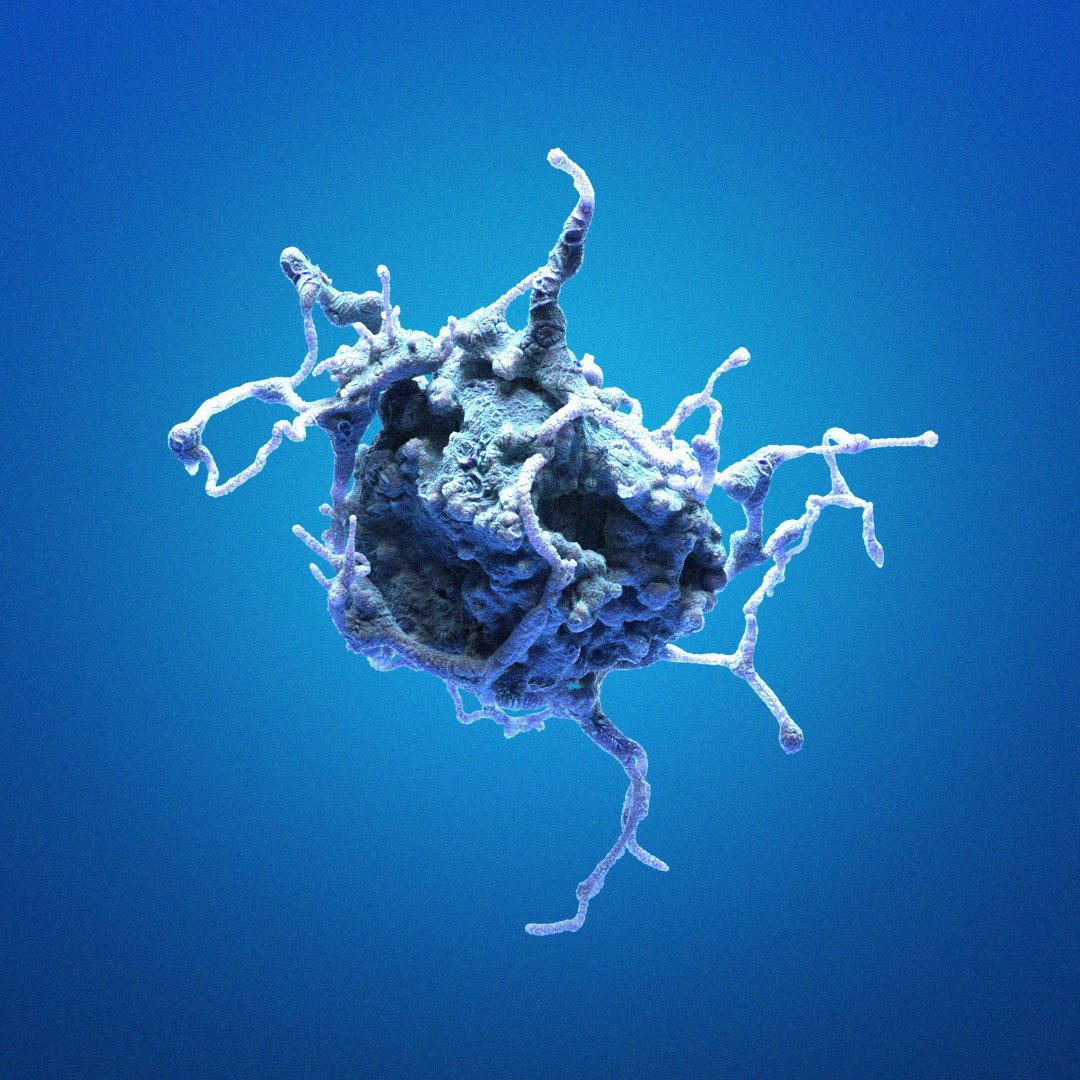

HROC300 T2 M1 Cells
| Unit |
3 x 10^6 cells/ml |
|---|---|
| Cell Type |
Tumor Cells |
| Tissue Type |
HROC cell lines ,Intestine cancer cell lines |
| Organism |
Human |
| Donor History |
Adenocarcinoma ,TNM stage T4aN1bM1R2L0V1 ,grading G2 ,Lk(n) + 3 ,∑ Lk(n) 22 |
| Growth Properties |
Adherent |
| Growth Conditions |
Culture medium: DMEM:Ham's F12 (1:1) ,w: 3.1 g/L Glucose ,w: 2.5 mM L-Glutamine ,w: 15 mM HEPES ,w: 0.5 mM Sodium pyruvate ,w: 1.2 g/L NaHCO3 (Cytion article number 820400a). Supplements: Supplement the medium with 10% FBS. Dissociation reagent: Accutase. Freeze medium: As a cryopreservation medium ,we use complete growth medium (including FBS) + 10% DMSO for adequate post-thaw viability ,or CM-1 (Cytion catalog number 800100) ,which includes optimized osmoprotectants and metabolic stabilizers to enhance recovery and reduce cryo-induced stress. Incubation atmosphere: 37°C ,5% CO2 ,humidified atmosphere. |
| Immortalization Method | |
| Full Information |

HROC300 T2 M1 is a human colorectal carcinoma cell line derived from a primary tumor specimen resected from an adult patient within the HROC (Hansestadt Rostock Colorectal Cancer) model collection. The designation “T2” indicates that the tumor was obtained at a second surgical time point, while “M1” denotes the corresponding in vitro model established from this specimen. The HROC platform integrates comprehensive biobanking with standardized generation of patient-derived xenografts (PDX) and permanent low-passage cell lines, enabling molecularly annotated tumor models from consecutive colorectal cancer cases.
Establishment of HROC300 T2 M1 followed a standardized protocol involving mechanical dissociation of freshly resected tumor tissue, filtration to obtain single-cell suspensions, and seeding onto collagen-coated culture plates in defined tumor cell culture medium supplemented with glutamine, antibiotics, and antimycotics. Across the HROC cohort, permanent primary cell lines were generated from approximately 13% of attempted colorectal carcinoma samples, with successful establishment correlating in univariate analysis with higher tumor grading and advanced nodal status. Multivariate analysis identified nodal involvement as an independent predictor of successful in vitro model establishment. These findings reflect the enrichment of biologically aggressive phenotypes among successfully adapted cultures.
Within the broader HROC collection, models encompass all major molecular subtypes of colorectal carcinoma, including chromosomal instability (CIN), CpG island methylator phenotype (CIMP), microsatellite stable (MSS), and microsatellite instability-high (MSI-H) tumors, as well as diverse mutational backgrounds affecting genes such as KRAS, BRAF, TP53, APC, and PIK3CA. HROC300 T2 M1 was generated in this rigorously annotated context, allowing integration with matched clinicopathological data and, where available, corresponding PDX material. As a low-passage, patient-derived colorectal carcinoma model, HROC300 T2 M1 is suited for studies of tumor biology, genotype-phenotype associations, and preclinical therapeutic testing within a precision oncology framework.
Společnost Cytion vznikla v roce 2004 v německém Heidelbergu s jasným vědeckým posláním: dodávat ověřené lidské a zvířecí buněčné linie bez kontaminace, připravené za přísně kontrolovaných laboratorních podmínek.
Postupně se vypracovala ve spolehlivou buněčnou banku, která slouží akademickým laboratořím, biotechnologickým firmám i farmaceutickým výzkumným týmům po celém světě. Klade přitom důraz na reprodukovatelnost výsledků, přísnou kontrolu kvality a dlouhodobá partnerství.