
 Genetika člověka
 Mikrobiologické aplikace
 NGS
 Rapid testy

 PCR plasty
 Pipetovací špičky
 Plasty pro buněčnou kultivaci
 Systém pro dlouhodobé skladování vzorků
 Zkumavky

 Třepačky
 Suché lázně
 Centrifugy
 End Point cyclery
 Real-time PCR cyclery
 Fluorometry
 Spektrofotometry
 Izolátory nukleových kyselin
 Pipetovací roboty
 Biobanking
 Live Cell Imaging

 Jednokanálové
 Multikanálové
 Sérologické pipety
 Jednorázové pipety

 Buněčné kultury
 PCR, qPCR, RT
 Detekce Mycoplasmat
 Reverzní transkripce

 Alergie
 Intolerance
 Elisa
 Imunologické analyzátory
 Veterinární imunologie
 Alergie u zvířat
 Intolerance u zvířat

 Čtečky identifikačních čipů
 Termočipy
 Biochemie
 Imunoanalýza


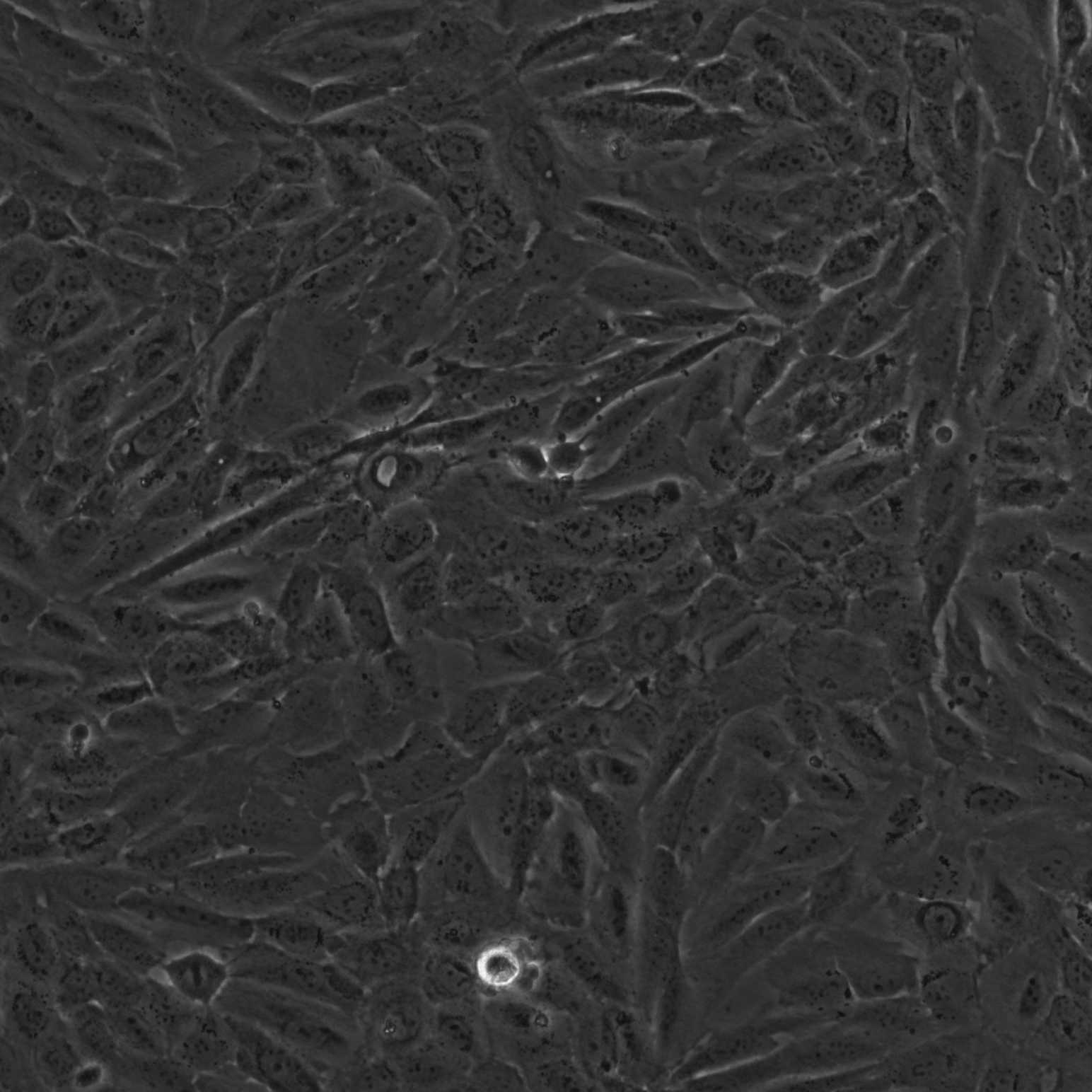

Human Sebocyte
| Unit |
3 x 10^6 cells/ml |
|---|---|
| Cell Type |
Primary Cells |
| Tissue Type |
Primary Cells |
| Organism |
Human |
| Donor History | |
| Growth Properties |
adherent |
| Growth Conditions |
Culture medium: Sebocyte growth Medium. Dissociation reagent: Accutase. Freeze medium: As a cryopreservation medium ,we use complete growth medium (including FBS) + 10% DMSO for adequate post-thaw viability ,or CM-1 (Cytion catalog number 800100) ,which includes optimized osmoprotectants and metabolic stabilizers to enhance recovery and reduce cryo-induced stress. Incubation atmosphere: 37°C ,5% CO2 ,humidified atmosphere. |
| Immortalization Method | |
| Full Information |

Human sebocyte cells are specialized epithelial cells derived from the sebaceous glands of the skin, which are holocrine glands associated with hair follicles and distributed throughout most cutaneous surfaces. Sebocytes are responsible for the synthesis, accumulation, and secretion of sebum, a complex mixture of lipids including triglycerides, wax esters, squalene, cholesterol esters, and free fatty acids. In vitro human sebocyte models are typically established either as primary cultures isolated from facial or scalp sebaceous glands or as immortalized sebocyte lines generated through defined genetic modifications to enable extended proliferation while retaining lipid-producing capacity. Phenotypically, human sebocytes display a characteristic differentiation program marked by progressive intracellular lipid droplet accumulation and enlargement of the cytoplasm prior to terminal holocrine secretion. They express epithelial and sebocyte-associated markers such as cytokeratins (e.g., K7, K8, K18), peroxisome proliferator-activated receptors (PPARα and PPARγ), sterol regulatory element-binding proteins (SREBPs), and enzymes involved in lipid biosynthesis including fatty acid synthase (FASN) and stearoyl-CoA desaturase. Sebocyte differentiation and lipogenesis are regulated by androgens, insulin-like growth factor-1 (IGF-1), retinoids, inflammatory cytokines, and Toll-like receptor signaling pathways. These cells also actively participate in innate immunity by producing antimicrobial peptides and pro-inflammatory mediators in response to microbial stimuli such as Cutibacterium acnes. Human sebocyte cell models are widely used in dermatological and cosmetic research to investigate acne pathogenesis, seborrheic dermatitis, androgen signaling, lipid metabolism, inflammatory signaling, and drug responses. They provide a controlled platform for evaluating the effects of hormonal modulation, retinoids, anti-androgens, PPAR agonists, and anti-inflammatory compounds on sebaceous gland biology. When using primary sebocytes, investigators must consider donor variability and limited lifespan, whereas immortalized sebocyte lines offer improved reproducibility but may exhibit altered differentiation kinetics compared to native sebaceous gland tissue.
Společnost Cytion vznikla v roce 2004 v německém Heidelbergu s jasným vědeckým posláním: dodávat ověřené lidské a zvířecí buněčné linie bez kontaminace, připravené za přísně kontrolovaných laboratorních podmínek.
Postupně se vypracovala ve spolehlivou buněčnou banku, která slouží akademickým laboratořím, biotechnologickým firmám i farmaceutickým výzkumným týmům po celém světě. Klade přitom důraz na reprodukovatelnost výsledků, přísnou kontrolu kvality a dlouhodobá partnerství.