
 Genetika člověka
 Mikrobiologické aplikace
 NGS
NGS Rapid testy
 PCR plasty
 Pipetovací špičky
 Plasty pro buněčnou kultivaci
 Systém pro dlouhodobé skladování vzorků
 Zkumavky
 Třepačky
 Suché lázně
 Centrifugy
 End Point cyclery
 Real-time PCR cyclery
 Fluorometry
 Spektrofotometry
 Izolátory nukleových kyselin
 Pipetovací roboty
 Biobanking
 Live Cell Imaging
 Jednokanálové
 Multikanálové
 Sérologické pipety
 Jednorázové pipety
 Buněčné kultury
 PCR, qPCR, RT
 Detekce Mycoplasmat
 Reverzní transkripce
 Alergie
 Intolerance
 Elisa
Elisa Imunologické analyzátory
 Veterinární imunologie
 Alergie u zvířat
 Intolerance u zvířat
 Biochemie
 Imunoanalýza

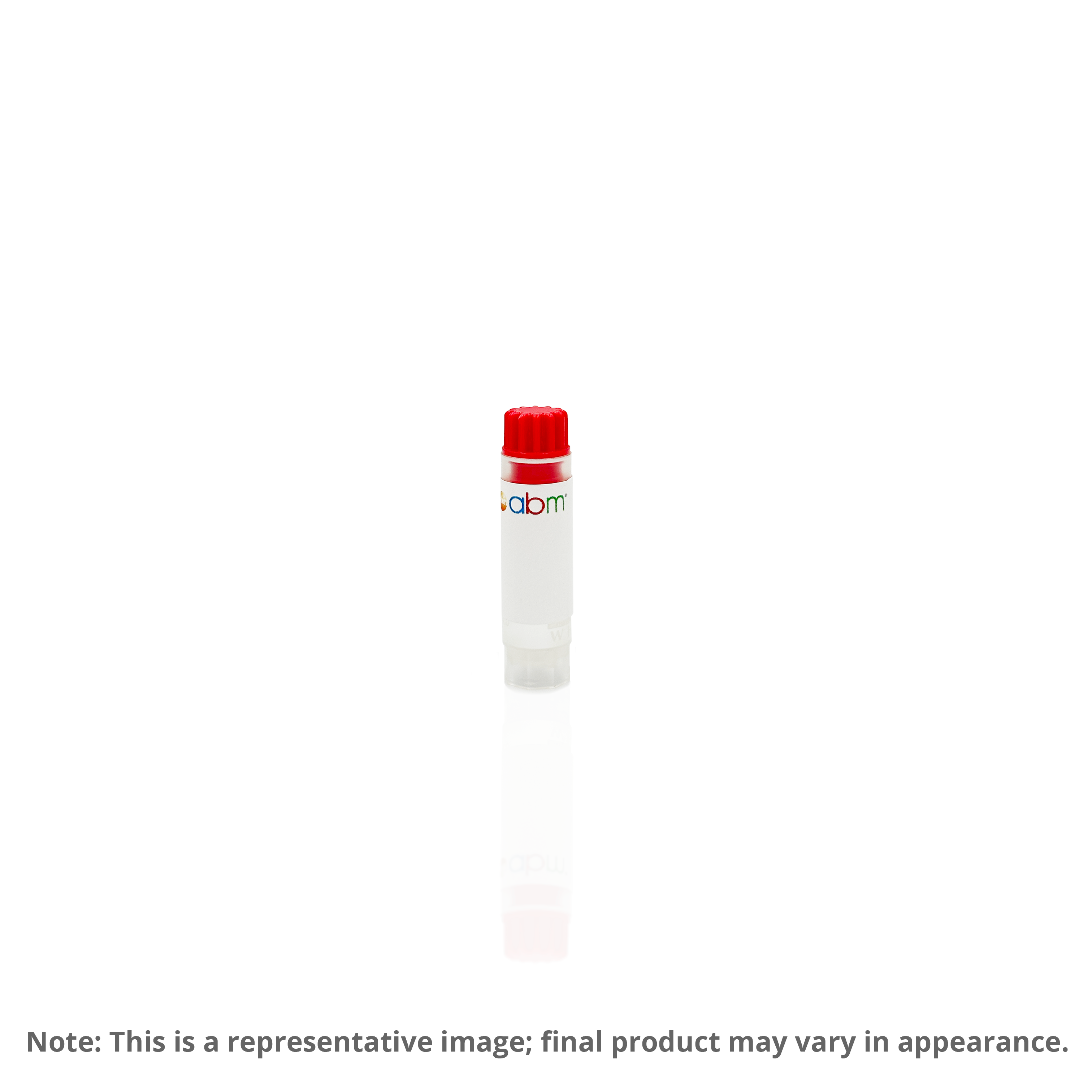

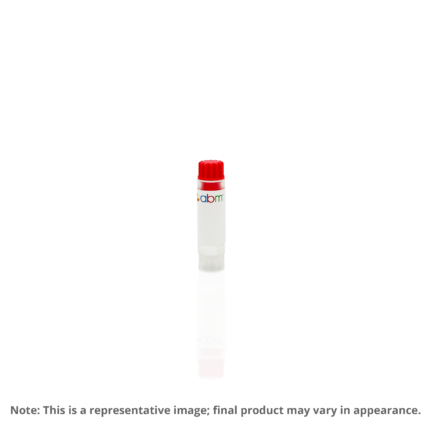
Immortalized Human Dopaminergic Neuronal Precursor Cells (LUHMES)
| Unit |
1×10⁶ cells / 1.0 ml |
|---|---|
| Cell Type |
Immortalized Cells |
| Tissue Type |
Brain |
| Organism |
Human (H. sapiens) |
| Donor History |
8-week-old fetal human ventral mesencephalon |
| Growth Properties |
Adherent ,flat dendritic processes |
| Growth Conditions | |
| Immortalization Method |
Conditional immortalization by tetracyclin-controlled transduction with retrovirus carrying v-myc genes |
| Full Information |
https://www.abmgood.com/immortalized-human-dopaminergic-neuronal-precursor-cells-luhmes.html |

The Immortalized Human Dopaminergic Neuronal Precursor Cells, also known as the Lund Human Mesencephalic (LUHMES) cell line, is a subclone of the tetracycline-controlled, v-myc-overexpressing human mesencephalic-derived cell line MESC2.10. This cell line is unique in that it can be differentiated to acquire a dopaminergic neuron-like phenotype under appropriate growth conditions. LUHMES expresses functional dopamine transporter (DAT), vesicular monoamine transporter (VMAT-2), tyrosine hydroxylase (TH) and the neuronal form of β-III tubulin after differentiation. In addition to retaining dopaminergic neuronal-specific markers, LUHMES also exhibit electrophysiological properties, thus making this cell line a valuable neuronal model for neurodevelopmental studies, disease modelling and neuropharmacology. May take 4 to 5 days for cells to recover in culture.