
 Genetika člověka
 Mikrobiologické aplikace
 NGS
 Rapid testy

 PCR plasty
 Pipetovací špičky
 Plasty pro buněčnou kultivaci
 Systém pro dlouhodobé skladování vzorků
 Zkumavky

 Třepačky
 Suché lázně
 Centrifugy
 End Point cyclery
 Real-time PCR cyclery
 Fluorometry
 Spektrofotometry
 Izolátory nukleových kyselin
 Pipetovací roboty
 Biobanking
 Live Cell Imaging

 Jednokanálové
 Multikanálové
 Sérologické pipety
 Jednorázové pipety

 Buněčné kultury
 PCR, qPCR, RT
 Detekce Mycoplasmat
 Reverzní transkripce

 Alergie
 Intolerance
 Elisa
 Imunologické analyzátory
 Veterinární imunologie
 Alergie u zvířat
 Intolerance u zvířat

 Čtečky identifikačních čipů
 Termočipy
 Biochemie
 Imunoanalýza


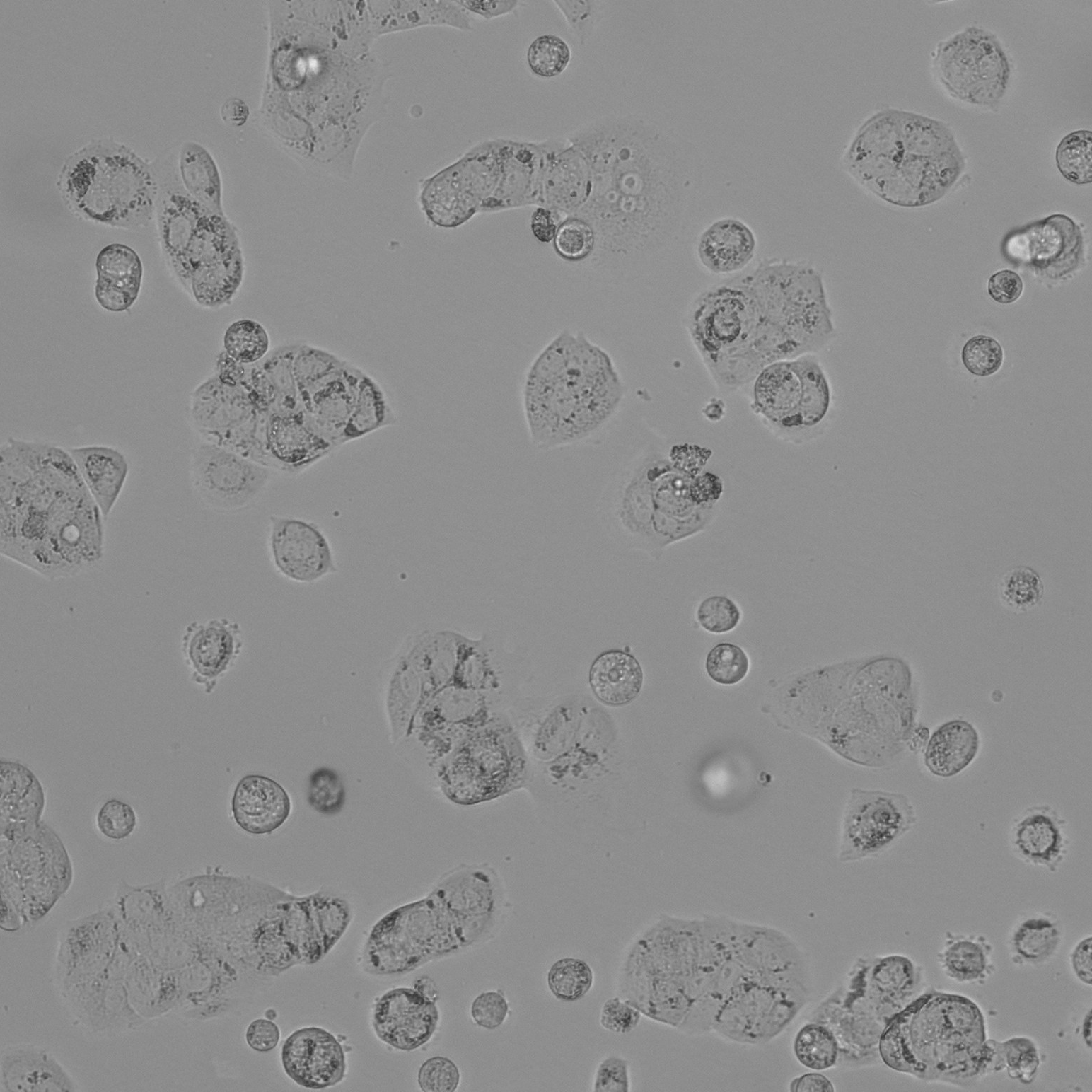

MDA-MB-175-VII Cells
| Unit |
3 x 10^6 cells/ml |
|---|---|
| Cell Type |
Tumor Cells |
| Tissue Type |
Breast cancer cell lines |
| Organism |
Human |
| Donor History |
Invasive breast carcinoma of no special type |
| Growth Properties |
Adherent |
| Growth Conditions |
Culture medium: DMEM:Ham's F12 (1:1) ,w: 3.1 g/L Glucose ,w: 2.5 mM L-Glutamine ,w: 15 mM HEPES ,w: 0.5 mM Sodium pyruvate ,w: 1.2 g/L NaHCO3 (Cytion article number 820400a). Supplements: Supplement the medium with 10% FBS + Insulin (5 microgram/ml). Dissociation reagent: Accutase. Freeze medium: As a cryopreservation medium ,we use complete growth medium (including FBS) + 10% DMSO for adequate post-thaw viability ,or CM-1 (Cytion catalog number 800100) ,which includes optimized osmoprotectants and metabolic stabilizers to enhance recovery and reduce cryo-induced stress. Incubation atmosphere: 37°C ,5% CO2 ,humidified atmosphere. |
| Immortalization Method | |
| Full Information |

MDA-MB-175-VII is a human breast cancer cell line originally derived from the pleural effusion of an adult female patient with infiltrating ductal mammary carcinoma. The cell line is part of a series established from metastatic breast tumors to provide viable, fibroblast-poor epithelial cultures. Specifically, MDA-MB-175 was isolated from six of eight thoracenteses performed on a patient who underwent mastectomy and exhibited recurrent malignant pleural effusions. The tumor cells were consistently viable and cultured successfully across samples, which provided a stable platform for in vitro studies of metastatic breast cancer biology.
MDA-MB-175-VII cells are morphologically epithelial and have a modal chromosome number of approximately 49, reflecting an aneuploid karyotype. These cells exhibit relatively slow growth in vitro but have gained scientific interest due to their unique molecular features, including the expression of neuregulin-1 (NRG1) fusion transcripts. In particular, the NRG1-DOC4 fusion observed in this line leads to constitutive activation of the HER3/HER4 receptor pathway, promoting autocrine signaling and cell proliferation. This molecular characteristic has positioned MDA-MB-175-VII as a rare but critical model for studying autocrine HER-family receptor signaling and its pharmacological targeting in breast cancer .
Further integration into large-scale datasets such as the Cancer Cell Line Encyclopedia (CCLE) has enabled deeper molecular profiling of MDA-MB-175-VII. These datasets include transcriptomic, mutational, and proteomic information that support the classification of the cell line within the luminal subtype of breast cancers, with modest sensitivity to agents targeting HER-family receptors and PI3K signaling pathways. As such, MDA-MB-175-VII serves as a valuable model for preclinical investigations of targeted therapies and the functional consequences of oncogenic gene fusions in breast cancer.
Společnost Cytion vznikla v roce 2004 v německém Heidelbergu s jasným vědeckým posláním: dodávat ověřené lidské a zvířecí buněčné linie bez kontaminace, připravené za přísně kontrolovaných laboratorních podmínek.
Postupně se vypracovala ve spolehlivou buněčnou banku, která slouží akademickým laboratořím, biotechnologickým firmám i farmaceutickým výzkumným týmům po celém světě. Klade přitom důraz na reprodukovatelnost výsledků, přísnou kontrolu kvality a dlouhodobá partnerství.