Genetika člověka
 Mikrobiologické aplikace
 NGS
 Rapid testy

 PCR plasty
 Pipetovací špičky
 Plasty pro buněčnou kultivaci
 Systém pro dlouhodobé skladování vzorků
 Zkumavky

 Třepačky
 Suché lázně
 Centrifugy
 End Point cyclery
 Real-time PCR cyclery
 Fluorometry
 Spektrofotometry
 Izolátory nukleových kyselin
 Pipetovací roboty
 Biobanking
 Live Cell Imaging

 Jednokanálové
 Multikanálové
 Sérologické pipety
 Jednorázové pipety

 Buněčné kultury
 PCR, qPCR, RT
 Detekce Mycoplasmat
 Reverzní transkripce

 Alergie
 Intolerance
 Elisa
 Imunologické analyzátory
 Veterinární imunologie
 Alergie u zvířat
 Intolerance u zvířat

 Čtečky identifikačních čipů
 Termočipy
 Biochemie
 Imunoanalýza


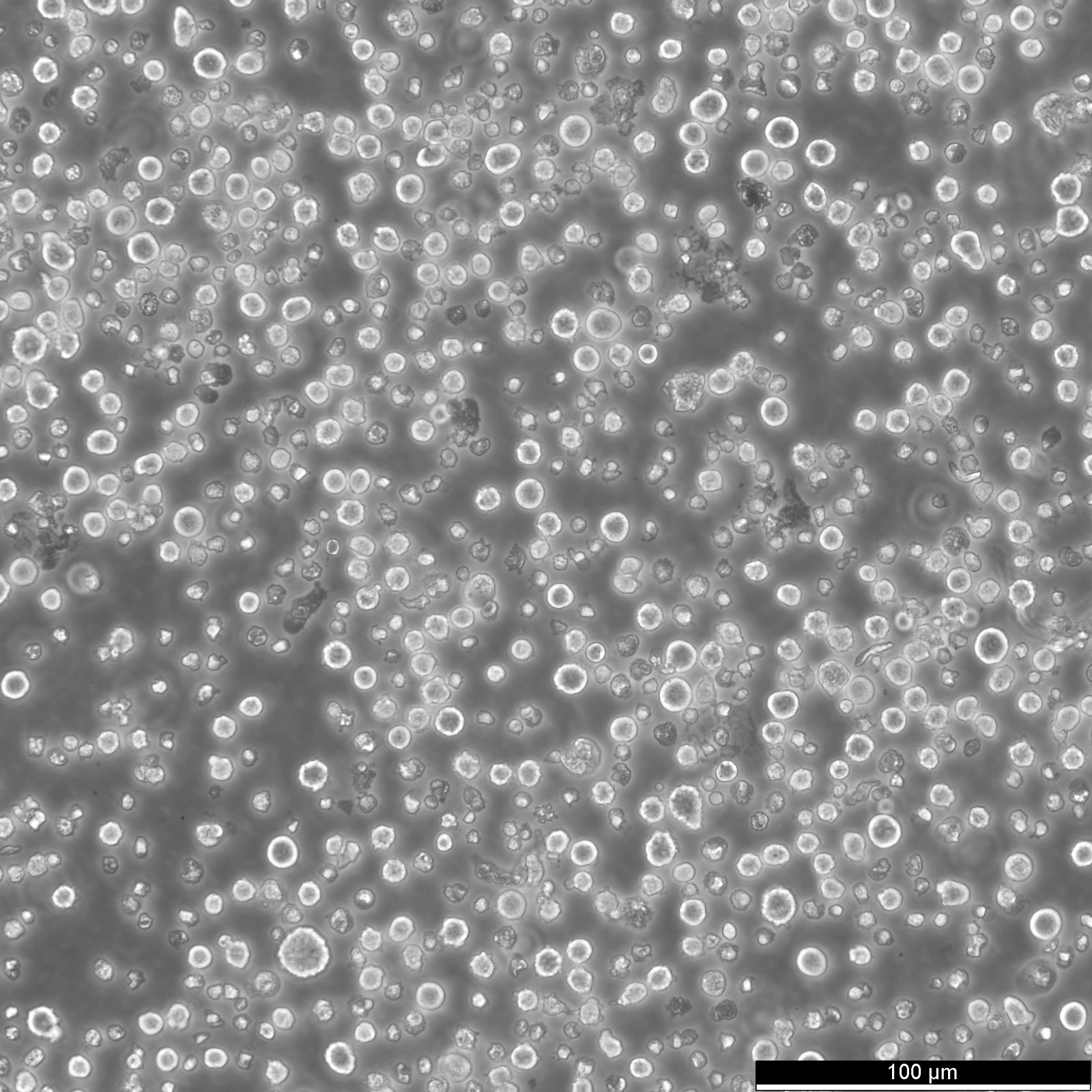

MR1 Cells
| Unit |
5 x 10^6 cells/ml |
|---|---|
| Cell Type |
Immortalized Cells |
| Tissue Type |
Hamster cell lines |
| Organism |
Animal cells |
| Donor History | |
| Growth Properties |
Suspension |
| Growth Conditions |
Culture medium: RPMI 1640 ,w: 2.0 mM stable Glutamine ,w: 2.0 g/L NaHCO3 (Cytion article number 820700a). Supplements: Supplement the medium with 10% FBS ,0.05 mM 2-mercaptoethanol. Freeze medium: As a cryopreservation medium ,we use complete growth medium (including FBS) + 10% DMSO for adequate post-thaw viability ,or CM-1 (Cytion catalog number 800100) ,which includes optimized osmoprotectants and metabolic stabilizers to enhance recovery and reduce cryo-induced stress. Incubation atmosphere: 37°C ,5% CO2 ,humidified atmosphere. |
| Immortalization Method | |
| Full Information |

MR1 is a hybridoma cell line derived from the fusion of spleen cells with NS-1 myeloma cells, following the immunization of animals with mouse T cells, particularly of the Th1 subtype. These cells express immunoglobulin, specifically monoclonal antibodies targeting the mouse CD40 ligand (CD154, also known as gp39 or CD40L). The isotype of the monoclonal antibody produced is IgG. CD154 is a crucial molecule involved in T cell interactions, particularly in the activation of B cells, as its binding to CD40 on B cells is essential for B cell proliferation, differentiation, and immunoglobulin production. This binding also influences T cell costimulation and cytokine production, making CD154 an important target for therapeutic intervention in immune modulation.
MR1-derived antibodies specifically target and block the interaction between CD154 and CD40, which has therapeutic implications in various immune responses. Notably, anti-CD154 antibodies have been used to induce T cell unresponsiveness to organ grafts in transplantation. By blocking the CD154-CD40 interaction, MR1 antibodies inhibit T cell activation and the associated immune response, promoting a state of tolerance. This strategy is particularly valuable in preventing organ rejection in transplant recipients, as it enables long-term graft survival without the need for systemic immunosuppressants, which can have extensive side effects. In experimental models, MR1 antibodies have demonstrated the ability to prolong pancreatic islet graft survival, which is significant in the treatment of diabetes through islet transplantation.
MR1 antibodies are also utilized in research related to autoimmune diseases, where inappropriate activation of T cells and B cells via CD40-CD154 interactions plays a critical role. By inhibiting these interactions, MR1 antibodies can help modulate immune responses, making them potential candidates for therapeutic applications beyond transplantation, including in autoimmune conditions and certain lymphoproliferative disorders. Research and patent literature have explored the use of MR1 in various applications, underscoring its relevance in the field of immune regulation and therapeutic antibody development.
Společnost Cytion vznikla v roce 2004 v německém Heidelbergu s jasným vědeckým posláním: dodávat ověřené lidské a zvířecí buněčné linie bez kontaminace, připravené za přísně kontrolovaných laboratorních podmínek.
Postupně se vypracovala ve spolehlivou buněčnou banku, která slouží akademickým laboratořím, biotechnologickým firmám i farmaceutickým výzkumným týmům po celém světě. Klade přitom důraz na reprodukovatelnost výsledků, přísnou kontrolu kvality a dlouhodobá partnerství.