Genetika člověka
 Mikrobiologické aplikace
 NGS
 Rapid testy

 PCR plasty
 Pipetovací špičky
 Plasty pro buněčnou kultivaci
 Systém pro dlouhodobé skladování vzorků
 Zkumavky

 Třepačky
 Suché lázně
 Centrifugy
 End Point cyclery
 Real-time PCR cyclery
 Fluorometry
 Spektrofotometry
 Izolátory nukleových kyselin
 Pipetovací roboty
 Biobanking
 Live Cell Imaging

 Jednokanálové
 Multikanálové
 Sérologické pipety
 Jednorázové pipety

 Buněčné kultury
 PCR, qPCR, RT
 Detekce Mycoplasmat
 Reverzní transkripce

 Alergie
 Intolerance
 Elisa
 Imunologické analyzátory
 Veterinární imunologie
 Alergie u zvířat
 Intolerance u zvířat

 Čtečky identifikačních čipů
 Termočipy
 Biochemie
 Imunoanalýza


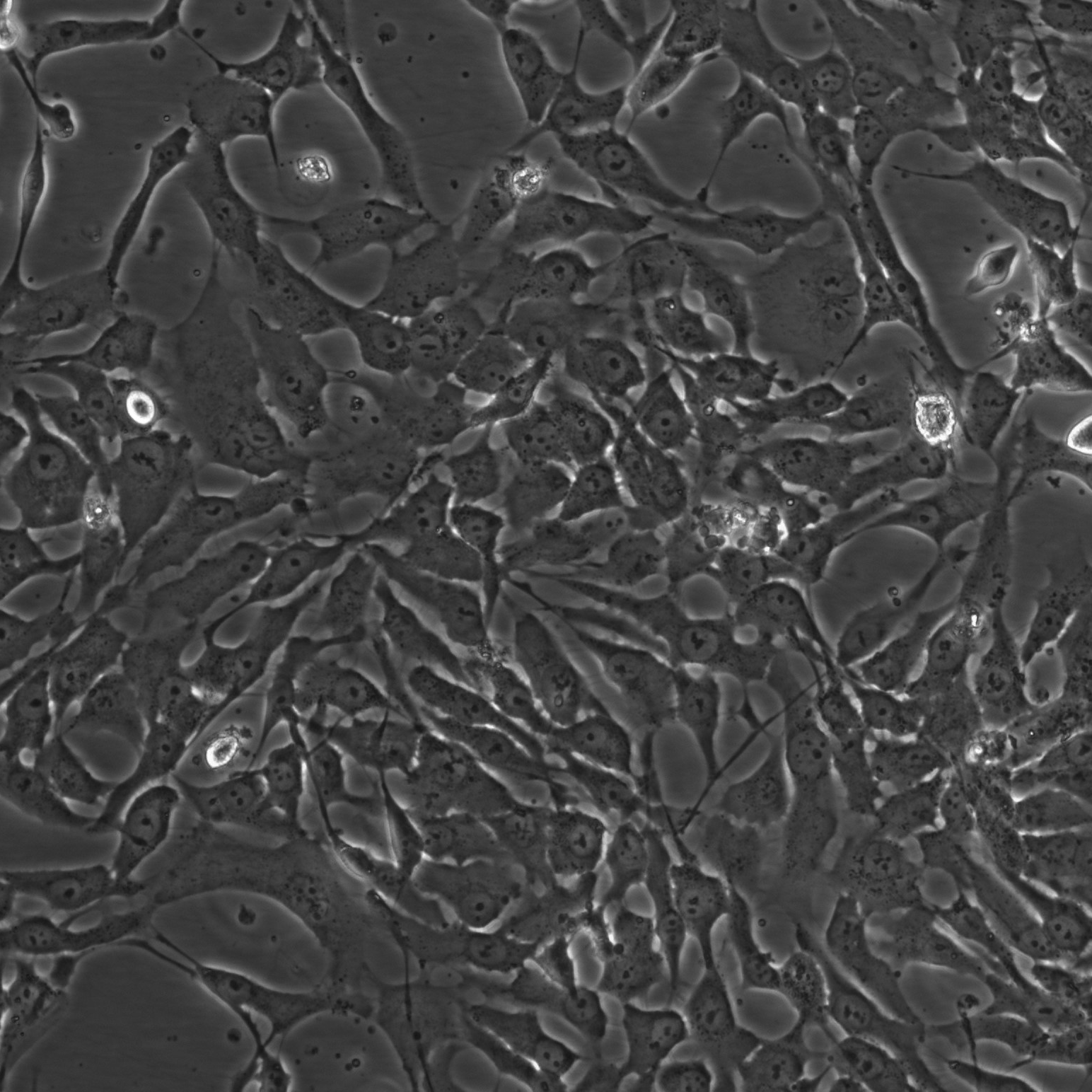

NCI-H2009 Cells
| Unit |
3 x 10^6 cells/ml |
|---|---|
| Cell Type |
Tumor Cells |
| Tissue Type |
Lung cancer cell lines ,NCI cell lines ,Transformed cell lines |
| Organism |
Human |
| Donor History |
Adenocarcinoma |
| Growth Properties |
Adherent |
| Growth Conditions |
Culture medium: HITES medium supplemented The base medium for this cell line is DF12. To make the complete growth medium ,add the following components to the base medium: 0.005 mg/ml Insulin 0.01 mg/ml Transferrin 30 nM Sodium selenite (final conc.) 10 nM Hydrocortisone (final conc.) 10 nM beta-estradiol (final conc.) Extra 2 mM L-glutamine (for final conc. of 4.5 mM) 5% fetal bovine serum (final conc.). Dissociation reagent: Accutase. Freeze medium: As a cryopreservation medium ,we use complete growth medium (including FBS) + 10% DMSO for adequate post-thaw viability ,or CM-1 (Cytion catalog number 800100) ,which includes optimized osmoprotectants and metabolic stabilizers to enhance recovery and reduce cryo-induced stress. Incubation atmosphere: 37°C ,5% CO2 ,humidified atmosphere. |
| Immortalization Method | |
| Full Information |

The NCI-H2009 cell line is derived from a human non-small cell lung carcinoma (NSCLC), specifically an adenocarcinoma. This cell line is extensively used in lung cancer research to study the molecular and cellular mechanisms underlying adenocarcinoma, the most common subtype of NSCLC. NCI-H2009 cells are valuable for investigating genetic mutations, signal transduction pathways, and therapeutic responses associated with lung adenocarcinoma.
NCI-H2009 cells exhibit an epithelial morphology and express markers characteristic of lung adenocarcinoma, including cytokeratins and carcinoembryonic antigen (CEA). They harbor genetic alterations frequently observed in NSCLC, such as mutations in the KRAS gene, which is pivotal in cell signaling, growth, and survival. Researchers utilize NCI-H2009 cells to explore key signaling pathways involved in lung cancer progression, such as the EGFR, KRAS, and PI3K/Akt pathways. These cells are also employed in high-throughput drug screening assays and preclinical testing of chemotherapeutic agents, targeted therapies, and immunotherapies. Additionally, NCI-H2009 cells are used to study mechanisms of drug resistance and to develop strategies to overcome it. The relevance of the NCI-H2009 cell line in lung adenocarcinoma research highlights its importance in advancing our understanding of lung cancer biology and in developing new and more effective treatment approaches for patients with NSCLC.
Společnost Cytion vznikla v roce 2004 v německém Heidelbergu s jasným vědeckým posláním: dodávat ověřené lidské a zvířecí buněčné linie bez kontaminace, připravené za přísně kontrolovaných laboratorních podmínek.
Postupně se vypracovala ve spolehlivou buněčnou banku, která slouží akademickým laboratořím, biotechnologickým firmám i farmaceutickým výzkumným týmům po celém světě. Klade přitom důraz na reprodukovatelnost výsledků, přísnou kontrolu kvality a dlouhodobá partnerství.