
 Genetika člověka
 Mikrobiologické aplikace
 NGS
NGS Rapid testy
 PCR plasty
 Pipetovací špičky
 Plasty pro buněčnou kultivaci
 Systém pro dlouhodobé skladování vzorků
 Zkumavky
 Třepačky
 Suché lázně
 Centrifugy
 End Point cyclery
 Real-time PCR cyclery
 Fluorometry
 Spektrofotometry
 Izolátory nukleových kyselin
 Pipetovací roboty
 Biobanking
 Live Cell Imaging
 Jednokanálové
 Multikanálové
 Sérologické pipety
 Jednorázové pipety
 Buněčné kultury
 PCR, qPCR, RT
 Detekce Mycoplasmat
 Reverzní transkripce
 Alergie
 Intolerance
 Elisa
Elisa Imunologické analyzátory
 Veterinární imunologie
 Alergie u zvířat
 Intolerance u zvířat
 Biochemie
 Imunoanalýza
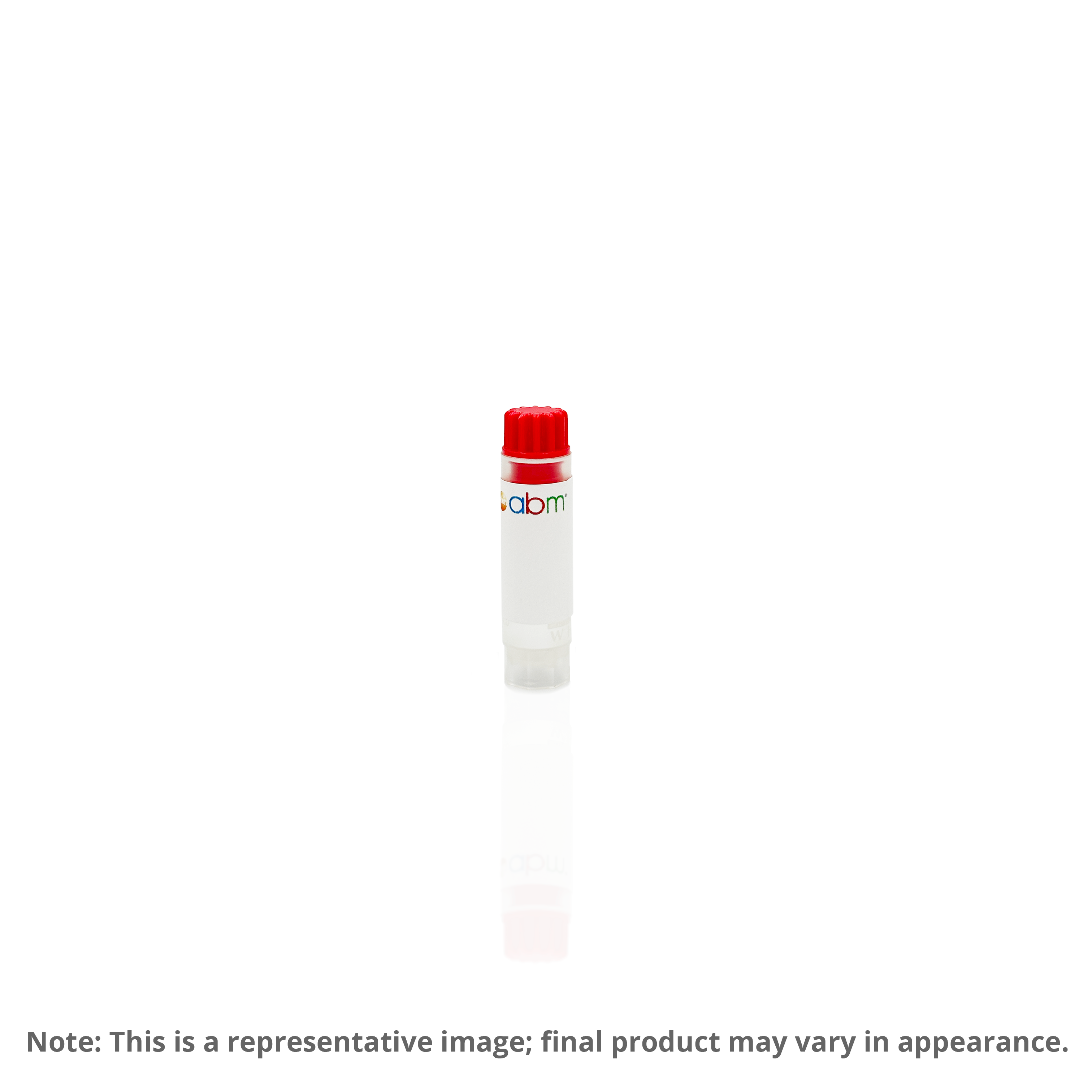

NTCP Stable HepG2 Cell Line
| Unit |
1×10⁶ cells / 1 ml |
|---|---|
| Cell Type |
Stable (KO/Expressing) Cells |
| Tissue Type |
Liver |
| Organism |
Human (H. sapiens) |
| Donor History |
Male ,15 ,White ,Hepatocellular carcinoma |
| Growth Properties |
Adherent ,epithelial-like |
| Growth Conditions |
PriCoat™ T25 Flasks (G299) or Applied Cell Extracellular Matrix (G422) are recommended for optimal cell culture. DMEM/F-12 (1:1) Medium (TM510) + 10% FBS + 2 mM L-Glutamine (G275) + 1X Non-Essential Amino Acids (TM068) + 1% Penicillin/Streptomycin Solution (G255) ,37.0°C ,5% CO₂. 300 µg/ml Geneticin/G418 (G271) for selection. Note: Selection drugs should be added to the culture medium after the first passage to ensure cells have recovered from freeze-thaw conditions. |
| Immortalization Method | |
| Full Information |
The NTCP HepG2 cell line is a genetically engineered hepatocyte model developed to facilitate the study of Hepatitis B virus (HBV) infection and replication. This cell line was created by introducing the sodium taurocholate co-transporting polypeptide (NTCP) receptor into HepG2 cells via a lentivirus vector, which also expresses GFP for sorting purposes. The permissiveness of these cells to HBV infection is directly correlated with the levels of NTCP expression. Experiments showed that up to 50-60% of the HepG2/NTCP cells could be successfully infected with HBV, as determined by the presence of viral RNA transcripts and cytoplasmic HBV DNA. Additionally, Southern blot and PCR analyses confirmed the presence of covalently closed circular DNA (cccDNA) in infected cells. To enhance the utility of this cell line for advanced research, the CRISPR/Cas9 gene editing system was incorporated, allowing for precise targeting and cleavage of HBV cccDNA. This integration opens up new avenues for antiviral strategy development, as it demonstrates the potential to directly target and disrupt viral DNA within the nucleus. Overall, the NTCP HepG2 cell line serves as a powerful tool for investigating the molecular mechanisms of HBV infection and for testing novel antiviral therapies.