Genetika člověka
 Mikrobiologické aplikace
 NGS
 Rapid testy

 PCR plasty
 Pipetovací špičky
 Plasty pro buněčnou kultivaci
 Systém pro dlouhodobé skladování vzorků
 Zkumavky

 Třepačky
 Suché lázně
 Centrifugy
 End Point cyclery
 Real-time PCR cyclery
 Fluorometry
 Spektrofotometry
 Izolátory nukleových kyselin
 Pipetovací roboty
 Biobanking
 Live Cell Imaging

 Jednokanálové
 Multikanálové
 Sérologické pipety
 Jednorázové pipety

 Buněčné kultury
 PCR, qPCR, RT
 Detekce Mycoplasmat
 Reverzní transkripce

 Alergie
 Intolerance
 Elisa
 Imunologické analyzátory
 Veterinární imunologie
 Alergie u zvířat
 Intolerance u zvířat

 Čtečky identifikačních čipů
 Termočipy
 Biochemie
 Imunoanalýza


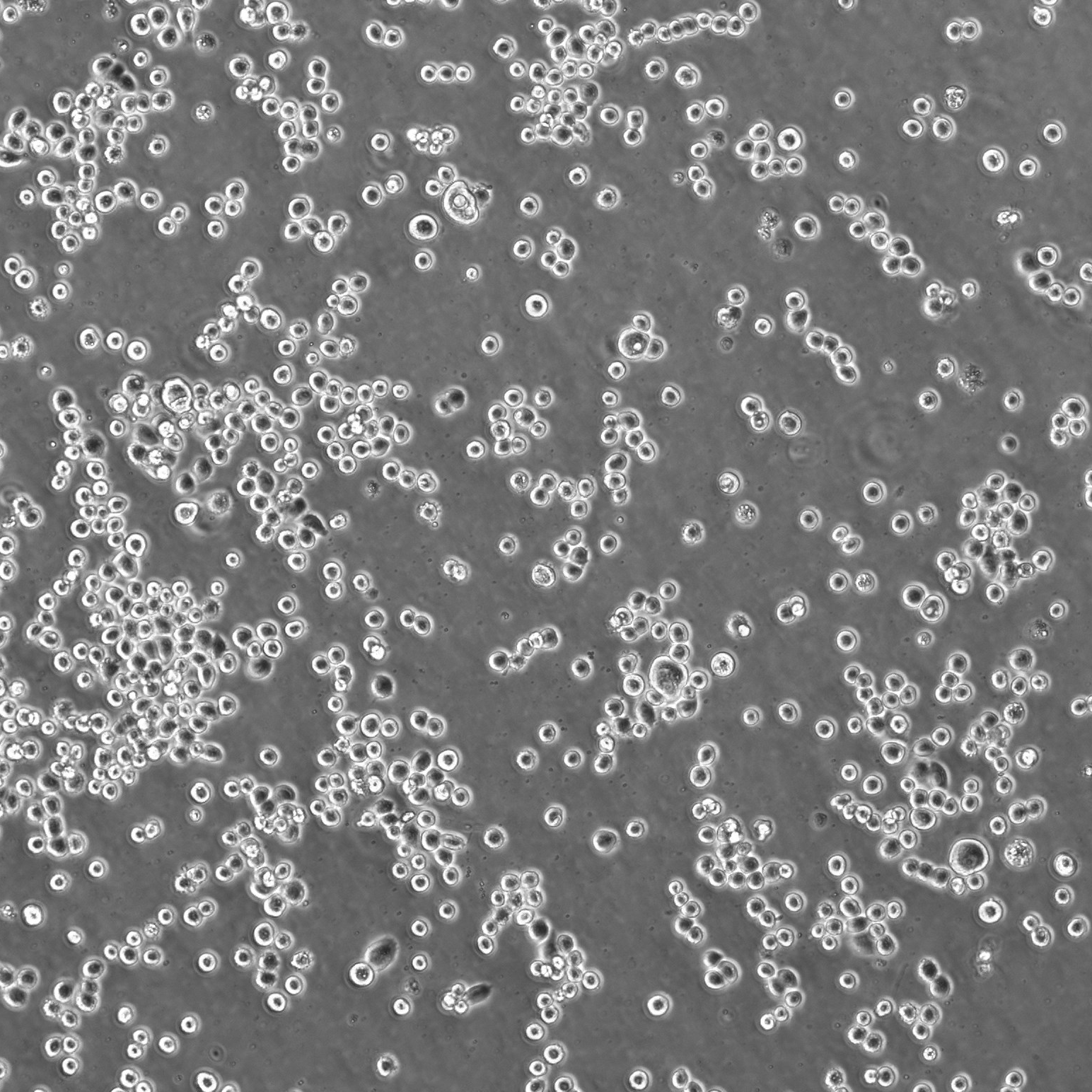

NUGC-4 Cells
| Unit |
3 x 10^6 cells/ml |
|---|---|
| Cell Type |
Tumor Cells |
| Tissue Type |
Gastric cancer cell lines |
| Organism |
Human |
| Donor History |
Gastric signet ring cell adenocarcinoma |
| Growth Properties |
Adherent |
| Growth Conditions |
Culture medium: RPMI 1640 ,w: 2.0 mM stable Glutamine ,w: 2.0 g/L NaHCO3 (Cytion article number 820700a). Supplements: Supplement the medium with 10% FBS. Dissociation reagent: Acccutase. Seeding density: 1 to 4 x 10⁴ cells/cm². Freeze medium: As a cryopreservation medium ,we use complete growth medium (including FBS) + 10% DMSO for adequate post-thaw viability ,or CM-1 (Cytion catalog number 800100) ,which includes optimized osmoprotectants and metabolic stabilizers to enhance recovery and reduce cryo-induced stress. Incubation atmosphere: 37°C ,5% CO2 ,humidified atmosphere. |
| Immortalization Method | |
| Full Information |

NUGC-4 is a human gastric cancer cell line established from metastatic paragastric lymph nodes of an adult patient with poorly differentiated adenocarcinoma exhibiting focal signet-ring cell carcinoma features. The cell line was developed from tumor tissues acquired during surgical resection and has been successfully maintained both in vitro and as a transplantable tumor in nude mice. In vitro, NUGC-4 cells grow predominantly as spherical cells, with some free-floating populations, and exhibit epithelial characteristics confirmed via electron microscopy. These include well-developed endoplasmic reticulum, Golgi apparatus, cytoplasmic filaments, and desmosome-like junctions. Notably, cells contain intracytoplasmic microcysts, contributing to their unique morphology.
Chromosomal analysis reveals that NUGC-4 cells possess a near-triploid karyotype with a modal chromosome number ranging from 52 to 54 in vitro and approximately 53 in vivo. The cells display consistent trisomies across several chromosomal groups, though no specific marker chromosomes were identified. Doubling time for NUGC-4 is approximately 29.9 hours, indicating a moderately rapid proliferation rate under standard culture conditions. Among three related gastric cancer lines (NUGC-2, NUGC-3, and NUGC-4), NUGC-4 exhibited the highest in vitro sensitivity to anticancer agents such as mitomycin C and adriamycin, suggesting a heightened responsiveness to certain DNA-damaging chemotherapeutics.
Histologically, xenografts derived from NUGC-4 resemble the parent tumor, maintaining features of a scirrhous carcinoma pattern. The line has been used in drug response profiling and molecular characterization studies as part of large-scale cancer cell line projects. Its combination of clinical origin, histological fidelity, and drug sensitivity profile makes NUGC-4 a relevant model for studying aggressive and chemoresponsive gastric adenocarcinomas with diffuse-type characteristics.
Společnost Cytion vznikla v roce 2004 v německém Heidelbergu s jasným vědeckým posláním: dodávat ověřené lidské a zvířecí buněčné linie bez kontaminace, připravené za přísně kontrolovaných laboratorních podmínek.
Postupně se vypracovala ve spolehlivou buněčnou banku, která slouží akademickým laboratořím, biotechnologickým firmám i farmaceutickým výzkumným týmům po celém světě. Klade přitom důraz na reprodukovatelnost výsledků, přísnou kontrolu kvality a dlouhodobá partnerství.