Genetika člověka
 Mikrobiologické aplikace
 NGS
 Rapid testy

 PCR plasty
 Pipetovací špičky
 Plasty pro buněčnou kultivaci
 Systém pro dlouhodobé skladování vzorků
 Zkumavky

 Třepačky
 Suché lázně
 Centrifugy
 End Point cyclery
 Real-time PCR cyclery
 Fluorometry
 Spektrofotometry
 Izolátory nukleových kyselin
 Pipetovací roboty
 Biobanking
 Live Cell Imaging

 Jednokanálové
 Multikanálové
 Sérologické pipety
 Jednorázové pipety

 Buněčné kultury
 PCR, qPCR, RT
 Detekce Mycoplasmat
 Reverzní transkripce

 Alergie
 Intolerance
 Elisa
 Imunologické analyzátory
 Veterinární imunologie
 Alergie u zvířat
 Intolerance u zvířat

 Čtečky identifikačních čipů
 Termočipy
 Biochemie
 Imunoanalýza


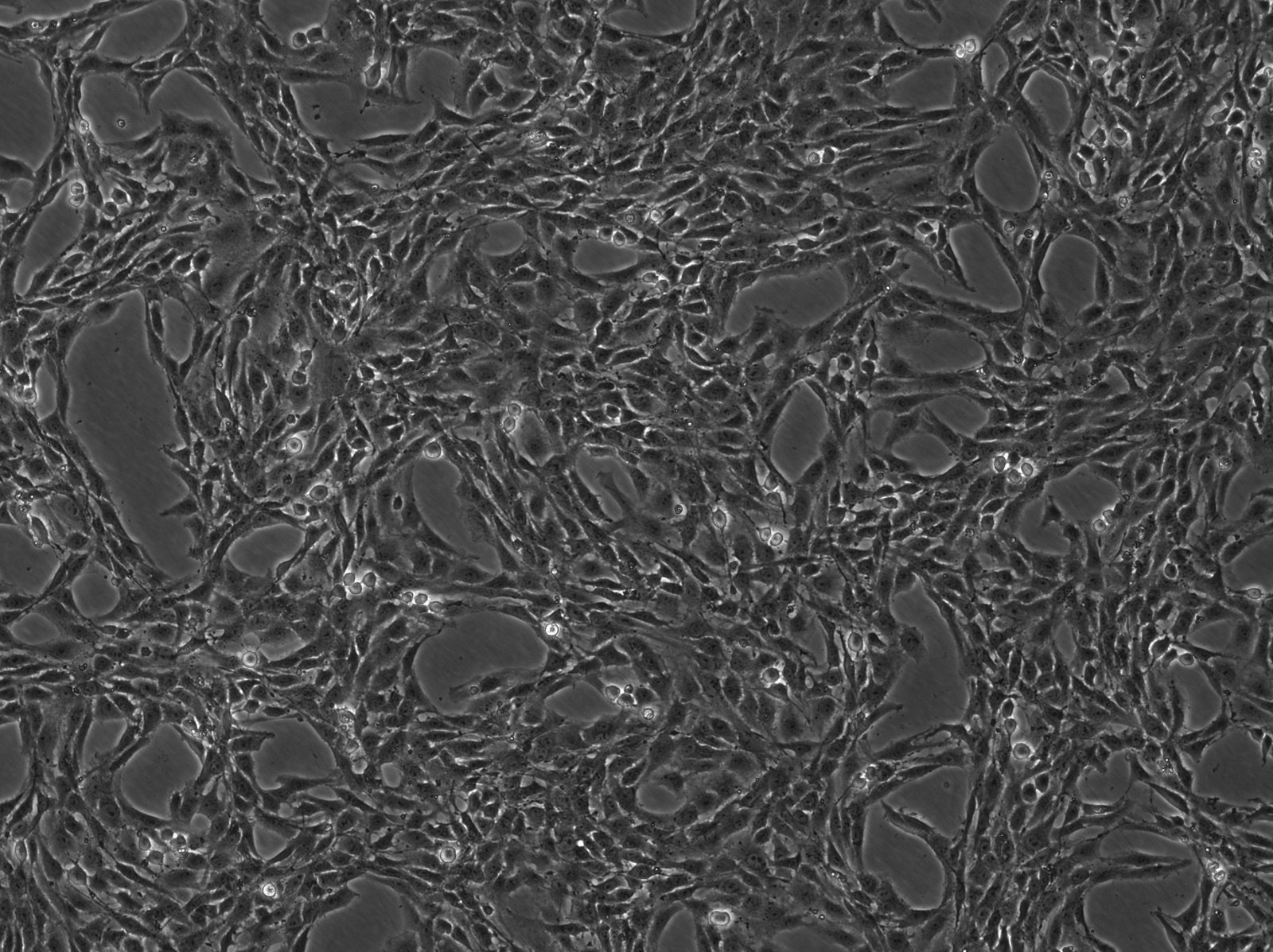

OLN-93 Cells
| Unit |
3 x 10^6 cells/ml |
|---|---|
| Cell Type |
Immortalized Cells |
| Tissue Type |
Rat cell lines |
| Organism |
Rat |
| Donor History | |
| Growth Properties |
Adherent |
| Growth Conditions |
Culture medium: DMEM ,w: 4 ,5 g/L Glucose ,w: 4 mM L-Glutamin ,w: 3 ,7 g/L NaHCO3 ,w: 1 ,0 mM Natriumpyruvat ,10% FBS. Supplements: Supplement the medium with 10% FBS. Dissociation reagent: Accutase 5 min 37°C. Seeding density: 1-3 x 10⁴ cells/cm². Freeze medium: As a cryopreservation medium ,we use complete growth medium (including FBS) + 10% DMSO for adequate post-thaw viability ,or CM-1 (Cytion catalog number 800100) ,which includes optimized osmoprotectants and metabolic stabilizers to enhance recovery and reduce cryo-induced stress. Incubation atmosphere: 37°C ,5% CO2 ,humidified atmosphere. |
| Immortalization Method | |
| Full Information |

OLN-93 is a permanent oligodendroglial cell line derived from primary glial cultures of neonatal rat brain. The cell line originated from spontaneously transformed cells in mixed glial cultures and was characterized to maintain stable oligodendroglial properties over extended culture periods. OLN-93 cells proliferate continuously in the presence of serum, with a doubling time of approximately 16-18 hours, and retain key features of differentiated oligodendrocytes. Immunocytochemical and biochemical analyses demonstrate that these cells express major myelin-specific markers including galactocerebroside (GC), myelin basic protein (MBP), myelin-associated glycoprotein (MAG), proteolipid protein (PLP), and Wolfgram protein (WP). The expression of PLP and its alternatively spliced isoform DM20 has been confirmed at the mRNA level using RT-PCR.
Importantly, OLN-93 cells do not express the astrocytic markers vimentin and glial fibrillary acidic protein (GFAP), nor the oligodendrocyte precursor marker A2B5, indicating a differentiated, non-precursor phenotype. Morphologically, the cells exhibit a bipolar appearance under standard culture conditions and develop arborized processes when grown at low density or in low-serum environments, resembling immature or early postnatal oligodendrocytes. These characteristics make OLN-93 a valuable model for studying oligodendrocyte differentiation, myelin protein expression, and interactions with neurons or other glial cell types in vitro.
OLN-93 cells have also been genetically engineered to study neurodegenerative disease processes. For instance, when transfected to express human α-synuclein (including the A53T mutant) and tau protein, they serve as a model to investigate mechanisms of protein aggregation under stress. Upon exposure to oxidative and proteasomal stress, OLN-93 cells form thioflavin S-positive aggregates that co-localize with α-synuclein, tau, and αB-crystallin, resembling glial cytoplasmic inclusions seen in synucleinopathies such as multiple system atrophy. These stress-induced changes in protein solubility and aggregate composition underline OLN-93’s utility as a model system to explore proteostasis, chaperone biology, and the cellular responses of oligodendrocytes to pathological protein aggregation.
Společnost Cytion vznikla v roce 2004 v německém Heidelbergu s jasným vědeckým posláním: dodávat ověřené lidské a zvířecí buněčné linie bez kontaminace, připravené za přísně kontrolovaných laboratorních podmínek.
Postupně se vypracovala ve spolehlivou buněčnou banku, která slouží akademickým laboratořím, biotechnologickým firmám i farmaceutickým výzkumným týmům po celém světě. Klade přitom důraz na reprodukovatelnost výsledků, přísnou kontrolu kvality a dlouhodobá partnerství.