Genetika člověka
 Mikrobiologické aplikace
 NGS
 Rapid testy

 PCR plasty
 Pipetovací špičky
 Plasty pro buněčnou kultivaci
 Systém pro dlouhodobé skladování vzorků
 Zkumavky

 Třepačky
 Suché lázně
 Centrifugy
 End Point cyclery
 Real-time PCR cyclery
 Fluorometry
 Spektrofotometry
 Izolátory nukleových kyselin
 Pipetovací roboty
 Biobanking
 Live Cell Imaging

 Jednokanálové
 Multikanálové
 Sérologické pipety
 Jednorázové pipety

 Buněčné kultury
 PCR, qPCR, RT
 Detekce Mycoplasmat
 Reverzní transkripce

 Alergie
 Intolerance
 Elisa
 Imunologické analyzátory
 Veterinární imunologie
 Alergie u zvířat
 Intolerance u zvířat

 Čtečky identifikačních čipů
 Termočipy
 Biochemie
 Imunoanalýza


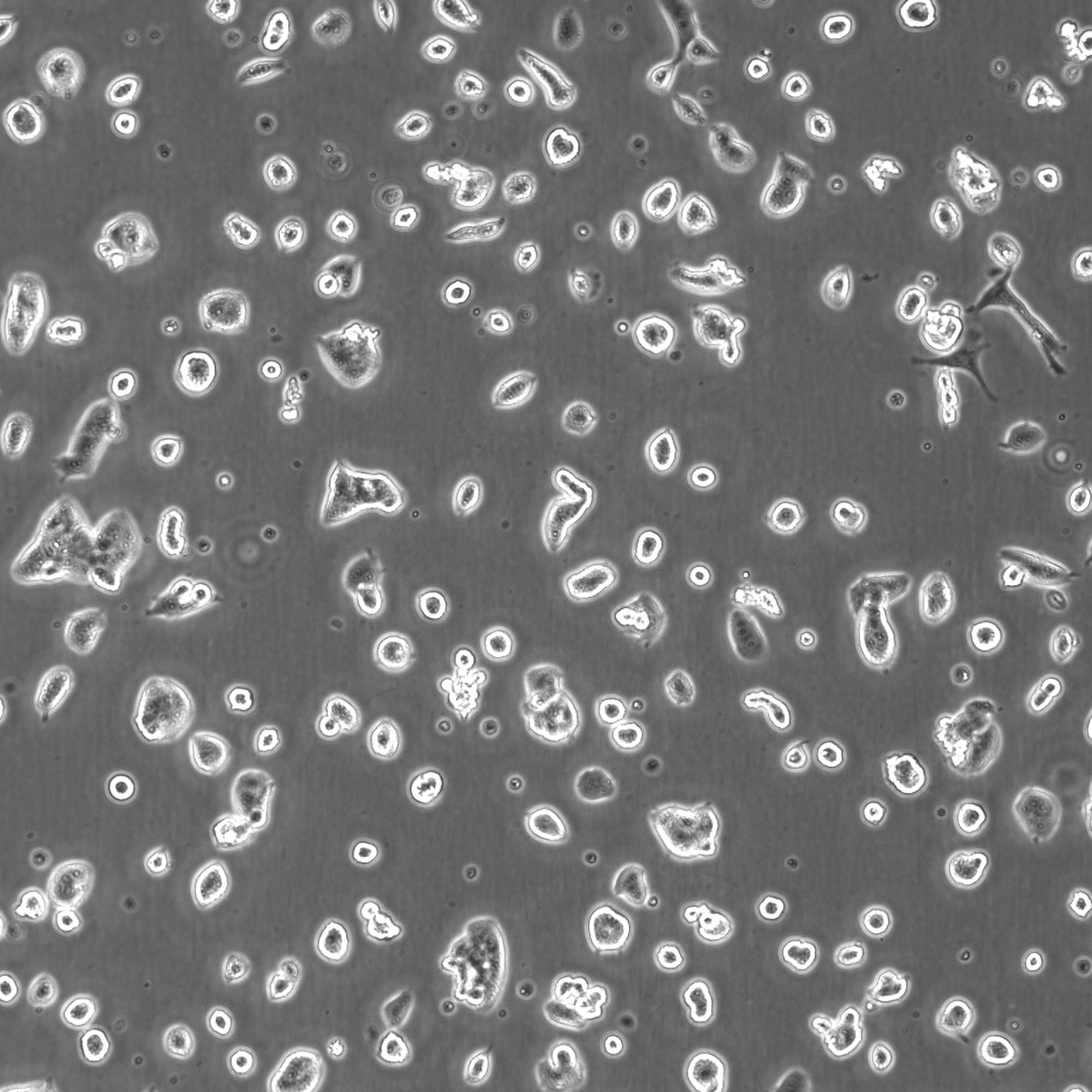

RM-1-Luc Cells
| Unit |
3 x 10^6 cells/ml |
|---|---|
| Cell Type |
Stable (KO/Expressing) Cells |
| Tissue Type |
Mouse cell lines ,Reporter-labeled cells |
| Organism |
Mouse |
| Donor History |
Carcinoma prostate gland |
| Growth Properties |
Adherent |
| Growth Conditions |
Culture medium: DMEM ,w: 4.5 g/L Glucose ,w: 4 mM L-Glutamine ,w: 3.7 g/L NaHCO3 ,w: 1.0 mM Sodium pyruvate (Cytion article number 820300a). Supplements: Supplement the medium with 10% FBS. Dissociation reagent: Accutase 5 min ,RT. Seeding density: 1 to 4 x 10⁴ cells/cm². Freeze medium: As a cryopreservation medium ,we use complete growth medium + 10% DMSO for adequate post-thaw viability. Incubation atmosphere: 37°C ,5% CO2 ,humidified atmosphere. |
| Immortalization Method | |
| Full Information |

RM-1-Luc is a bioluminescent derivative of the murine RM-1 prostate carcinoma cell line, engineered to stably express a firefly luciferase reporter gene. The parental RM-1 cell line was established from a carcinoma of the mouse prostate gland derived from fetal C57BL/6 tissue at 17 fetal days and is a rapidly growing, androgen-independent prostate cancer model in the C57BL/6 syngeneic background. RM-1 cells exhibit epithelial morphology, express typical prostate carcinoma markers, and form aggressive tumors in immunocompetent C57BL/6 hosts, making this model suitable for studying tumor-immune interactions and evaluating immunotherapy strategies against prostate cancer.
The stable luciferase integration in RM-1-Luc enables sensitive, noninvasive bioluminescence imaging (BLI) of primary tumor growth and metastatic dissemination in living C57BL/6 mice following luciferin administration. The emitted signal correlates with viable tumor cell number, supporting longitudinal assessment of tumor engraftment, growth kinetics, and therapeutic response without repeated invasive procedures. RM-1-Luc is particularly valuable for preclinical evaluation of checkpoint inhibitors, androgen-deprivation strategies, and combination immunotherapy approaches in an immunocompetent prostate cancer model.
RM-1-Luc retains the key biological features of the parental RM-1 line, including its androgen-independent growth, C57BL/6 syngeneic compatibility, and established use in prostate cancer research. The luciferase reporter enhances experimental sensitivity and enables real-time pharmacodynamic assessment. Researchers should validate luciferase activity, growth kinetics, and immunological phenotype under their specific experimental conditions prior to large-scale in vivo use.
Společnost Cytion vznikla v roce 2004 v německém Heidelbergu s jasným vědeckým posláním: dodávat ověřené lidské a zvířecí buněčné linie bez kontaminace, připravené za přísně kontrolovaných laboratorních podmínek.
Postupně se vypracovala ve spolehlivou buněčnou banku, která slouží akademickým laboratořím, biotechnologickým firmám i farmaceutickým výzkumným týmům po celém světě. Klade přitom důraz na reprodukovatelnost výsledků, přísnou kontrolu kvality a dlouhodobá partnerství.