Genetika člověka
 Mikrobiologické aplikace
 NGS
 Rapid testy

 PCR plasty
 Pipetovací špičky
 Plasty pro buněčnou kultivaci
 Systém pro dlouhodobé skladování vzorků
 Zkumavky

 Třepačky
 Suché lázně
 Centrifugy
 End Point cyclery
 Real-time PCR cyclery
 Fluorometry
 Spektrofotometry
 Izolátory nukleových kyselin
 Pipetovací roboty
 Biobanking
 Live Cell Imaging

 Jednokanálové
 Multikanálové
 Sérologické pipety
 Jednorázové pipety

 Buněčné kultury
 PCR, qPCR, RT
 Detekce Mycoplasmat
 Reverzní transkripce

 Alergie
 Intolerance
 Elisa
 Imunologické analyzátory
 Veterinární imunologie
 Alergie u zvířat
 Intolerance u zvířat

 Čtečky identifikačních čipů
 Termočipy
 Biochemie
 Imunoanalýza


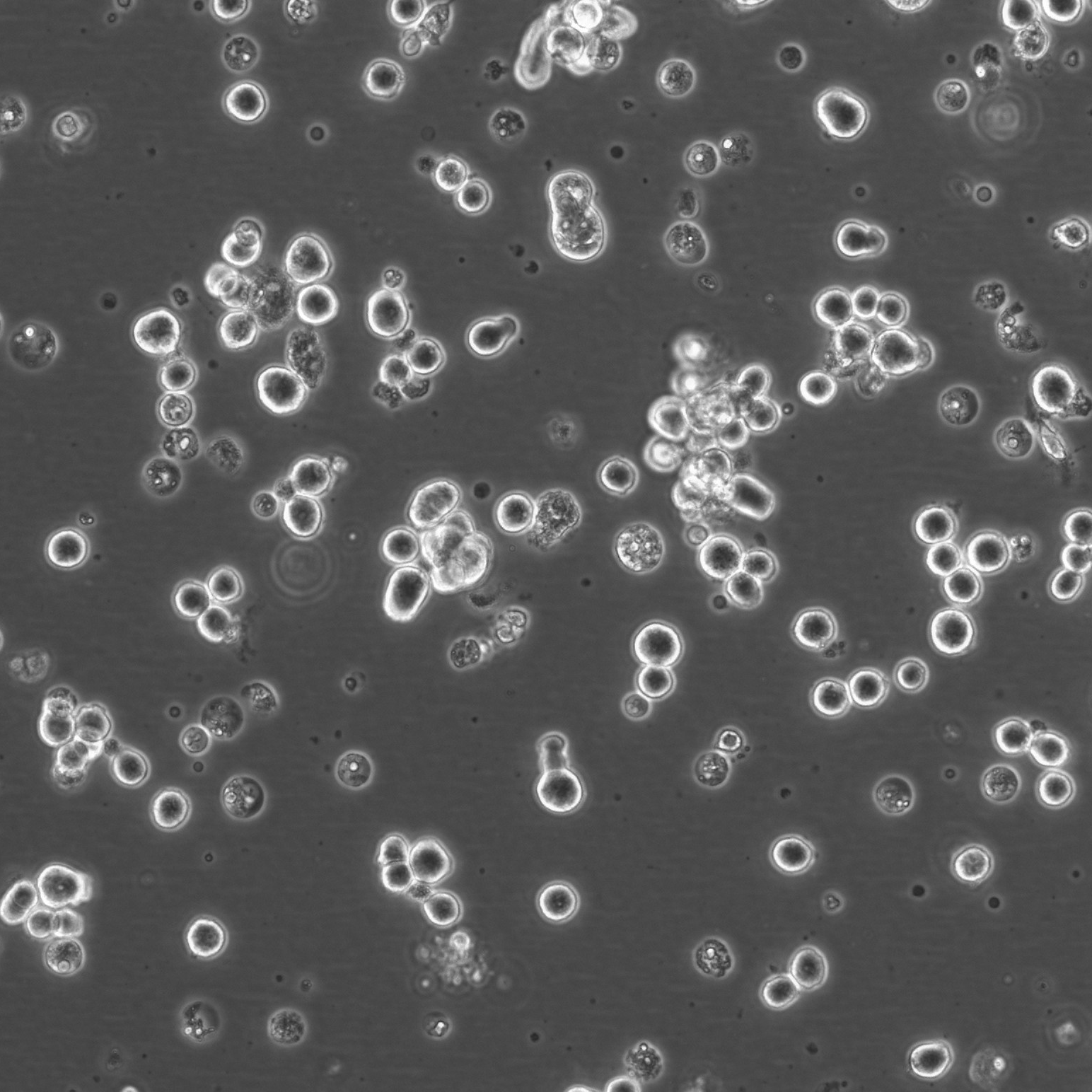

SNU-620 Cells
| Unit |
5 x 10^6 cells/ml |
|---|---|
| Cell Type |
Tumor Cells |
| Tissue Type |
Gastric cancer cell lines |
| Organism |
Human |
| Donor History |
Gastric adenocarcinoma |
| Growth Properties |
Suspension |
| Growth Conditions |
Culture medium: RPMI 1640 ,w: 2.0 mM stable Glutamine ,w: 2.0 g/L NaHCO3 (Cytion article number 820700a). Supplements: Supplement the medium with 10% FBS. Seeding density: 0.1 to 1 x 10⁶ /ml. Freeze medium: As a cryopreservation medium ,we use complete growth medium + 10% DMSO for adequate post-thaw viability. Incubation atmosphere: 37°C ,5% CO2 ,humidified atmosphere. |
| Immortalization Method | |
| Full Information |

SNU-620 cells are a human gastric carcinoma cell line established from malignant ascites of an adult patient with poorly differentiated adenocarcinoma. They are part of a panel of gastric cancer cell lines developed to represent diverse histopathological and biological characteristics of gastric tumors. In vitro, SNU-620 cells exhibit a scattered growth pattern with heterogeneous cell distribution and limited attachment to culture substrates, reflecting their origin from a poorly differentiated tumor with minimal desmoplasia. Morphologically, the cells display predominantly round-to-oval contours with a relatively low nuclear-to-cytoplasmic ratio and poorly developed microvilli, as observed through ultrastructural analysis.
SNU-620 cells contribute to the study of gastric cancer biology through their expression of tumor-associated antigens and molecular alterations characteristic of gastric malignancies. Broader characterization of related SNU gastric cancer lines revealed frequent mutations in key oncogenes and tumor suppressors, including p53, highlighting their relevance for investigating genetic instability and oncogenic signaling pathways in gastric carcinoma. These features make SNU-620 cells a useful in vitro model for studies on tumor progression, metastasis, and therapeutic response in gastric cancer.
Společnost Cytion vznikla v roce 2004 v německém Heidelbergu s jasným vědeckým posláním: dodávat ověřené lidské a zvířecí buněčné linie bez kontaminace, připravené za přísně kontrolovaných laboratorních podmínek.
Postupně se vypracovala ve spolehlivou buněčnou banku, která slouží akademickým laboratořím, biotechnologickým firmám i farmaceutickým výzkumným týmům po celém světě. Klade přitom důraz na reprodukovatelnost výsledků, přísnou kontrolu kvality a dlouhodobá partnerství.