Genetika člověka
 Mikrobiologické aplikace
 NGS
 Rapid testy

 PCR plasty
 Pipetovací špičky
 Plasty pro buněčnou kultivaci
 Systém pro dlouhodobé skladování vzorků
 Zkumavky

 Třepačky
 Suché lázně
 Centrifugy
 End Point cyclery
 Real-time PCR cyclery
 Fluorometry
 Spektrofotometry
 Izolátory nukleových kyselin
 Pipetovací roboty
 Biobanking
 Live Cell Imaging

 Jednokanálové
 Multikanálové
 Sérologické pipety
 Jednorázové pipety

 Buněčné kultury
 PCR, qPCR, RT
 Detekce Mycoplasmat
 Reverzní transkripce

 Alergie
 Intolerance
 Elisa
 Imunologické analyzátory
 Veterinární imunologie
 Alergie u zvířat
 Intolerance u zvířat

 Čtečky identifikačních čipů
 Termočipy
 Biochemie
 Imunoanalýza


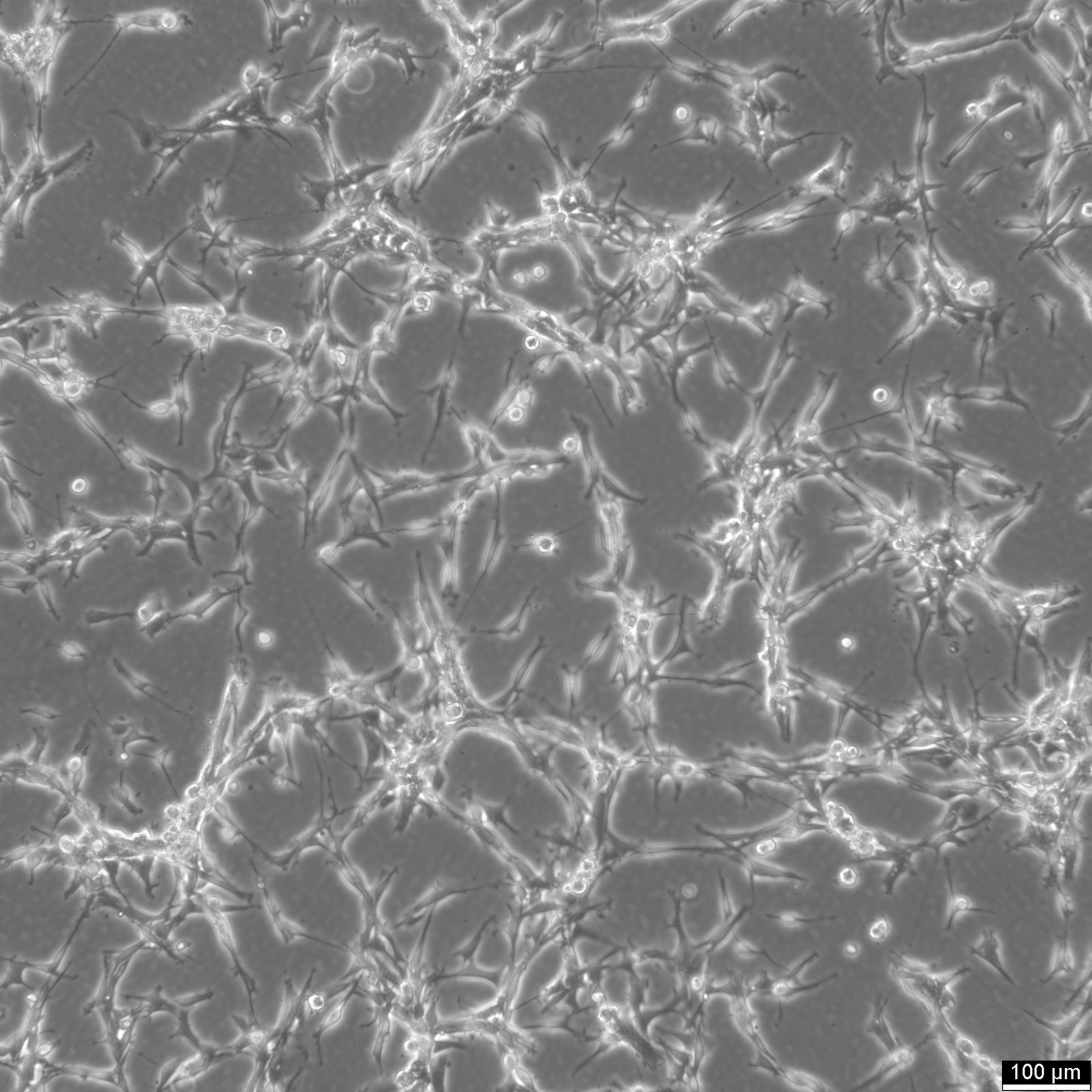

U-87 MG Cells
| Unit |
3 x 10^6 cells/ml |
|---|---|
| Cell Type |
Tumor Cells |
| Tissue Type |
Brain cancer cell lines |
| Organism |
Human |
| Donor History |
Glioblastoma |
| Growth Properties |
Adherent |
| Growth Conditions |
Culture medium: EMEM (MEM Eagle) ,w: 2 mM L-Glutamine ,w: 2.2 g/L NaHCO3 ,w: EBSS (Cytion article number 820100a). Supplements: Supplement the medium with 10% FBS and 1% NEAA. Dissociation reagent: Accutase. Seeding density: 4 x 10⁴ cells/cm². Freeze medium: As a cryopreservation medium ,we use 50% basal medium + 40% FBS + 10% DMSO ,or CM-1 (Cytion catalog number 800100) ,which includes optimized osmoprotectants and metabolic stabilizers to enhance recovery and reduce cryo-induced stress. Incubation atmosphere: 37°C ,5% CO2 ,humidified atmosphere. |
| Immortalization Method | |
| Full Information |

The U87MG cell line, established from a human glioblastoma, is one of the most widely utilized cellular models in neurobiological and cancer research. Originating from a malignant tumor of the central nervous system, these cells exhibit many of the hallmark features of glioblastoma multiforme (GBM), including rapid proliferation, high invasiveness, and significant genetic and phenotypic heterogeneity. This makes the U87MG cell line, also referred to as U87 cells, an invaluable tool for exploring the molecular and cellular mechanisms underlying brain tumors, as well as for testing potential therapeutic strategies.
In neuroscience and immuno-oncology research, U87MG cells serve as a model to elucidate the cell function and cytotoxicity mechanisms in glioblastoma, including the exploration of NK cell cytotoxicity. The expression of NKG2D ligands on U87 cells and the use of NKG2D antibodies in studies highlight the intricate dynamics between cancer cells and the immune system, particularly NK cells, in the tumor microenvironment.
The stemness features of U87 glioblastoma cells, alongside their genetic and phenotypic attributes, are subjects of intense study, aiming to unravel the mechanisms that confer these cells a high degree of plasticity and resistance to conventional therapies. The U87 cell line’s exact origin remains somewhat enigmatic, with genetic analyses revealing differences from the original tumor.
In summary, the U87 cell line remains a fundamental tool in glioblastoma research, facilitating a deeper understanding of the disease’s biology and the quest for more effective treatments.
Společnost Cytion vznikla v roce 2004 v německém Heidelbergu s jasným vědeckým posláním: dodávat ověřené lidské a zvířecí buněčné linie bez kontaminace, připravené za přísně kontrolovaných laboratorních podmínek.
Postupně se vypracovala ve spolehlivou buněčnou banku, která slouží akademickým laboratořím, biotechnologickým firmám i farmaceutickým výzkumným týmům po celém světě. Klade přitom důraz na reprodukovatelnost výsledků, přísnou kontrolu kvality a dlouhodobá partnerství.