
 Genetika člověka
 Mikrobiologické aplikace
 NGS
 Rapid testy

 PCR plasty
 Pipetovací špičky
 Plasty pro buněčnou kultivaci
 Systém pro dlouhodobé skladování vzorků
 Zkumavky

 Třepačky
 Suché lázně
 Centrifugy
 End Point cyclery
 Real-time PCR cyclery
 Fluorometry
 Spektrofotometry
 Izolátory nukleových kyselin
 Pipetovací roboty
 Biobanking
 Live Cell Imaging

 Jednokanálové
 Multikanálové
 Sérologické pipety
 Jednorázové pipety

 Buněčné kultury
 PCR, qPCR, RT
 Detekce Mycoplasmat
 Reverzní transkripce

 Alergie
 Intolerance
 Elisa
 Imunologické analyzátory
 Veterinární imunologie
 Alergie u zvířat
 Intolerance u zvířat

 Čtečky identifikačních čipů
 Termočipy
 Biochemie
 Imunoanalýza


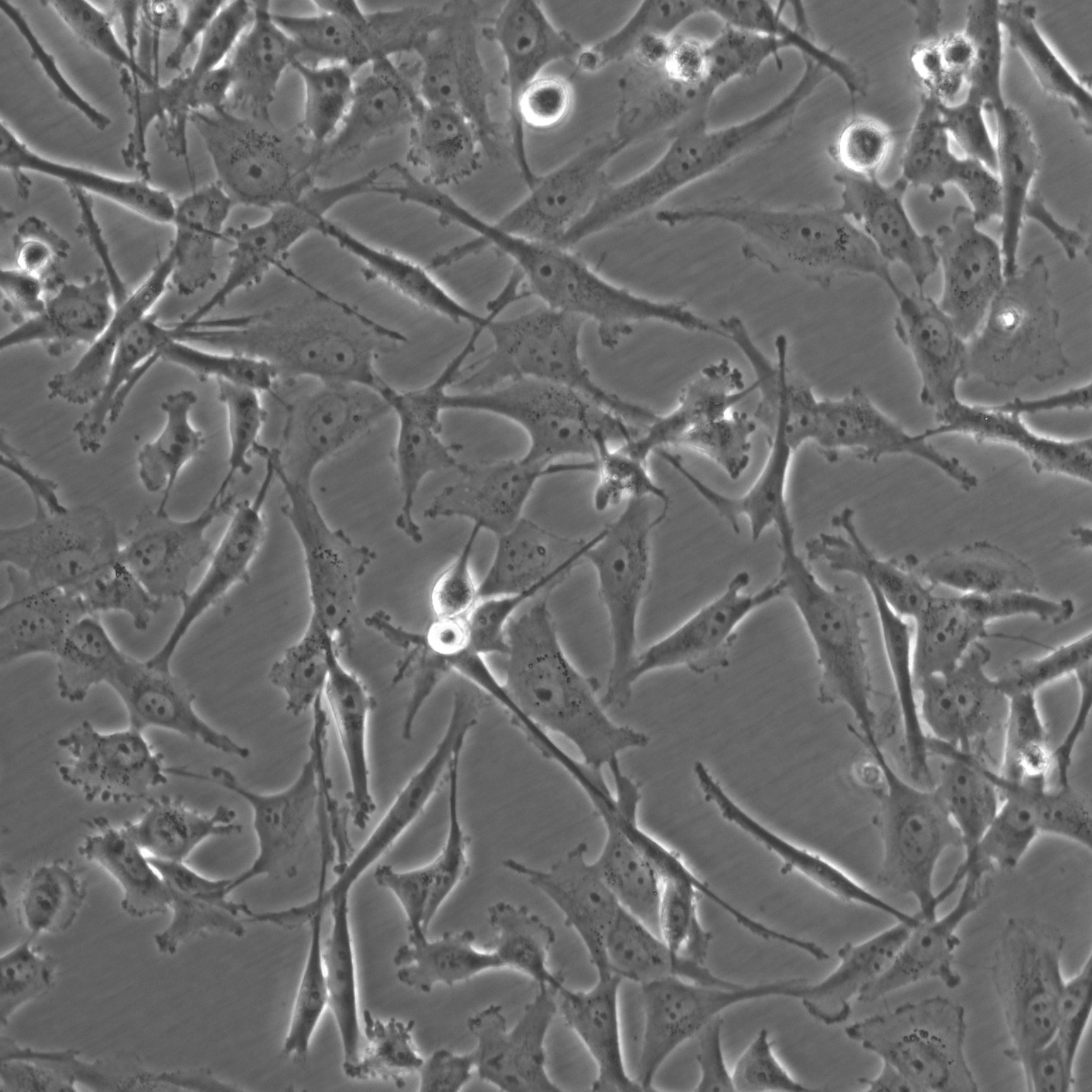

U251 MG/TMZ Cells
| Unit |
3 x 10^6 cells/ml |
|---|---|
| Cell Type |
Tumor Cells |
| Tissue Type |
Brain cancer cell lines |
| Organism |
Human |
| Donor History |
Astrocytoma |
| Growth Properties |
Adherent |
| Growth Conditions |
Culture medium: DMEM ,w: 4.5 g/L Glucose ,w: 4 mM L-Glutamine ,w: 3.7 g/L NaHCO3 ,w: 1.0 mM Sodium pyruvate (Cytion article number 820300a). Supplements: Supplement the medium with 10% FBS and 50 µM Temozolomid (TMZ). Dissociation reagent: Accutase. Seeding density: 1 to 3 × 10⁴ cells/cm². Freeze medium: As a cryopreservation medium ,we use complete growth medium + 10% DMSO for adequate post-thaw viability. Incubation atmosphere: 37°C ,5% CO2 ,humidified atmosphere. |
| Immortalization Method | |
| Full Information |

U251 MG/TMZ is a temozolomide-resistant derivative of the human glioblastoma cell line U251 MG. The parental U251 MG line was established from the malignant glioma of an adult patient and is widely used as a model of high-grade astrocytic tumors. U251 MG/TMZ cells are generated through stepwise, long-term exposure of parental U251 MG cells to increasing concentrations of temozolomide (TMZ), the standard alkylating chemotherapeutic agent used in glioblastoma treatment. This selection process results in a stable phenotype characterized by significantly reduced sensitivity to TMZ-induced cytotoxicity compared to the parental line.
Mechanistically, TMZ resistance in U251 MG/TMZ cells is commonly associated with upregulation of O6-methylguanine-DNA methyltransferase (MGMT), enhanced DNA damage repair capacity, alterations in mismatch repair pathways, and activation of pro-survival signaling cascades. Resistant cells frequently exhibit reduced apoptosis following TMZ exposure, with decreased caspase activation and attenuated mitochondrial pathway engagement. Additional molecular adaptations may include dysregulation of PI3K/AKT, MAPK, NF-κB, or STAT3 signaling pathways, as well as altered expression of drug transporters and stemness-associated markers, depending on the selection protocol used.
U251 MG/TMZ cells maintain adherent growth with astrocytic morphology similar to the parental line but demonstrate higher TMZ IC50 values and sustained proliferation under drug pressure. This model is widely used to investigate mechanisms of acquired chemoresistance, identify biomarkers predictive of therapeutic response, and evaluate novel combinatorial strategies aimed at overcoming TMZ resistance. As such, U251 MG/TMZ provides a clinically relevant in vitro platform for studying treatment failure and therapeutic vulnerability in glioblastoma.
Společnost Cytion vznikla v roce 2004 v německém Heidelbergu s jasným vědeckým posláním: dodávat ověřené lidské a zvířecí buněčné linie bez kontaminace, připravené za přísně kontrolovaných laboratorních podmínek.
Postupně se vypracovala ve spolehlivou buněčnou banku, která slouží akademickým laboratořím, biotechnologickým firmám i farmaceutickým výzkumným týmům po celém světě. Klade přitom důraz na reprodukovatelnost výsledků, přísnou kontrolu kvality a dlouhodobá partnerství.