
 Genetika člověka
 Mikrobiologické aplikace
 NGS
NGS Rapid testy
 PCR plasty
 Pipetovací špičky
 Plasty pro buněčnou kultivaci
 Systém pro dlouhodobé skladování vzorků
 Zkumavky
 Třepačky
 Suché lázně
 Centrifugy
 End Point cyclery
 Real-time PCR cyclery
 Fluorometry
 Spektrofotometry
 Izolátory nukleových kyselin
 Pipetovací roboty
 Biobanking
 Live Cell Imaging
 Jednokanálové
 Multikanálové
 Sérologické pipety
 Jednorázové pipety
 Buněčné kultury
 PCR, qPCR, RT
 Detekce Mycoplasmat
 Reverzní transkripce
 Alergie
 Intolerance
 Elisa
Elisa Imunologické analyzátory
 Veterinární imunologie
 Alergie u zvířat
 Intolerance u zvířat
 Biochemie
 Imunoanalýza
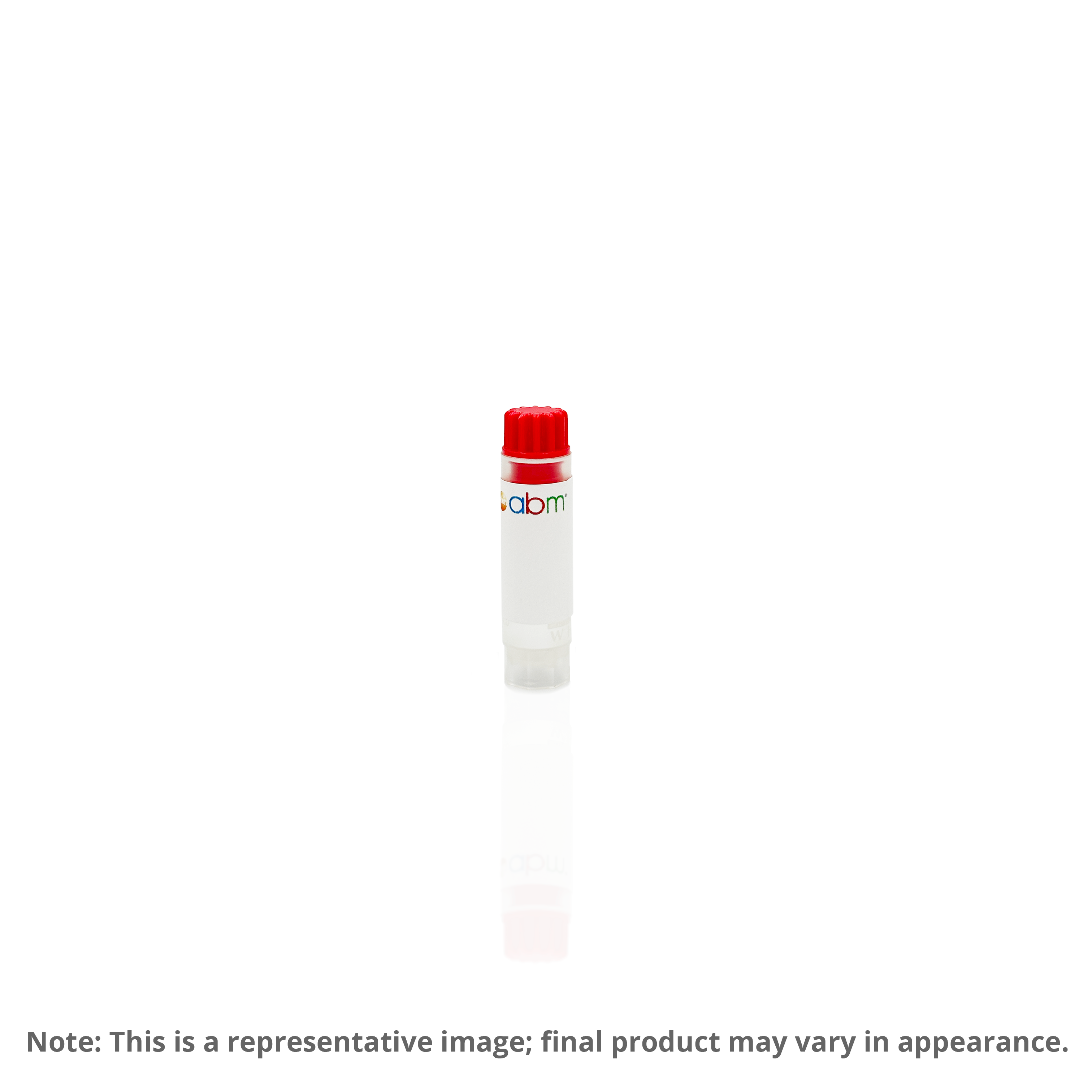

ER Expressing Epithelial Endometrial Cancer Cell Line (HCI-EC-23)
| Unit |
1×10⁶ cells / 1.0 ml |
|---|---|
| Cell Type |
Tumor Cells |
| Tissue Type |
Endometrium |
| Organism |
Human (H. sapiens) |
| Donor History |
Female ,66 ,Grade 2 ,Stage 1A endometrioid endometrial carcinoma |
| Growth Properties |
Adherent ,epithelial |
| Growth Conditions |
PriCoat™ T25 Flasks (G299) or Applied Cell Extracellular Matrix (G422) are recommended for optimal cell culture. RPMI 1640 Medium (TM503) + 10% FBS + 1% Penicillin/Streptomycin Solution (G255) ,37.0°C ,5% CO₂. |
| Immortalization Method |
Tumor Cell Line |
| Full Information |
https://www.abmgood.com/ER-Expressing-Epithelial-Endometrial-Cancer-Cell-Line-HCI-EC-23-.html |
The HCI-EC-23 cell line is a novel, adherent endometrioid endometrial cancer (EEC) model that was developed from a patient-derived xenograft (PDX) model. The primary tumor was microsatellite instability-high (MSI-high) and estrogen receptor (ER) positive. The cell line retains these characteristics, maintaining ER expression and estrogen responsiveness both in vitro and in vivo. Characterization of HCI-EC-23 revealed that it is mutated in many commonly altered genes in EEC, such as PTEN, PIK3CA, and ARID1A, and has relatively few copy-number alterations. It exhibits paradoxical activation of ER by tamoxifen and shows an anti-proliferative response to progesterone, which is crucial for translational studies involving synthetic progesterone treatments. In vitro, HCI-EC-23 demonstrates a strong estrogen dependence for proliferation, with estrogen significantly boosting growth and progesterone reducing it. HCI-EC-23 tumors in mice also show estrogen dependence, with a reduction in tumor volume when treated with progesterone. The cell line’s unique features, including its MSI-high status, ER positivity, and distinct genetic background compared to the Ishikawa cell line, make it a valuable model for studying the hormonal underpinnings of endometrial cancer. HCI-EC-23 is well-suited for genetic screens, drug testing, and understanding the molecular aspects of hormonally driven endometrial cancer.