Genetika člověka
 Mikrobiologické aplikace
 NGS
 Rapid testy

 PCR plasty
 Pipetovací špičky
 Plasty pro buněčnou kultivaci
 Systém pro dlouhodobé skladování vzorků
 Zkumavky

 Třepačky
 Suché lázně
 Centrifugy
 End Point cyclery
 Real-time PCR cyclery
 Fluorometry
 Spektrofotometry
 Izolátory nukleových kyselin
 Pipetovací roboty
 Biobanking
 Live Cell Imaging

 Jednokanálové
 Multikanálové
 Sérologické pipety
 Jednorázové pipety

 Buněčné kultury
 PCR, qPCR, RT
 Detekce Mycoplasmat
 Reverzní transkripce

 Alergie
 Intolerance
 Elisa
 Imunologické analyzátory
 Veterinární imunologie
 Alergie u zvířat
 Intolerance u zvířat

 Čtečky identifikačních čipů
 Termočipy
 Biochemie
 Imunoanalýza


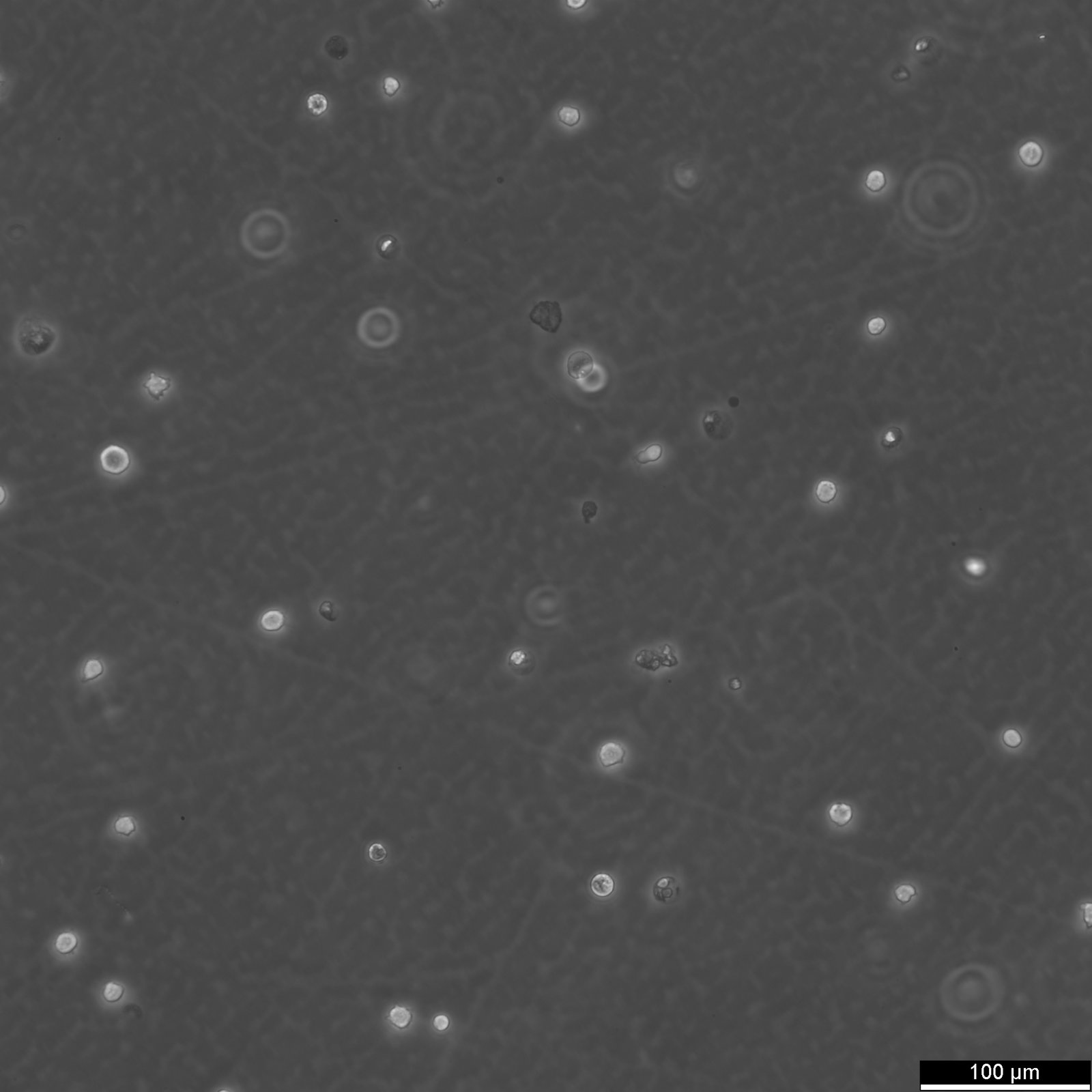

HL-60 Cells
| Unit |
5 x 10^6 cells/ml |
|---|---|
| Cell Type |
Tumor Cells |
| Tissue Type |
Leukemia cell lines |
| Organism |
Human |
| Donor History |
Acute promyelocytic leukemia |
| Growth Properties |
Suspension |
| Growth Conditions |
Culture medium: RPMI 1640 ,w: 2.0 mM stable Glutamine ,w: 2.0 g/L NaHCO3 (Cytion article number 820700a). Supplements: Supplement the medium with 10% heat-inactivated FBS. Seeding density: 2 x 10⁵ cells/ml. Freeze medium: As a cryopreservation medium ,we use complete growth medium (including FBS) + 10% DMSO for adequate post-thaw viability ,or CM-1 (Cytion catalog number 800100) ,which includes optimized osmoprotectants and metabolic stabilizers to enhance recovery and reduce cryo-induced stress. Incubation atmosphere: 37°C ,5% CO2 ,humidified atmosphere. |
| Immortalization Method | |
| Full Information |

HL-60 cells, originating from a 36-year-old female with acute promyelocytic leukemia, serve as a vital model in cancer research, particularly in studying hematological malignancies, due to their ability to differentiate into mature white blood cells and mimic innate immune responses, aiding in the understanding of leukemic progression, cellular oncogene expression, and therapeutic target identification.
The ability of HL-60 cells to differentiate into mature white blood cells, such as granulocytes and monocytes, through agents like dimethyl sulfoxide (DMSO) or retinoic acid, underscores their significance in studies related to human myeloid cell differentiation and sheds light on the mechanisms underpinning leukemic progression and the efficacy of therapeutic interventions.
HL-60 human myeloid leukemia cells are integral to research focusing on apoptosis, cell activation, and the cell cycle, including the regulation of key oncogenes like the c-myc proto-oncogene and tumor necrosis factor (TNF-alpha). Their capability to form extracellular traps, structures involved in trapping and killing pathogens, which mirrors the innate immune response seen in primary neutrophils, makes HL-60 cells a useful model for studying the immune aspects of leukemia and how leukemic cells interact with the immune system.
Moreover, the responsiveness of HL-60 cells to signaling pathways such as the MAPK pathway and various kinases is crucial for dissecting the molecular mechanisms driving leukemic cell proliferation and differentiation. This aspect is particularly beneficial for identifying therapeutic targets and developing new treatment strategies for leukemia.
HL-60 cells are a critical resource in cancer research, offering insights into hematological malignancies, leukemic progression, and potential therapeutic targets through their unique differentiation capabilities and mimicry of immune responses.
Společnost Cytion vznikla v roce 2004 v německém Heidelbergu s jasným vědeckým posláním: dodávat ověřené lidské a zvířecí buněčné linie bez kontaminace, připravené za přísně kontrolovaných laboratorních podmínek.
Postupně se vypracovala ve spolehlivou buněčnou banku, která slouží akademickým laboratořím, biotechnologickým firmám i farmaceutickým výzkumným týmům po celém světě. Klade přitom důraz na reprodukovatelnost výsledků, přísnou kontrolu kvality a dlouhodobá partnerství.