Genetika člověka
 Mikrobiologické aplikace
 NGS
 Rapid testy

 PCR plasty
 Pipetovací špičky
 Plasty pro buněčnou kultivaci
 Systém pro dlouhodobé skladování vzorků
 Zkumavky

 Třepačky
 Suché lázně
 Centrifugy
 End Point cyclery
 Real-time PCR cyclery
 Fluorometry
 Spektrofotometry
 Izolátory nukleových kyselin
 Pipetovací roboty
 Biobanking
 Live Cell Imaging

 Jednokanálové
 Multikanálové
 Sérologické pipety
 Jednorázové pipety

 Buněčné kultury
 PCR, qPCR, RT
 Detekce Mycoplasmat
 Reverzní transkripce

 Alergie
 Intolerance
 Elisa
 Imunologické analyzátory
 Veterinární imunologie
 Alergie u zvířat
 Intolerance u zvířat

 Čtečky identifikačních čipů
 Termočipy
 Biochemie
 Imunoanalýza


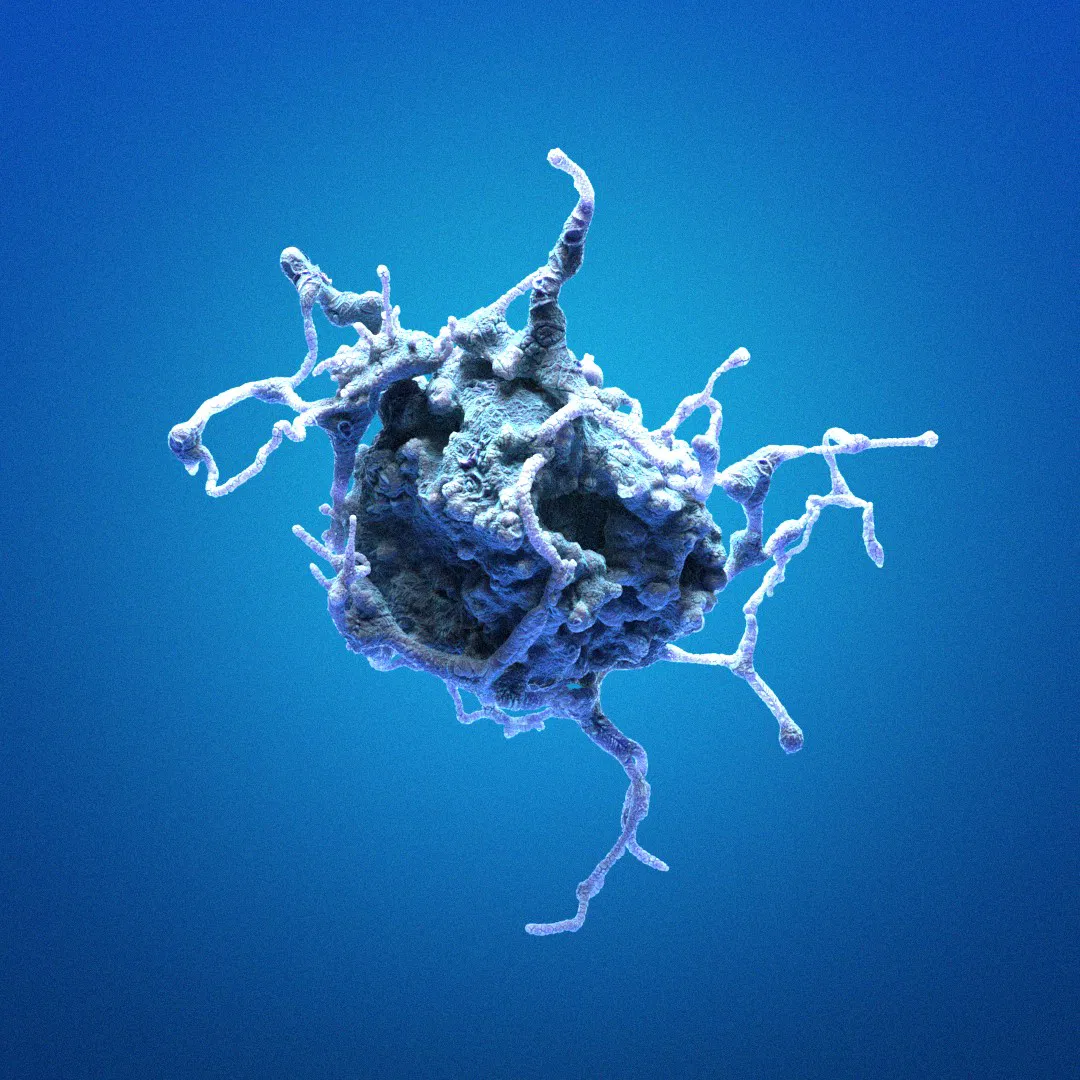

HS-5 Cells
| Unit |
3 x 10^6 cells/ml |
|---|---|
| Cell Type |
Immortalized Cells |
| Tissue Type |
Transformed cell lines |
| Organism |
Human |
| Donor History |
Normal |
| Growth Properties |
Adherent |
| Growth Conditions |
Culture medium: DMEM ,w: 4.5 g/L Glucose ,w: 4 mM L-Glutamine ,w: 3.7 g/L NaHCO3 ,w: 1.0 mM Sodium pyruvate (Cytion article number 820300a). Supplements: Supplement the medium with 10% FBS. Dissociation reagent: Accutase. Freeze medium: As a cryopreservation medium ,we use complete growth medium (including FBS) + 10% DMSO for adequate post-thaw viability ,or CM-1 (Cytion catalog number 800100) ,which includes optimized osmoprotectants and metabolic stabilizers to enhance recovery and reduce cryo-induced stress. Incubation atmosphere: 37°C ,5% CO2 ,humidified atmosphere. |
| Immortalization Method | |
| Full Information |

The HS-5 cell line is a human bone marrow-derived mesenchymal stromal cell (MSC) model commonly used to study the supportive role of stromal cells in hematopoiesis and cancer development. Originally isolated and immortalized via the E6 and E7 human papillomavirus genes, HS-5 cells demonstrate fibroblast-like morphology and are known for secreting a wide array of cytokines and growth factors that are crucial for hematopoietic and immune cell interactions. Notable secreted factors include granulocyte colony-stimulating factor (G-CSF), granulocyte-macrophage colony-stimulating factor (GM-CSF), macrophage-CSF (M-CSF), stem cell factor (SCF), interleukin-6 (IL-6), IL-8, and IL-11, among others. These secretions enable HS-5 cells to sustain the growth and proliferation of hematopoietic progenitor cells in vitro, even under serum-free conditions, highlighting their functional similarity to primary MSCs in hematopoiesis support.
In oncology research, HS-5 cells serve as a model for examining the interactions between MSCs and cancer cells, particularly in studying tumor microenvironment-mediated cancer cell survival, immune modulation, and drug resistance. Studies have shown that HS-5 cells can protect acute myeloid leukemia (AML) cells from apoptosis induced by chemotherapeutic agents like cytarabine (Ara-C) and daunomycin (DNR), potentially through mechanisms involving cytokine signaling and direct cell-cell interactions. This protective effect of HS-5 cells enhances AML cell proliferation and reduces chemotherapy efficacy, making this cell line a valuable tool for modeling drug resistance in the bone marrow microenvironment. Additionally, HS-5 cells express MSC markers such as CD73, CD90, and CD105, though their expression levels may vary compared to primary MSCs.
Furthermore, HS-5 cells have been used to explore novel therapeutic approaches, such as testing the cytotoxic effects of nanomaterials like pristine graphene. Graphene exposure in HS-5 cells has been shown to induce mitochondrial dysfunction and oxidative stress, leading to apoptosis via increased reactive oxygen species (ROS) production and disrupted mitochondrial membrane potential, thereby serving as a model for evaluating nanoparticle toxicity and therapeutic potential in stromal cell interactions within the tumor microenvironment.
Společnost Cytion vznikla v roce 2004 v německém Heidelbergu s jasným vědeckým posláním: dodávat ověřené lidské a zvířecí buněčné linie bez kontaminace, připravené za přísně kontrolovaných laboratorních podmínek.
Postupně se vypracovala ve spolehlivou buněčnou banku, která slouží akademickým laboratořím, biotechnologickým firmám i farmaceutickým výzkumným týmům po celém světě. Klade přitom důraz na reprodukovatelnost výsledků, přísnou kontrolu kvality a dlouhodobá partnerství.