
 Genetika člověka
 Mikrobiologické aplikace
 NGS
NGS Rapid testy
 PCR plasty
 Pipetovací špičky
 Plasty pro buněčnou kultivaci
 Systém pro dlouhodobé skladování vzorků
 Zkumavky
 Třepačky
 Suché lázně
 Centrifugy
 End Point cyclery
 Real-time PCR cyclery
 Fluorometry
 Spektrofotometry
 Izolátory nukleových kyselin
 Pipetovací roboty
 Biobanking
 Live Cell Imaging
 Jednokanálové
 Multikanálové
 Sérologické pipety
 Jednorázové pipety
 Buněčné kultury
 PCR, qPCR, RT
 Detekce Mycoplasmat
 Reverzní transkripce
 Alergie
 Intolerance
 Elisa
Elisa Imunologické analyzátory
 Veterinární imunologie
 Alergie u zvířat
 Intolerance u zvířat
 Biochemie
 Imunoanalýza

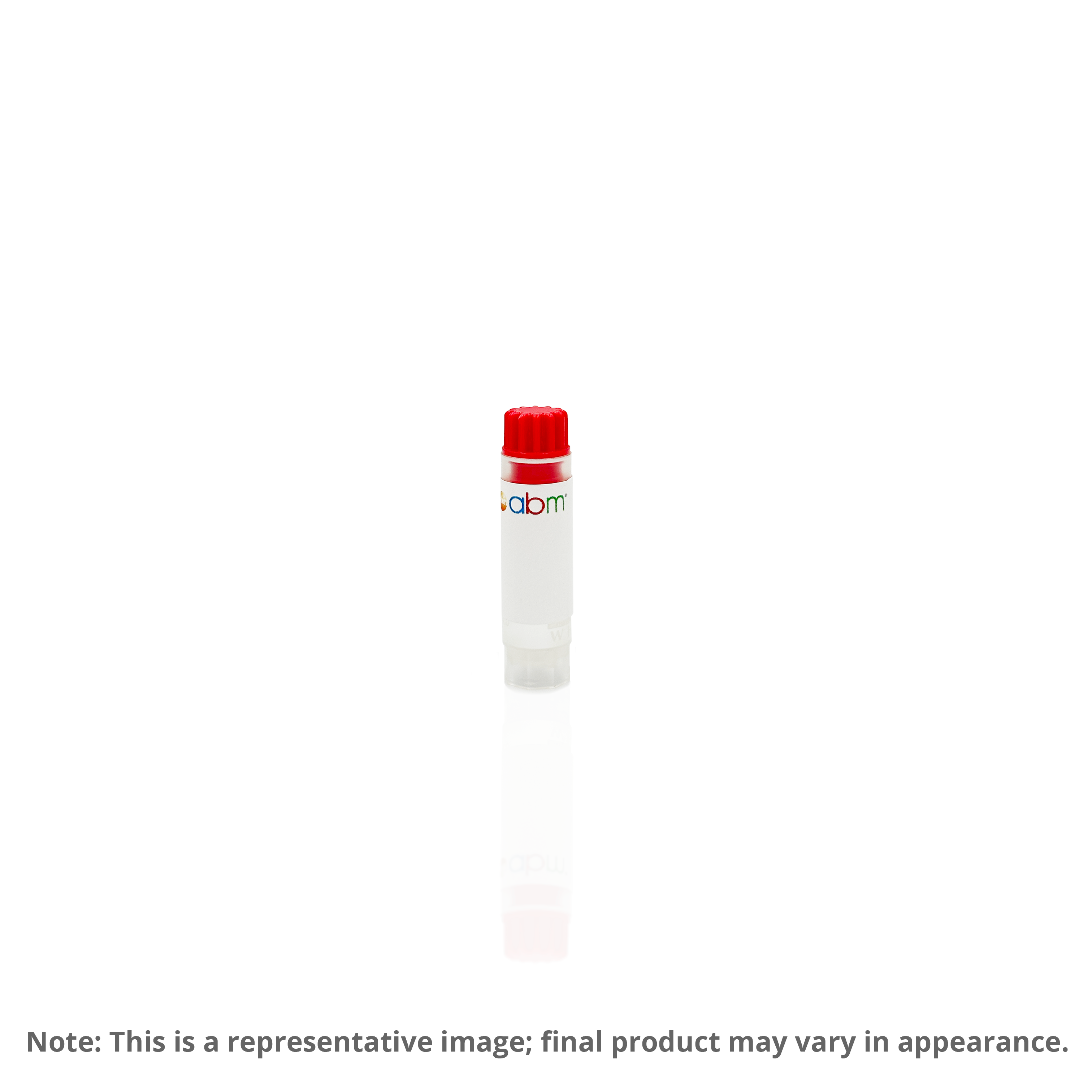

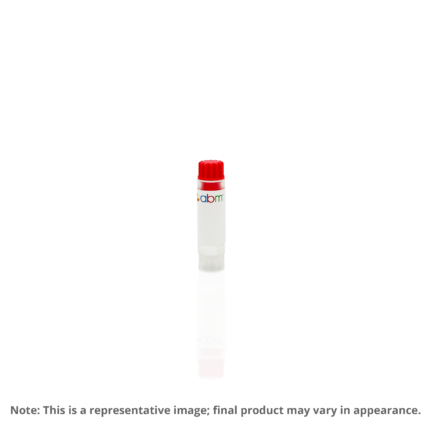
Immortalized Human Corneal Endothelial Cells (IHCE)
| Unit |
1×10⁶ cells / 1.0 ml |
|---|---|
| Cell Type |
Immortalized Cells |
| Tissue Type |
Eye |
| Organism |
Human (H. sapiens) |
| Donor History |
Female |
| Growth Properties |
Adherent ,cobblestone |
| Growth Conditions | |
| Immortalization Method |
Serial passaging and transduction with retroviruses carrying human papillomavirus type 16 E6/E7 gene |
| Full Information |
https://www.abmgood.com/immortalized-human-corneal-endothelial-cells-ihce.html |

The role of the corneal endothelium is to regulate corneal hydration, and dysfunction of this critical cellular layer will gradually result in corneal opacification and eventually results in loss of vision and corneal blindness. Established using the HPV16 E6/E7 genes, The Immortalized Human Corneal Endothelial Cells (IHCE) not only retains its authentic cell biomarkers (CX43, ZO-1 and 9.3E), it also displays fairly disomic cytogenetic status at chromosomes 1, 8, 10 and 18, which is an indication of normal diploid chromosomal status.Together with the Immortalized Human Corneal Keratinocytes (Cat. T0579) and the Immortalized Human Corneal Fibroblasts (Cat. T0578) isolated from the same donor and immortalized using the same platform, this uniform model system presents a valuable tool for studies involving cornea homeostasis and ophthalmologic diseases. RT-PCR was used to evaluate the transgene expression of HPV16 E6/E7.