
 Genetika člověka
 Mikrobiologické aplikace
 NGS
NGS Rapid testy
 PCR plasty
 Pipetovací špičky
 Plasty pro buněčnou kultivaci
 Systém pro dlouhodobé skladování vzorků
 Zkumavky
 Třepačky
 Suché lázně
 Centrifugy
 End Point cyclery
 Real-time PCR cyclery
 Fluorometry
 Spektrofotometry
 Izolátory nukleových kyselin
 Pipetovací roboty
 Biobanking
 Live Cell Imaging
 Jednokanálové
 Multikanálové
 Sérologické pipety
 Jednorázové pipety
 Buněčné kultury
 PCR, qPCR, RT
 Detekce Mycoplasmat
 Reverzní transkripce
 Alergie
 Intolerance
 Elisa
Elisa Imunologické analyzátory
 Veterinární imunologie
 Alergie u zvířat
 Intolerance u zvířat
 Biochemie
 Imunoanalýza

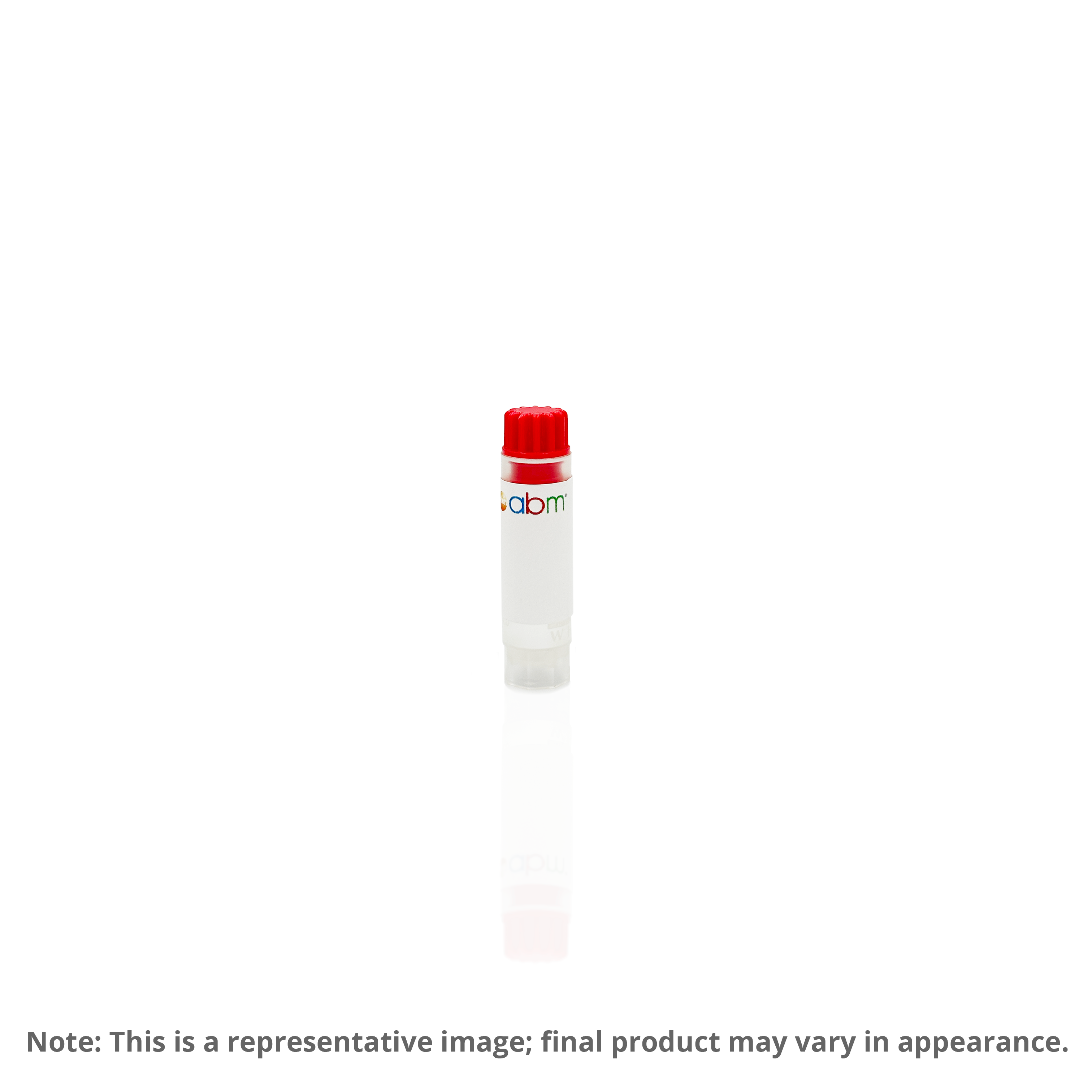

Immortalized Human Endoneurial Endothelial Cells (THEndEC)
| Unit |
1×10⁶ cells / 1.0 ml |
|---|---|
| Cell Type |
Immortalized Cells |
| Tissue Type |
Nerve |
| Organism |
Human (H. sapiens) |
| Donor History |
Not disclosed ,Sciatic Nerve (no history of neurlogical disease) |
| Growth Properties |
Adherent ,spindle-shaped |
| Growth Conditions | |
| Immortalization Method |
Serial passaging and stable transfection with a plamid carrying SV40 Large T antigen. |
| Full Information |
https://www.abmgood.com/immortalized-endoneurial-endothelial-cells-thendec-t0292.html |

As part of the blood-nerve barrier (BNB), the endoneurial endothelial plays a significant role in the regulation of influx and efflux of water, nutrients and xenobiotics that is needed to maintain the peripheral nerve internal microenviroment. The Immortalized Human Endoneurial Endothelial Cells (THEndEC) is a useful model for use in facilitated receptor-mediated in vitro BNB permeability and/or kinetic studies, in addition to susceptibility to drug intoxication research as it retained specialized transporters (i.e. P-gp, γ-GT, LAT-1, CRT and MCT-1) and restrictive barrier function similar to primary endoneurial endothelial cells. The THEndEC has been characterized to show specific binding to UEA-1 lectin and the ability of Dil-Ac-LDL uptake, indicative of α-L-fucose expression and specialized scavenger receptor expression, respectively. Further studies demonstrated transendothelial electrical resistance (TEER) and permeability to fluoresceinated sodium and dextran using THEndEC, making this cell line suitable for peripheral nerve permeability studies as well.