
 Genetika člověka
 Mikrobiologické aplikace
 NGS
NGS Rapid testy
 PCR plasty
 Pipetovací špičky
 Plasty pro buněčnou kultivaci
 Systém pro dlouhodobé skladování vzorků
 Zkumavky
 Třepačky
 Suché lázně
 Centrifugy
 End Point cyclery
 Real-time PCR cyclery
 Fluorometry
 Spektrofotometry
 Izolátory nukleových kyselin
 Pipetovací roboty
 Biobanking
 Live Cell Imaging
 Jednokanálové
 Multikanálové
 Sérologické pipety
 Jednorázové pipety
 Buněčné kultury
 PCR, qPCR, RT
 Detekce Mycoplasmat
 Reverzní transkripce
 Alergie
 Intolerance
 Elisa
Elisa Imunologické analyzátory
 Veterinární imunologie
 Alergie u zvířat
 Intolerance u zvířat
 Biochemie
 Imunoanalýza

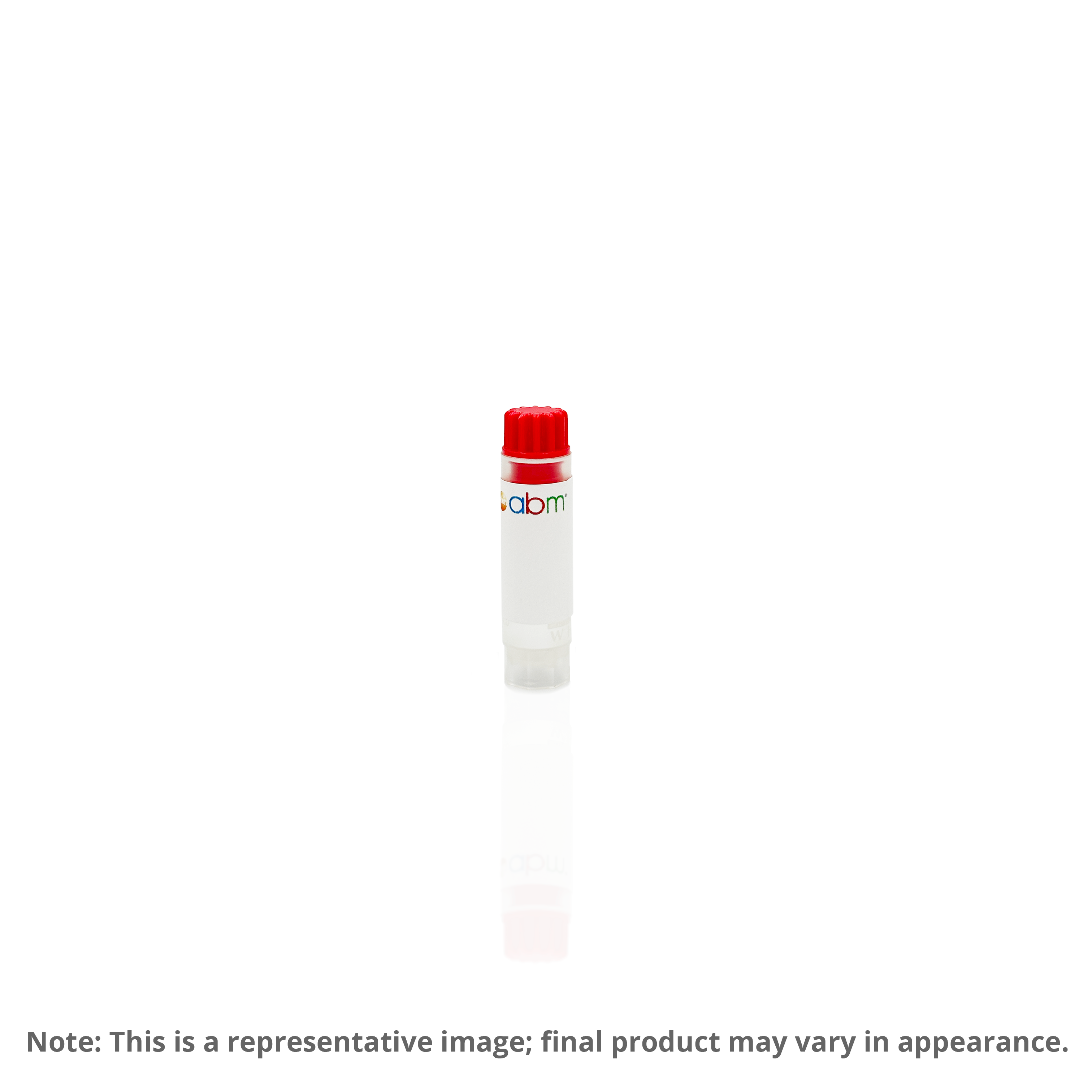

Immortalized Mouse Proximal Caput Epididymal Epithelial Cell Line (PC1)
| Unit |
1×10⁶ cells / 1.0 ml |
|---|---|
| Cell Type |
Immortalized Cells |
| Tissue Type |
Testes |
| Organism |
Mouse (M. musculus) |
| Donor History |
10-12 weeks old tsSV40 transgenic mouse ,Caput epididymis |
| Growth Properties |
Adherent ,polygonal |
| Growth Conditions | |
| Immortalization Method |
Isolated from a transgenic mouse carrying a temperature-sensitive simian virus 40 large T tumor antigen. |
| Full Information |
https://www.abmgood.com/immortalized-mouse-proximal-caput-epididymal-epithelial-cell-line-pc1.html |

PC1 is a conditionally immortalized mouse epididymal epithelial cell line isolated from the proximal caput of the mouse harbouring a temperature-sensitive simian virus 40 large T antigen. The epididymal epithelium plays an important role in male fertility by supporting sperm motility, maturation and viability. Owing to the changing microenvironment created by different sections of the epididymis, the spermatozoa matures as they passage through the convoluted tubule. The functional expression of the SV40 large T antigen is induced by culturing the cells in vitro at permissive temperature (33°C). At non-permissive temperatures (37°C-39°C), the cells cease to proliferate. PC1 expresses androgen receptor as well as markers of the murine epididymal epithelium, PEB-like protein (i.e. phosphatidylethanolamine binding protein), E-RABP (i.e. epididymal retinoic acid-binding protein), and EP17 (i.e. epididymal protein of 17 kd). Together with the Immortalized Mouse Distal Caput Epididymal Epithelial Cell Line (DC2) (Cat. No. T0599), these cells are useful in studying the regulation of tissue-specific gene expression and epididymal specific proteins in the epididymis. Immunocytochemistry, western blot and RT-PCR were used to confirm expression of markers.Additional cell lines from this panel:Cat. T0599 – Immortalized Mouse Distal Caput Epididymal Epithelial Cell Line (DC2)Note: both cell lines are from the caput of the epididymis but differ in their region of isolation within the caput (proximal vs distal).