
 Genetika člověka
 Mikrobiologické aplikace
 NGS
NGS Rapid testy
 PCR plasty
 Pipetovací špičky
 Plasty pro buněčnou kultivaci
 Systém pro dlouhodobé skladování vzorků
 Zkumavky
 Třepačky
 Suché lázně
 Centrifugy
 End Point cyclery
 Real-time PCR cyclery
 Fluorometry
 Spektrofotometry
 Izolátory nukleových kyselin
 Pipetovací roboty
 Biobanking
 Live Cell Imaging
 Jednokanálové
 Multikanálové
 Sérologické pipety
 Jednorázové pipety
 Buněčné kultury
 PCR, qPCR, RT
 Detekce Mycoplasmat
 Reverzní transkripce
 Alergie
 Intolerance
 Elisa
Elisa Imunologické analyzátory
 Veterinární imunologie
 Alergie u zvířat
 Intolerance u zvířat
 Biochemie
 Imunoanalýza
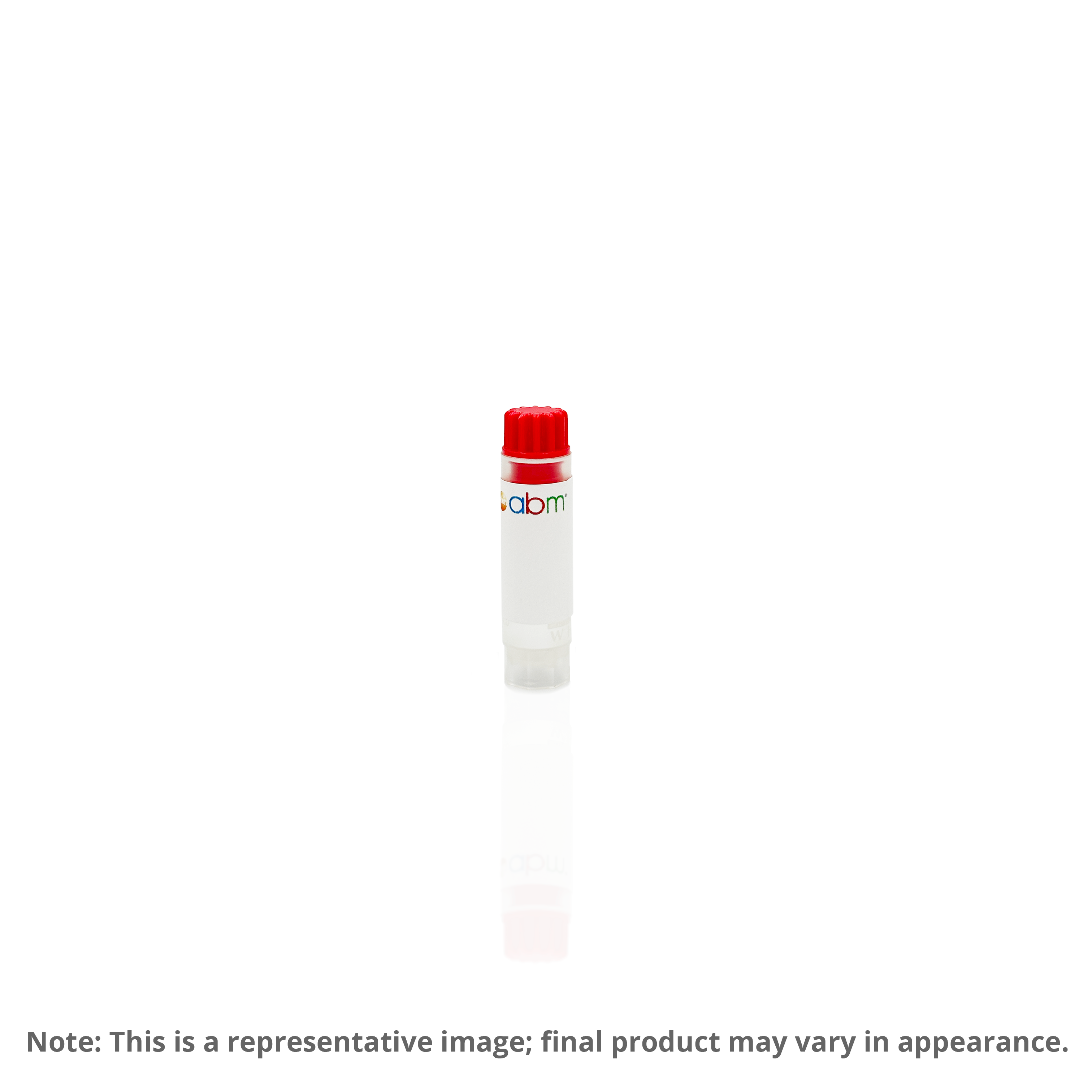

Immortalized Rat Enteroglial Cells (EGC)
| Unit |
1×10⁶ cells / 1.0 ml |
|---|---|
| Cell Type |
Immortalized Cells |
| Tissue Type |
Brain |
| Organism |
Rat (R. norvegicus) |
| Donor History |
Sprague-Dawley Rat ,Male |
| Growth Properties |
Adherent ,stellate shaped |
| Growth Conditions |
Use of PriCoat™ T25 Flasks (G299) or Applied Cell Extracellular Matrix (G422) is required for cell adhesion to the culture vessels. PriGrow III (TM003) + 5% FBS + 1% Penicillin/Streptomycin Solution (G255) ,37.0°C ,5% CO₂ |
| Immortalization Method |
Serial passaging and infection by incubating with the supernatant of virus-producing GPE-egfr-neu cell line |
| Full Information |
https://www.abmgood.com/immortalized-rat-enteroglial-cells-egc.html |
Enteroglial cells (EGCs) have a key role in the inflammatory response in the enteric nervous system which is structurally and functionally the largest and most diverse in complexity part of the peripheral nervous system. The Immortalized Rat Enteroglial Cells (EGC) is a valuable tool for studies in the enteric nervous system inflammatory response as it is an immortalized cell line established from the rat myenteric plexus. The cells express low levels of c-fos mRNA but can be up-regulated with stimuli from pro-inflammatory cytokines (IL-1β and TNF-α).Characterized by immunohistochemistry and dot-blot analysis.