
 Genetika člověka
 Mikrobiologické aplikace
 NGS
NGS Rapid testy
 PCR plasty
 Pipetovací špičky
 Plasty pro buněčnou kultivaci
 Systém pro dlouhodobé skladování vzorků
 Zkumavky
 Třepačky
 Suché lázně
 Centrifugy
 End Point cyclery
 Real-time PCR cyclery
 Fluorometry
 Spektrofotometry
 Izolátory nukleových kyselin
 Pipetovací roboty
 Biobanking
 Live Cell Imaging
 Jednokanálové
 Multikanálové
 Sérologické pipety
 Jednorázové pipety
 Buněčné kultury
 PCR, qPCR, RT
 Detekce Mycoplasmat
 Reverzní transkripce
 Alergie
 Intolerance
 Elisa
Elisa Imunologické analyzátory
 Veterinární imunologie
 Alergie u zvířat
 Intolerance u zvířat
 Biochemie
 Imunoanalýza

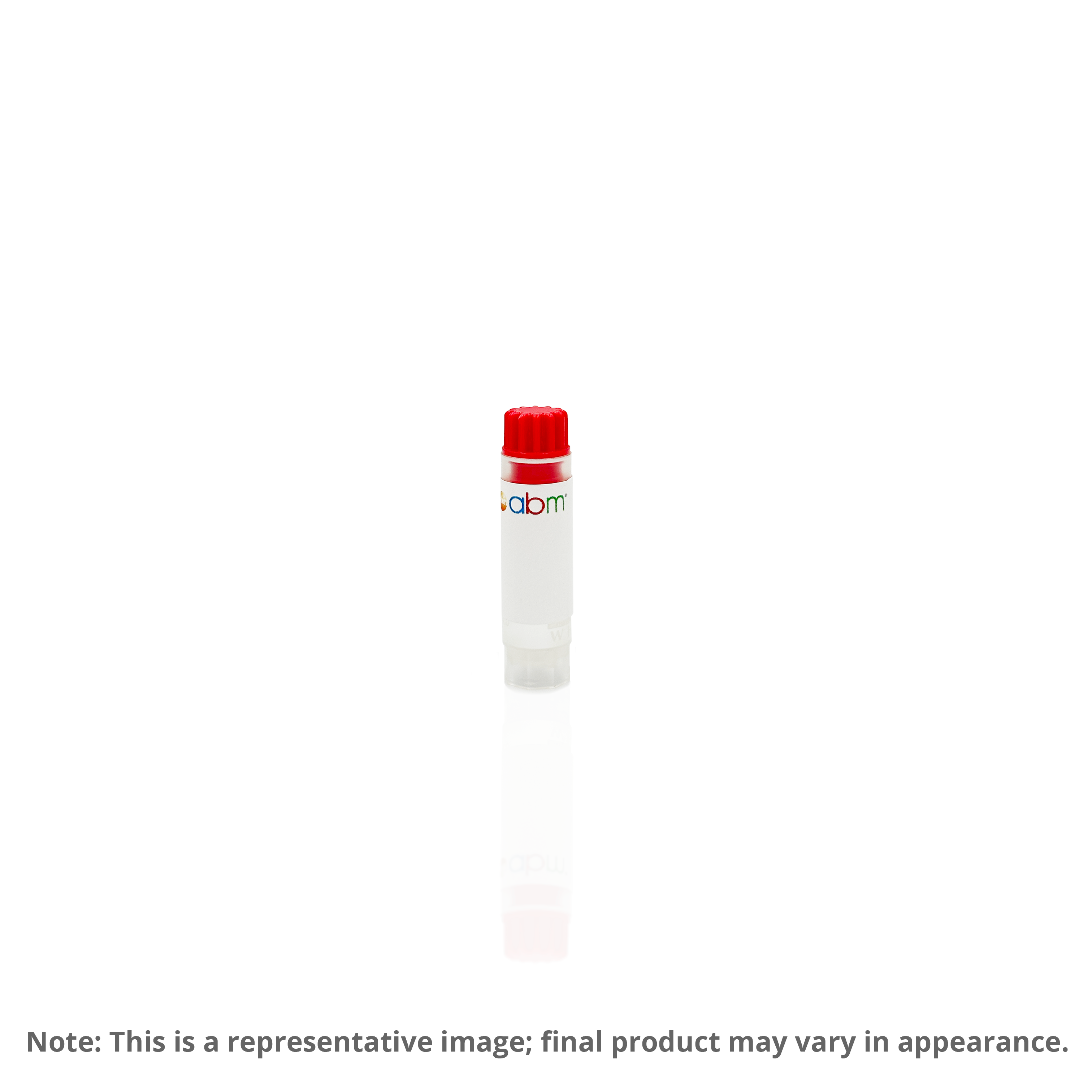

IP6K1(-/-) Stable HCT116 Cell Line
| Unit |
1×10⁶ cells / 1 ml |
|---|---|
| Cell Type |
Stable (KO/Expressing) Cells |
| Tissue Type |
Colon |
| Organism |
Human (H. sapiens) |
| Donor History |
Male ,48 ,Caucasian ,Colorectal carcinoma |
| Growth Properties |
Adherent ,epithelial |
| Growth Conditions |
PriCoat™ T25 Flasks (G299) or Applied Cell Extracellular Matrix (G422) are recommended for optimal cell culture. Dulbecco's Modified Eagle Medium (DMEM) ,High Glucose (TM500) + 10% FBS + 1% Penicillin/Streptomycin Solution (G255) ,37.0°C ,5% CO₂. |
| Immortalization Method | |
| Full Information |

To study the role that PP-IPs play in mammalian phosphate homeostasis researchers generated cells devoid of this small molecule. CRISPR was used to create a cell line without PP-IPs. IP6K1-/- line did not have significantly less IP7 than WT (wildtype). IP6K3 is expressed mainly in muscle cells and the cell lines tested were not muscle-derived and contained no or a very low amount of IP6K3 mRNA. Hence they chose human colon carcinoma cell line HCT116 as it is near-diploid and expresses IP6K1 and IP6K2 only and has easily detectable levels of IP7 and IP8.