Genetika člověka
 Mikrobiologické aplikace
 NGS
 Rapid testy

 PCR plasty
 Pipetovací špičky
 Plasty pro buněčnou kultivaci
 Systém pro dlouhodobé skladování vzorků
 Zkumavky

 Třepačky
 Suché lázně
 Centrifugy
 End Point cyclery
 Real-time PCR cyclery
 Fluorometry
 Spektrofotometry
 Izolátory nukleových kyselin
 Pipetovací roboty
 Biobanking
 Live Cell Imaging

 Jednokanálové
 Multikanálové
 Sérologické pipety
 Jednorázové pipety

 Buněčné kultury
 PCR, qPCR, RT
 Detekce Mycoplasmat
 Reverzní transkripce

 Alergie
 Intolerance
 Elisa
 Imunologické analyzátory
 Veterinární imunologie
 Alergie u zvířat
 Intolerance u zvířat

 Čtečky identifikačních čipů
 Termočipy
 Biochemie
 Imunoanalýza


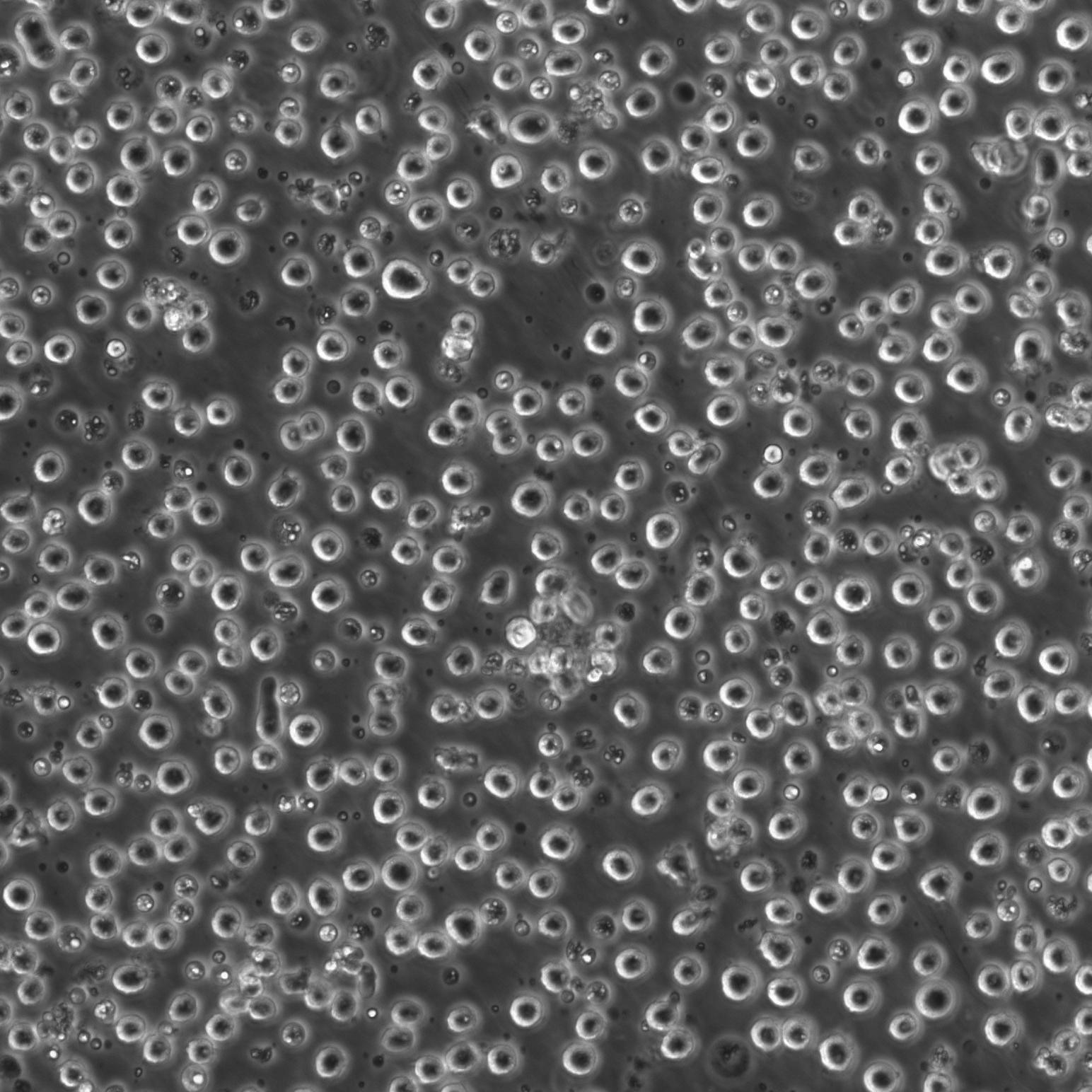

MDS-L Cells
| Unit |
5 x 10^6 cells/ml |
|---|---|
| Cell Type |
Tumor Cells |
| Tissue Type |
Bone cancer cell lines |
| Organism |
Human |
| Donor History |
Myelodysplastic syndrome |
| Growth Properties |
Suspension |
| Growth Conditions |
Culture medium: RPMI 1640 ,w: 2.0 mM stable Glutamine ,w: 2.0 g/L NaHCO3 (Cytion article number 820700a). Supplements: Supplement the medium with 10% FBS and 20 ng/ml IL-3 human recombinant. Freeze medium: As a cryopreservation medium ,we use complete growth medium (including FBS) + 10% DMSO for adequate post-thaw viability ,or CM-1 (Cytion catalog number 800100) ,which includes optimized osmoprotectants and metabolic stabilizers to enhance recovery and reduce cryo-induced stress. Incubation atmosphere: 37°C ,5% CO2 ,humidified atmosphere. |
| Immortalization Method | |
| Full Information |

MDS-L is a human myelodysplastic syndrome (MDS)-derived cell line originally established from the MDS92 cell line, which itself was derived from the bone marrow of a patient with MDS exhibiting a del(5q) chromosomal abnormality. While MDS92 contained a heterogeneous mix of myeloid cells at varying stages of differentiation, MDS-L represents a blastic subline with more uniform features characteristic of immature myeloid progenitor cells. MDS-L retains interleukin-3 (IL-3) dependency for proliferation in vitro, mirroring the cytokine sensitivity seen in primary MDS progenitor cells. The line harbors multiple genetic alterations, including homozygous TP53 mutations and additional acquired mutations in NRAS and CEBPA. These alterations collectively reflect the clonal evolution and leukemic transformation potential typical of high-risk MDS.
MDS-L has been widely used as a model to investigate the molecular mechanisms underlying MDS pathogenesis, differentiation block, and therapeutic resistance. One significant finding using MDS-L was the demonstration that forced expression of granulocyte colony-stimulating factor receptor (G-CSFR) via retroviral transduction enabled granulocytic differentiation upon G-CSF stimulation. This was evidenced by morphological changes, increased CD11b expression, and enhanced nitroblue tetrazolium (NBT) reduction activity-indicative of terminal granulocyte maturation. These results revealed the intrinsic capacity of MDS-L to differentiate if the appropriate signaling components are restored, offering insights into potential gene therapy approaches targeting differentiation defects in MDS.
In addition to genetic and functional studies, MDS-L has been instrumental in characterizing the role of histone modifications in disease progression. Notably, the histone H3-K27M mutation, commonly associated with pediatric gliomas but rare in hematologic malignancies, was identified in MDS-L and found to inhibit EZH2-mediated histone methylation. This epigenetic alteration led to widespread reduction in H3-K27 methylation and was linked to altered expression of tumor suppressor genes such as p16. MDS-L sublines with or without this mutation-derived through differential IL-3 culture conditions-have further allowed exploration of epigenetic heterogeneity within MDS and its implications for IL-3-dependent growth and therapeutic response. These unique properties make MDS-L a powerful in vitro and in vivo model for studying the molecular evolution and therapeutic targeting of MDS and its transformation into acute myeloid leukemia.
Společnost Cytion vznikla v roce 2004 v německém Heidelbergu s jasným vědeckým posláním: dodávat ověřené lidské a zvířecí buněčné linie bez kontaminace, připravené za přísně kontrolovaných laboratorních podmínek.
Postupně se vypracovala ve spolehlivou buněčnou banku, která slouží akademickým laboratořím, biotechnologickým firmám i farmaceutickým výzkumným týmům po celém světě. Klade přitom důraz na reprodukovatelnost výsledků, přísnou kontrolu kvality a dlouhodobá partnerství.