
 Genetika člověka
 Mikrobiologické aplikace
 NGS
NGS Rapid testy
 PCR plasty
 Pipetovací špičky
 Plasty pro buněčnou kultivaci
 Systém pro dlouhodobé skladování vzorků
 Zkumavky
 Třepačky
 Suché lázně
 Centrifugy
 End Point cyclery
 Real-time PCR cyclery
 Fluorometry
 Spektrofotometry
 Izolátory nukleových kyselin
 Pipetovací roboty
 Biobanking
 Live Cell Imaging
 Jednokanálové
 Multikanálové
 Sérologické pipety
 Jednorázové pipety
 Buněčné kultury
 PCR, qPCR, RT
 Detekce Mycoplasmat
 Reverzní transkripce
 Alergie
 Intolerance
 Elisa
Elisa Imunologické analyzátory
 Veterinární imunologie
 Alergie u zvířat
 Intolerance u zvířat
 Biochemie
 Imunoanalýza
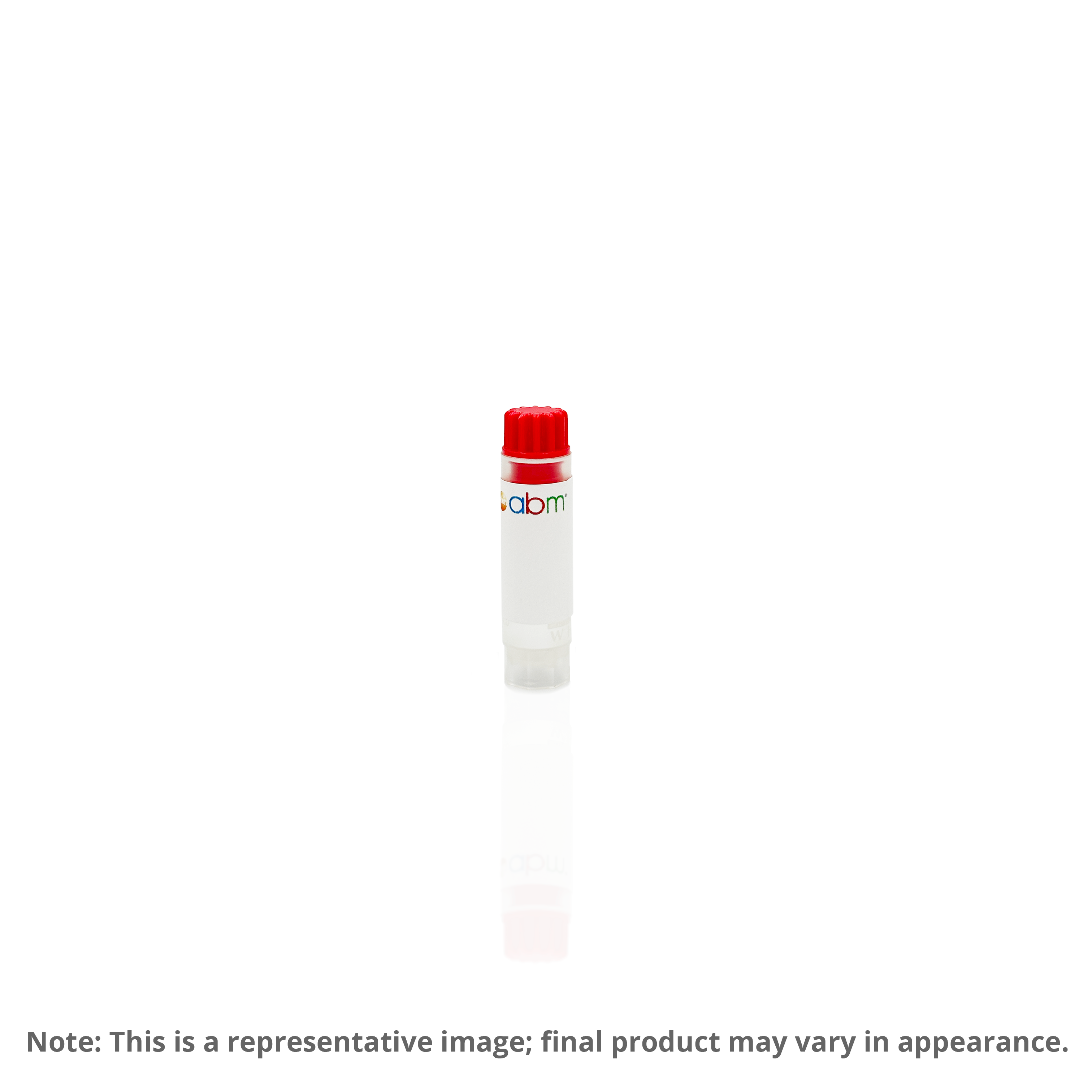

Stable GS-3A4-HepG2 Cell Line
| Unit |
1×10⁶ cells / 1.0 ml |
|---|---|
| Cell Type |
Stable (KO/Expressing) Cells |
| Tissue Type |
Liver |
| Organism |
Human (H. sapiens) |
| Donor History |
Male ,15 ,White ,Hepatocellular carcinoma |
| Growth Properties |
Adherent ,epithelial-like |
| Growth Conditions |
Use of PriCoat™ T25 Flasks (G299) or Applied Cell Extracellular Matrix (G422) is required for cell adhesion to the culture vessels. Mix 1:1 PriGrow II (TM002) and PriGrow IV (TM004) + 10% dialyzed FBS + 1% Penicillin/Streptomycin Solution (G255) ,37.0°C ,5% CO₂ |
| Immortalization Method | |
| Full Information |
The parental cell line of GS-3A4-HepG2 (HepG2) was derived from a human hepatoma and was transformed with a vector containing the Glutamine Synthetase gene allowing for ammonia metabolism and the 3A4 gene for drug metabolism. This transformation allows for activity in the immortalized cell line that is similar to primary hepatocytes but with a greater ability to metabolise drugs (3A4 activity). This cell line is highly functional in long term culture and therefore ideal for continuous research into liver function and metabolism. Previous studies have explored the cell lines use into bioartificial liver support systems. These systems are new technologies being developed to treat cases of liver damage where function needs to be supported during liver regeneration. The GS-3A4-HepG2 cell line may be particularly useful to metabolism drugs during long term experiments.