Genetika člověka
 Mikrobiologické aplikace
 NGS
 Rapid testy

 PCR plasty
 Pipetovací špičky
 Plasty pro buněčnou kultivaci
 Systém pro dlouhodobé skladování vzorků
 Zkumavky

 Třepačky
 Suché lázně
 Centrifugy
 End Point cyclery
 Real-time PCR cyclery
 Fluorometry
 Spektrofotometry
 Izolátory nukleových kyselin
 Pipetovací roboty
 Biobanking
 Live Cell Imaging

 Jednokanálové
 Multikanálové
 Sérologické pipety
 Jednorázové pipety

 Buněčné kultury
 PCR, qPCR, RT
 Detekce Mycoplasmat
 Reverzní transkripce

 Alergie
 Intolerance
 Elisa
 Imunologické analyzátory
 Veterinární imunologie
 Alergie u zvířat
 Intolerance u zvířat

 Čtečky identifikačních čipů
 Termočipy
 Biochemie
 Imunoanalýza


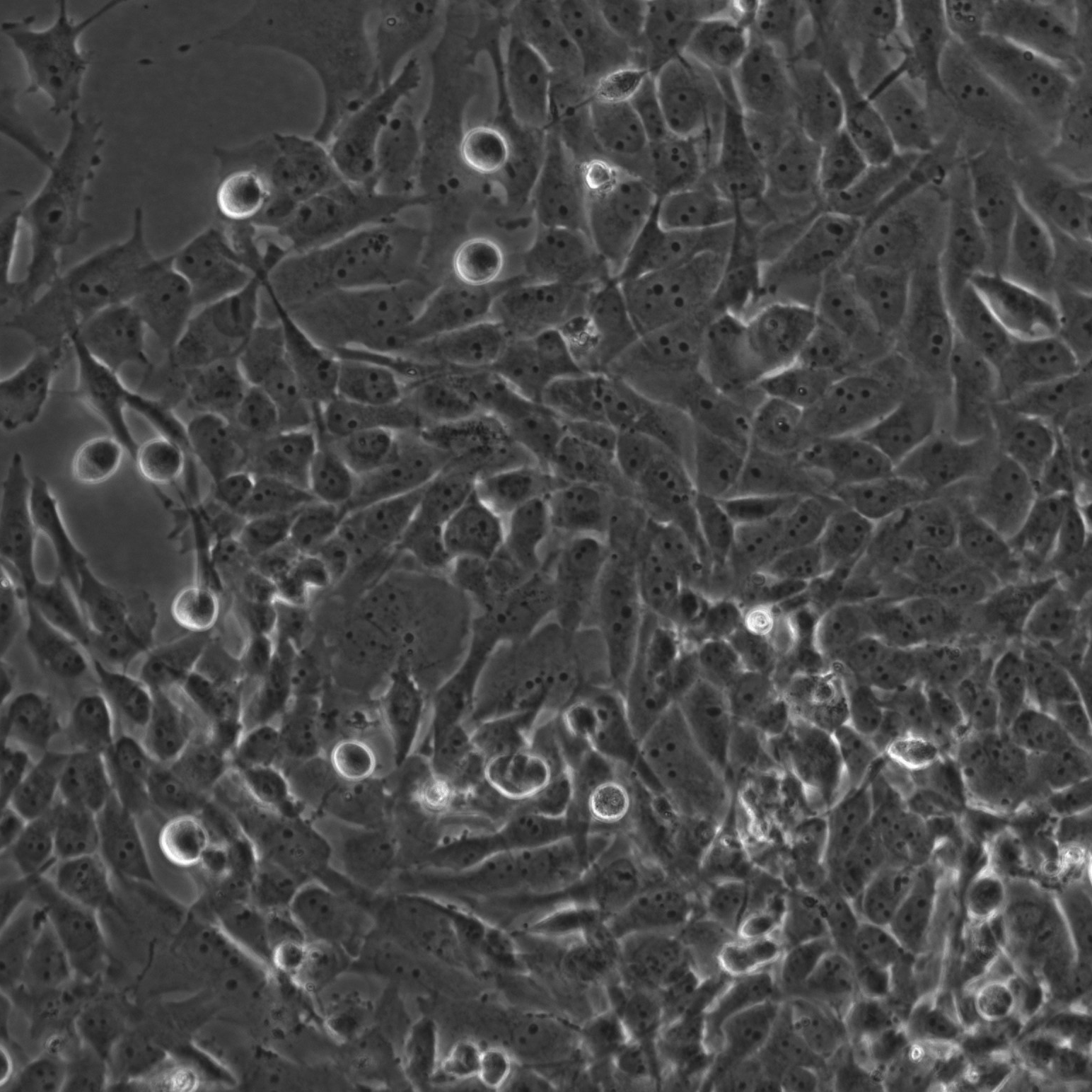

SW1271 Cells
| Unit |
3 x 10^6 cells/ml |
|---|---|
| Cell Type |
Tumor Cells |
| Tissue Type |
Lung cancer cell lines |
| Organism |
Human |
| Donor History |
Lung small cell carcinoma |
| Growth Properties |
Adherent |
| Growth Conditions |
Culture medium: DMEM:Ham's F12 (1:1) ,w: 3.1 g/L Glucose ,w: 2.5 mM L-Glutamine ,w: 15 mM HEPES ,w: 0.5 mM Sodium pyruvate ,w: 1.2 g/L NaHCO3 (Cytion article number 820400a). Supplements: Supplement the medium with 10% FBS ,AB ,5µg/mL Insulin. Dissociation reagent: Accutase. Freeze medium: As a cryopreservation medium ,we use complete growth medium (including FBS) + 10% DMSO for adequate post-thaw viability ,or CM-1 (Cytion catalog number 800100) ,which includes optimized osmoprotectants and metabolic stabilizers to enhance recovery and reduce cryo-induced stress. Incubation atmosphere: 37°C ,5% CO2 ,humidified atmosphere. |
| Immortalization Method | |
| Full Information |

The SW1271 cell line is a human small cell lung carcinoma (SCLC) model derived from an adult patient. It is characterized by its neuroendocrine phenotype, which is typical of SCLC, and displays molecular features relevant to therapeutic sensitivity and resistance. In a comprehensive epigenome-wide methylation analysis of SCLC cell lines, including SW1271, the line exhibited specific DNA methylation patterns that correlated with chemosensitivity to several classes of anticancer drugs. These included Aurora kinase inhibitors, CDK inhibitors, and DNA-damaging agents. The methylation status of key genes such as TREX1, SLFN11, CEP350, and KDM1A in SW1271 and other SCLC models has been associated with altered drug response, implicating epigenetic modulation as a determinant of therapeutic efficacy.
Furthermore, SW1271 has been used in integrated genomic and epigenomic studies to understand subtype-specific vulnerabilities in SCLC. This cell line, along with others representing different SCLC transcriptional subtypes (ASCL1, NEUROD1, POU2F3, and YAP1), helps delineate the heterogeneity within the disease. The methylation profile of SW1271 contributes to our understanding of the regulatory mechanisms affecting gene expression and drug response, including suppression of tumor suppressor genes and dysregulation of lineage-specific transcription factors. These insights position SW1271 as a valuable model for investigating epigenetically driven pathways in SCLC and for identifying potential biomarkers and therapeutic targets.
Společnost Cytion vznikla v roce 2004 v německém Heidelbergu s jasným vědeckým posláním: dodávat ověřené lidské a zvířecí buněčné linie bez kontaminace, připravené za přísně kontrolovaných laboratorních podmínek.
Postupně se vypracovala ve spolehlivou buněčnou banku, která slouží akademickým laboratořím, biotechnologickým firmám i farmaceutickým výzkumným týmům po celém světě. Klade přitom důraz na reprodukovatelnost výsledků, přísnou kontrolu kvality a dlouhodobá partnerství.