Genetika člověka
 Mikrobiologické aplikace
 NGS
 Rapid testy

 PCR plasty
 Pipetovací špičky
 Plasty pro buněčnou kultivaci
 Systém pro dlouhodobé skladování vzorků
 Zkumavky

 Třepačky
 Suché lázně
 Centrifugy
 End Point cyclery
 Real-time PCR cyclery
 Fluorometry
 Spektrofotometry
 Izolátory nukleových kyselin
 Pipetovací roboty
 Biobanking
 Live Cell Imaging

 Jednokanálové
 Multikanálové
 Sérologické pipety
 Jednorázové pipety

 Buněčné kultury
 PCR, qPCR, RT
 Detekce Mycoplasmat
 Reverzní transkripce

 Alergie
 Intolerance
 Elisa
 Imunologické analyzátory
 Veterinární imunologie
 Alergie u zvířat
 Intolerance u zvířat

 Čtečky identifikačních čipů
 Termočipy
 Biochemie
 Imunoanalýza


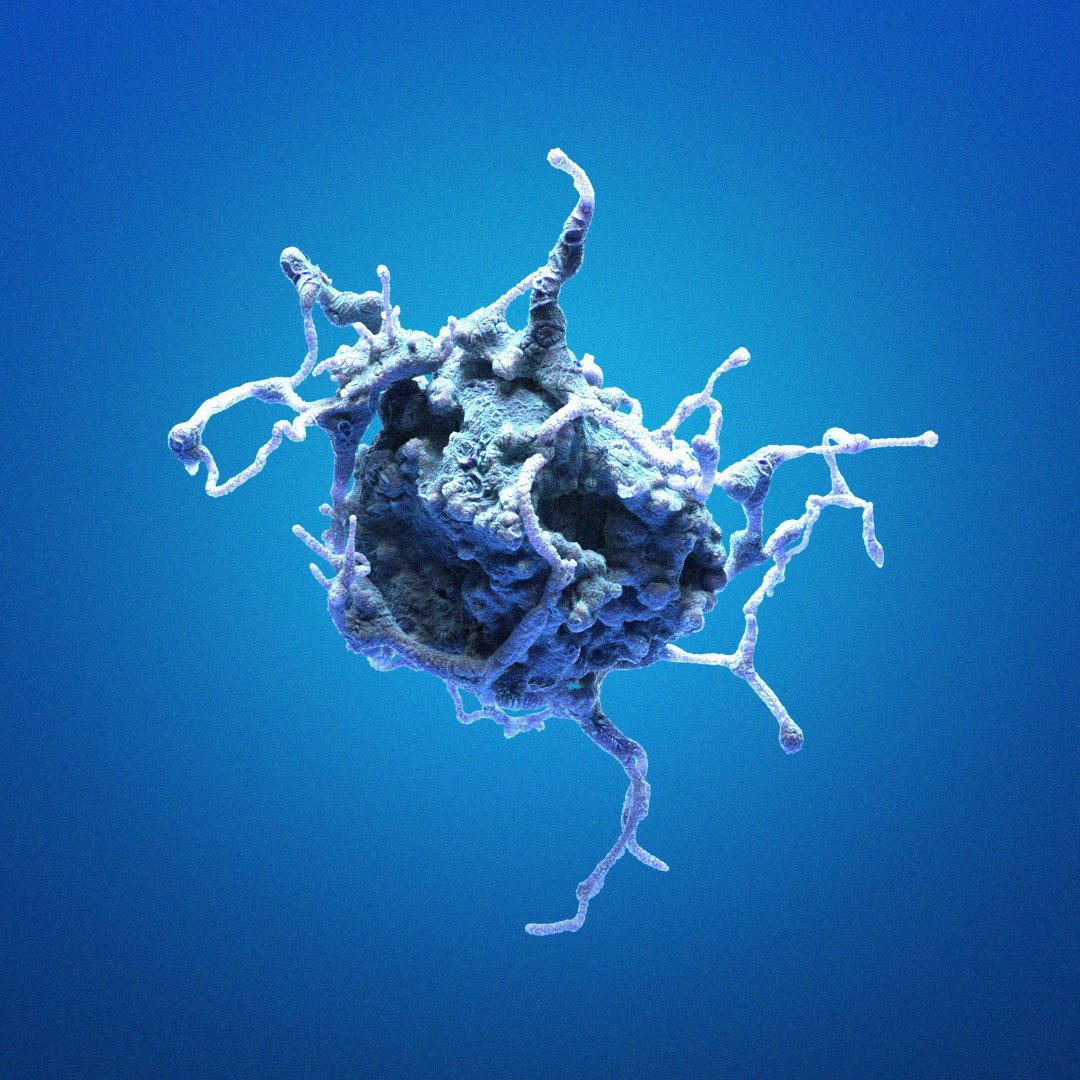

U2OS-CRISPR-SNAPf-SEH1 Cells
| Unit |
3 x 10^6 cells/ml |
|---|---|
| Cell Type |
Stable (KO/Expressing) Cells |
| Tissue Type |
Reporter-labeled cells |
| Organism |
Human |
| Donor History |
Osteosarcoma |
| Growth Properties |
Adherent |
| Growth Conditions |
Culture medium: McCoys 5a ,w: 3.0 g/L Glucose ,w: stable Glutamine ,w: 2.0 mM Sodium pyruvate ,w: 2.2 g/L NaHCO3 (Cytion article number 820200a). Supplements: Supplement the medium with 10% FBS ,3.0 g/L Glucose ,stable Glutamine ,2.0 mM Sodium pyruvate ,2.2 g/L NaHCO3 ,1% NEAA. Dissociation reagent: Accutase. Seeding density: 1 to 3 × 10⁴ cells/cm². Freeze medium: As a cryopreservation medium ,we use complete growth medium (including FBS) + 10% DMSO for adequate post-thaw viability ,or CM-1 (Cytion catalog number 800100) ,which includes optimized osmoprotectants and metabolic stabilizers to enhance recovery and reduce cryo-induced stress. Incubation atmosphere: 37°C ,5% CO2 ,humidified atmosphere. |
| Immortalization Method | |
| Full Information |

U2OS-CRISPR-SNAPf-SEH1 is a genome-edited human osteosarcoma cell line derived from U2OS cells in which the endogenous SEH1L (SEH1) gene has been modified using CRISPR/Cas9 technology to encode an in-frame SNAPf tag. SEH1 is a component of the Y-complex (also known as the NUP107-160 complex), a core structural module of the nuclear pore complex (NPC) that contributes to pore scaffold assembly and stability. By inserting the SNAPf coding sequence at the endogenous locus, the tagged SEH1 protein is expressed under native regulatory control, preserving physiological expression levels and minimizing perturbations to nuclear pore composition.
The SNAPf tag is an engineered, fast-reacting variant of the SNAP-tag that covalently binds benzylguanine-conjugated substrates, allowing selective and stable fluorescent labeling in live or fixed cells. In U2OS-CRISPR-SNAPf-SEH1 cells, the fusion protein localizes to the nuclear envelope in a punctate pattern characteristic of NPC distribution. Because labeling occurs at endogenous protein levels, this system is well suited for quantitative fluorescence microscopy, super-resolution imaging, and single-particle tracking analyses aimed at dissecting NPC organization and stoichiometry. The flat morphology and large nuclei of U2OS cells further facilitate high-resolution visualization of nuclear envelope structures.
SEH1 participates in NPC biogenesis and has also been implicated in kinetochore-associated processes during mitosis. Accordingly, this cell line provides a robust platform for investigating cell cycle-dependent NPC assembly and disassembly, spatial organization of the Y-complex within the pore scaffold, and potential dual roles of SEH1 at the nuclear envelope and mitotic kinetochores. U2OS-CRISPR-SNAPf-SEH1 enables mechanistic studies of nuclear pore architecture and dynamics under physiologically relevant expression conditions.
Společnost Cytion vznikla v roce 2004 v německém Heidelbergu s jasným vědeckým posláním: dodávat ověřené lidské a zvířecí buněčné linie bez kontaminace, připravené za přísně kontrolovaných laboratorních podmínek.
Postupně se vypracovala ve spolehlivou buněčnou banku, která slouží akademickým laboratořím, biotechnologickým firmám i farmaceutickým výzkumným týmům po celém světě. Klade přitom důraz na reprodukovatelnost výsledků, přísnou kontrolu kvality a dlouhodobá partnerství.