Genetika člověka
 Mikrobiologické aplikace
 NGS
 Rapid testy

 PCR plasty
 Pipetovací špičky
 Plasty pro buněčnou kultivaci
 Systém pro dlouhodobé skladování vzorků
 Zkumavky

 Třepačky
 Suché lázně
 Centrifugy
 End Point cyclery
 Real-time PCR cyclery
 Fluorometry
 Spektrofotometry
 Izolátory nukleových kyselin
 Pipetovací roboty
 Biobanking
 Live Cell Imaging

 Jednokanálové
 Multikanálové
 Sérologické pipety
 Jednorázové pipety

 Buněčné kultury
 PCR, qPCR, RT
 Detekce Mycoplasmat
 Reverzní transkripce

 Alergie
 Intolerance
 Elisa
 Imunologické analyzátory
 Veterinární imunologie
 Alergie u zvířat
 Intolerance u zvířat

 Čtečky identifikačních čipů
 Termočipy
 Biochemie
 Imunoanalýza


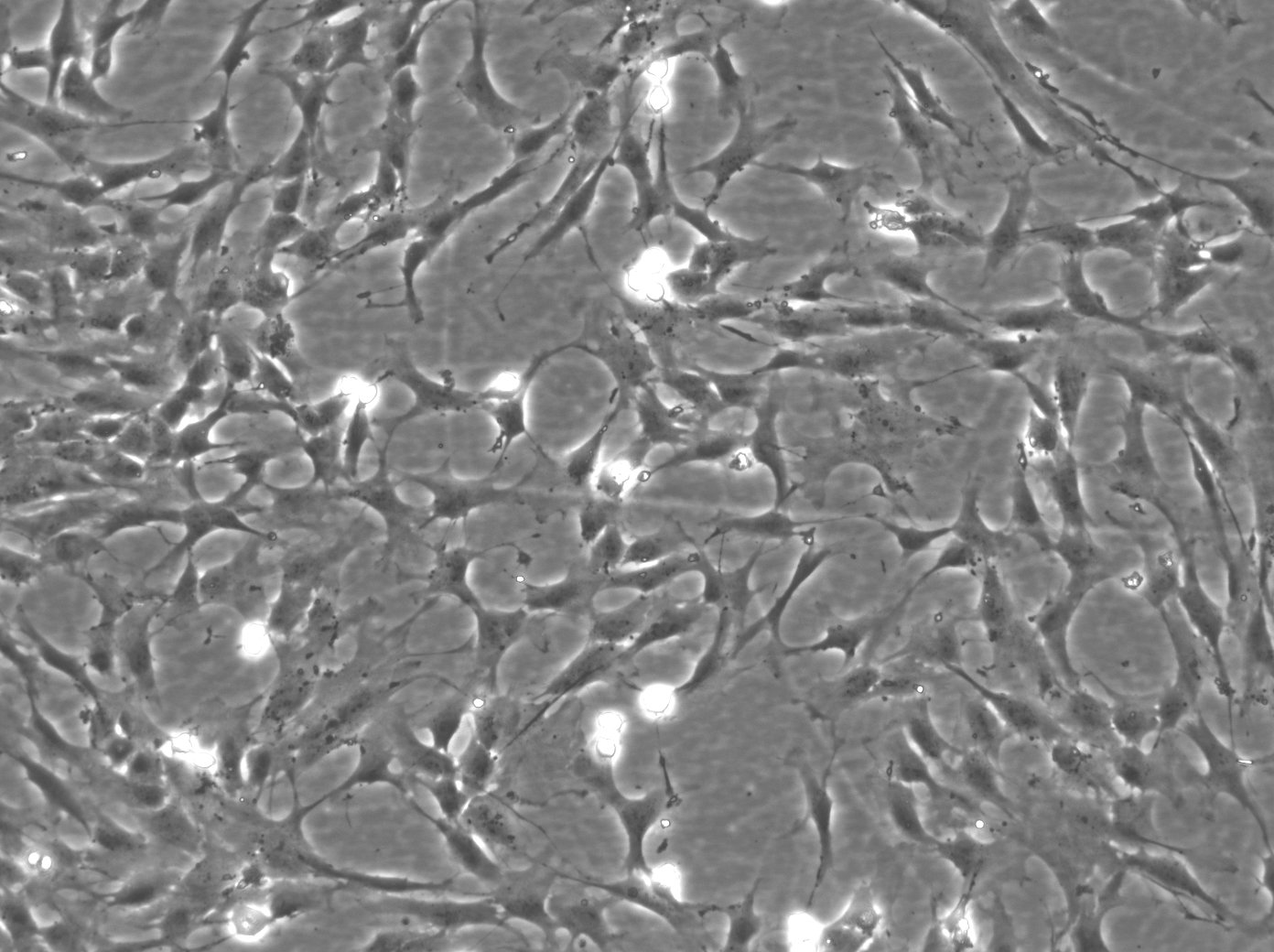

Wilms3 Cells
| Unit |
3 x 10^6 cells/ml |
|---|---|
| Cell Type |
Tumor Cells |
| Tissue Type |
Kidney cancer cell lines |
| Organism |
Human |
| Donor History |
Wilms tumor |
| Growth Properties |
Adherent |
| Growth Conditions |
Culture medium: MSCGM kit (from Lonza). Dissociation reagent: Accutase. Freeze medium: As a cryopreservation medium ,we use complete growth medium (including FBS) + 10% DMSO for adequate post-thaw viability ,or CM-1 (Cytion catalog number 800100) ,which includes optimized osmoprotectants and metabolic stabilizers to enhance recovery and reduce cryo-induced stress. Incubation atmosphere: 37°C ,5% CO2 ,humidified atmosphere. |
| Immortalization Method | |
| Full Information |

The Wilms3 cell line was established from a primary Wilms tumor in a pediatric patient, characterized by a somatic WT1 mutation. Unlike many other Wilms tumor cell lines, Wilms3 harbors a heterozygous frameshift mutation in the WT1 gene (c.1293-1294insA, p.V432SfsX87), leading to the production of a truncated WT1 protein. This partial loss of WT1 function is associated with the development of tumors that display a stromal or mesenchymal phenotype. However, the WT1 mutation in Wilms3 is not homozygous, which adds complexity to its study, as it retains some WT1 function that can influence tumor biology differently compared to cell lines with complete WT1 loss.
Wilms3 also carries a mutation in the CTNNB1 gene, specifically affecting threonine 41 (p.T41A), which plays a critical role in the Wnt signaling pathway. This mutation stabilizes β-Catenin, preventing its degradation and leading to the constitutive activation of the Wnt pathway. The persistent activation of Wnt signaling drives cell proliferation and contributes to tumorigenesis in Wilms3, making it a key model for studying the impact of CTNNB1 mutations in the context of a partially functional WT1 background.
Phenotypically, Wilms3 cells exhibit a mesenchymal-like morphology, expressing vimentin and lacking cytokeratin, consistent with the stromal characteristics observed in the original tumor. These cells show limited differentiation potential, with the ability to undergo some mesenchymal differentiation under specific conditions. Proteomic analyses of Wilms3 have revealed the activation of several receptor tyrosine kinases (RTKs), including PDGFRβ and AXL, which support cell survival and proliferation. Additionally, downstream signaling pathways such as MAPK and PI3K/AKT are activated, reinforcing the malignant properties of Wilms3 cells.
One unique aspect of Wilms3 is its partial WT1 functionality, which provides a distinct perspective on how WT1 mutations contribute to Wilms tumor biology when the mutation is not complete. The interplay between WT1 and Wnt signaling in Wilms3 offers a valuable opportunity to study the nuanced roles these pathways play in tumor development. Overall, Wilms3 serves as an important model for investigating the molecular mechanisms underlying Wilms tumor in the presence of partial WT1 loss and constitutive Wnt pathway activation.
Společnost Cytion vznikla v roce 2004 v německém Heidelbergu s jasným vědeckým posláním: dodávat ověřené lidské a zvířecí buněčné linie bez kontaminace, připravené za přísně kontrolovaných laboratorních podmínek.
Postupně se vypracovala ve spolehlivou buněčnou banku, která slouží akademickým laboratořím, biotechnologickým firmám i farmaceutickým výzkumným týmům po celém světě. Klade přitom důraz na reprodukovatelnost výsledků, přísnou kontrolu kvality a dlouhodobá partnerství.