
 Genetika člověka
 Mikrobiologické aplikace
 NGS
NGS Rapid testy
 PCR plasty
 Pipetovací špičky
 Plasty pro buněčnou kultivaci
 Systém pro dlouhodobé skladování vzorků
 Zkumavky
 Třepačky
 Suché lázně
 Centrifugy
 End Point cyclery
 Real-time PCR cyclery
 Fluorometry
 Spektrofotometry
 Izolátory nukleových kyselin
 Pipetovací roboty
 Biobanking
 Live Cell Imaging
 Jednokanálové
 Multikanálové
 Sérologické pipety
 Jednorázové pipety
 Buněčné kultury
 PCR, qPCR, RT
 Detekce Mycoplasmat
 Reverzní transkripce
 Alergie
 Intolerance
 Elisa
Elisa Imunologické analyzátory
 Veterinární imunologie
 Alergie u zvířat
 Intolerance u zvířat
 Biochemie
 Imunoanalýza

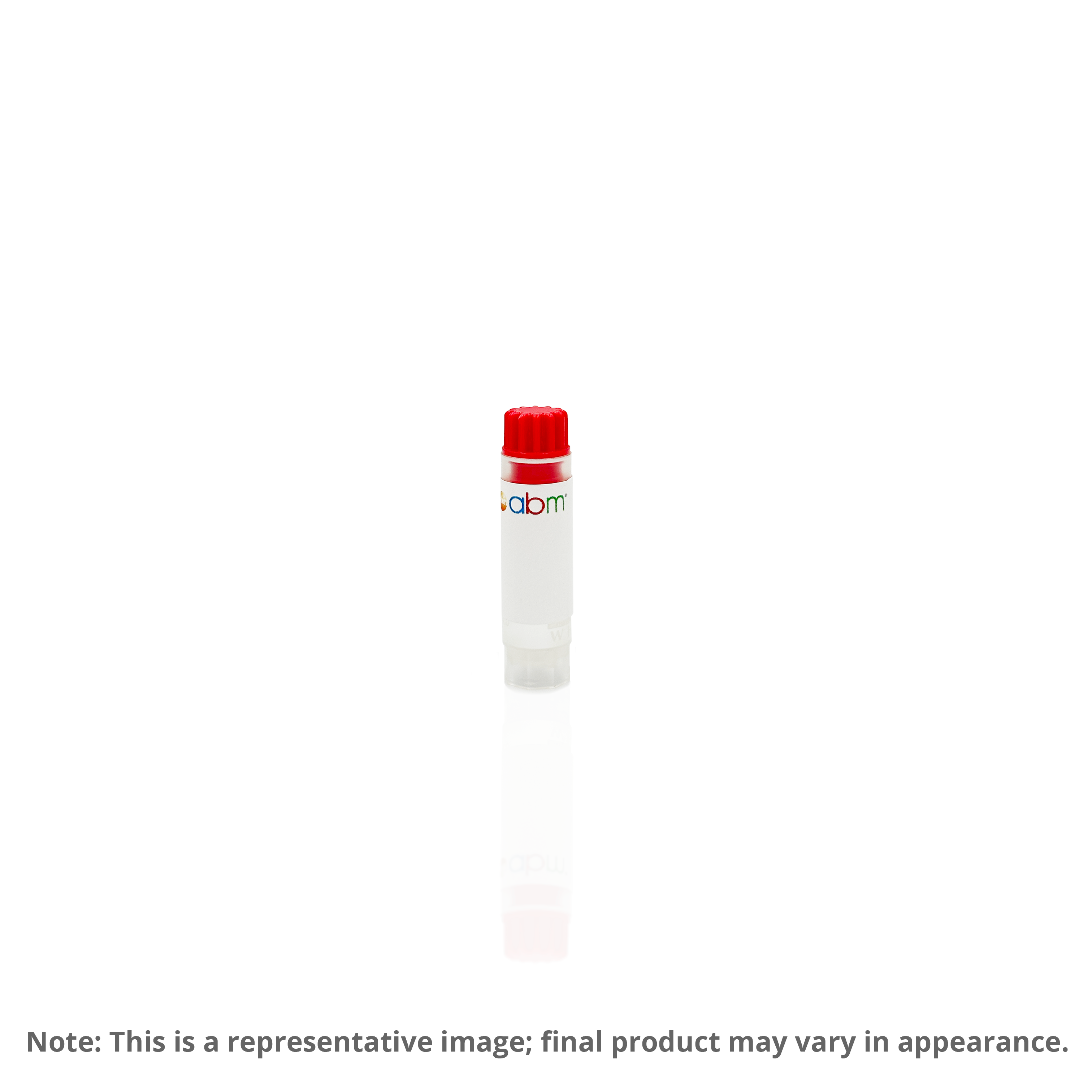

Immortalized Sweat Gland Myoepithelial Cell Line (iEM)
| Unit |
1×10⁶ cells / 1.0 ml |
|---|---|
| Cell Type |
Immortalized Cells |
| Tissue Type |
Sweat Gland |
| Organism |
Human (H. sapiens) |
| Donor History |
Female ,53 ,Eyelid |
| Growth Properties |
Suspension ,round spheroid |
| Growth Conditions |
Ultra-Low Attachment Plates or upright culture flasks are required for cell growth; cells must remain in suspension in order to form spheroids. Mammocult Human Medium Kit (Stemcell Technologies ,Cat. 05620) + 10 ng/ml EGF (Z100139) + 10 ng/ml bFGF (Z101456) + 4 µg/ml heparin + 0.5 µg/ml hydrocortisone 21-hemisuccinate + 2% (v/v) growth factor reduced matrigel (optional) + 1% Penicillin/Streptomycin Solution (G255) ,37.0°C ,5% CO₂.Note: thawed cells should be re-suspended in media supplemented with serum to neutralize DMSO. Cells take additional time to recover post-thaw and display cell death during the initial recovery phase. Grow cells in ultra-low attachemnt plates OR upright flask to allow spheroids to form. Subculture every 7 days and at least twice before experimental use. Seeding density: 2500 cells/well. |
| Immortalization Method |
Immortalized with lentiviral vector containing hTERT & SV40T |
| Full Information |
https://www.abmgood.com/immortalized-sweat-gland-myoepithelial-cells.html |

This novel, immortalized ecrine sweat gland myoepithelial cell line (iEM) serves as a model for research on sweat glands and sweating. These cells were developed from primary cells transduced with lentiviral vectors containing hTERT and SV40T. Cells display spheroid formation with increased population doubling compard to non-transduced cells. iEM’s express myoepithelial cell-specific proteins (a-SMA, B1 or K14) and can differentiate into luminal cells. Immortalized Sweat Gland Myoepithelial Cells provide a useful in vitro model for recapitulating eccrine sweat gland functions and for screening substances that can modulate sweating by acting on sweat glands. These cells are applicable for studies in hyperhidrosis, adiaphoresis, and sweat gland diseases. Please note: cells are exected to grow to 65 population doublings (PDs), however, the exact PD limit can vary by lot.