Genetika člověka
 Mikrobiologické aplikace
 NGS
 Rapid testy

 PCR plasty
 Pipetovací špičky
 Plasty pro buněčnou kultivaci
 Systém pro dlouhodobé skladování vzorků
 Zkumavky

 Třepačky
 Suché lázně
 Centrifugy
 End Point cyclery
 Real-time PCR cyclery
 Fluorometry
 Spektrofotometry
 Izolátory nukleových kyselin
 Pipetovací roboty
 Biobanking
 Live Cell Imaging

 Jednokanálové
 Multikanálové
 Sérologické pipety
 Jednorázové pipety

 Buněčné kultury
 PCR, qPCR, RT
 Detekce Mycoplasmat
 Reverzní transkripce

 Alergie
 Intolerance
 Elisa
 Imunologické analyzátory
 Veterinární imunologie
 Alergie u zvířat
 Intolerance u zvířat

 Čtečky identifikačních čipů
 Termočipy
 Biochemie
 Imunoanalýza


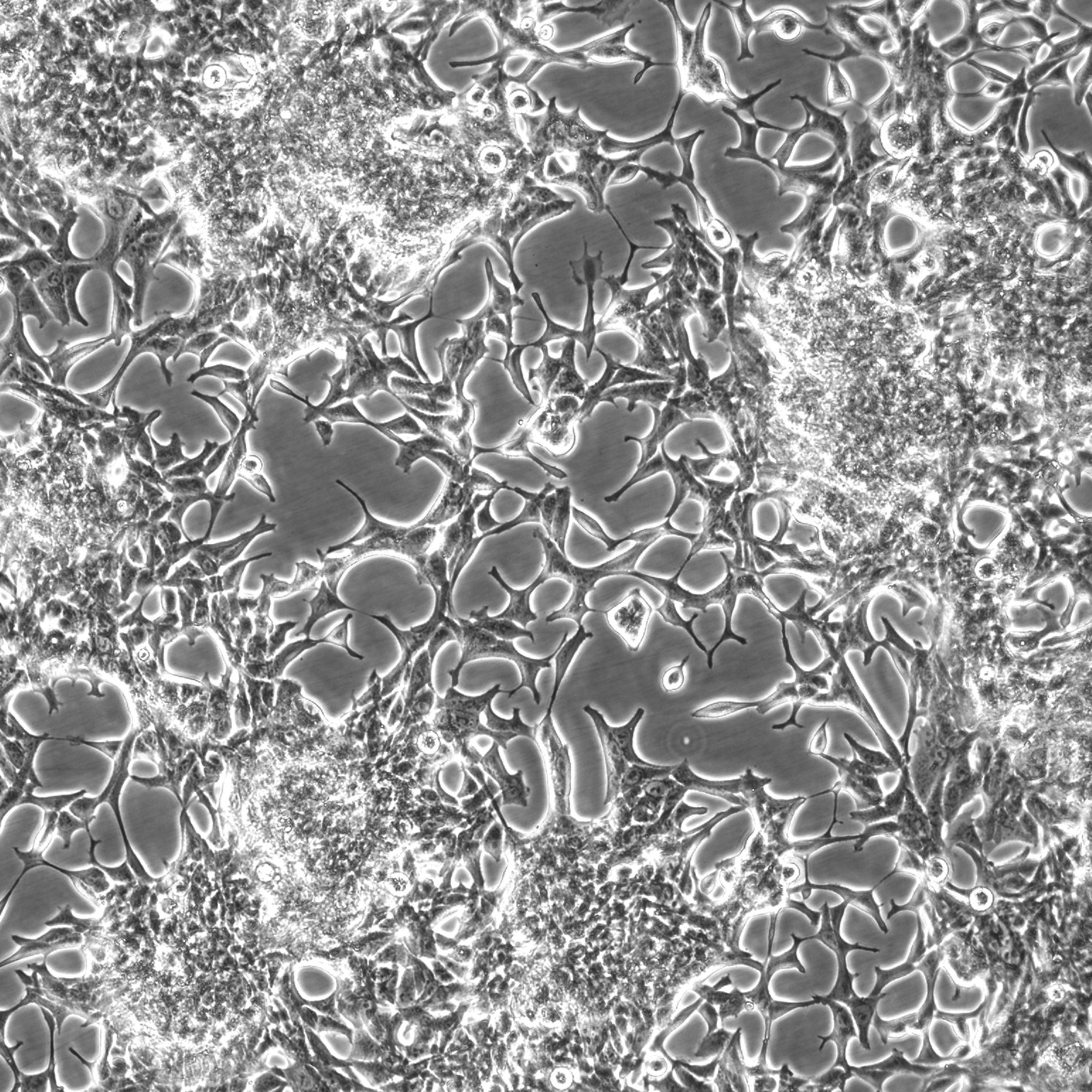

C4-2 Cells
| Unit |
3 x 10^6 cells/ml |
|---|---|
| Cell Type |
Tumor Cells |
| Tissue Type |
Prostate cancer cell lines |
| Organism |
Human |
| Donor History |
Prostate carcinoma |
| Growth Properties |
Adherent |
| Growth Conditions |
Culture medium: DMEM:Hams F12 (4:1). Supplements: Supplement the medium with 10% hia FBS. Seeding density: 2 – 3 x 10⁴ cells/cm². Freeze medium: As a cryopreservation medium ,we use complete growth medium (including FBS) + 10% DMSO for adequate post-thaw viability ,or CM-1 (Cytion catalog number 800100) ,which includes optimized osmoprotectants and metabolic stabilizers to enhance recovery and reduce cryo-induced stress. Incubation atmosphere: 37°C ,5% CO2 ,humidified atmosphere. |
| Immortalization Method | |
| Full Information |

The C4-2 cell line is an androgen-independent human prostate cancer model derived from the parental LNCaP cell line. It was established through a stepwise in vivo selection process involving co-injection of LNCaP cells with human bone stromal cells (MS cells) into castrated immunodeficient mice, leading to the emergence of androgen-insensitive tumors. The C4-2 subline was specifically derived from the C4 variant after further passage in castrated hosts, and it retains the ability to grow and form tumors in androgen-depleted conditions without the need for stromal support.
C4-2 cells maintain the prostate-specific antigen (PSA) production and expression of the androgen receptor (AR), including the characteristic T877A AR point mutation inherited from LNCaP, but display reduced androgen responsiveness compared to the parental line. While LNCaP cells require androgens for growth, C4-2 cells proliferate in androgen-depleted environments and continue to express PSA and AR-regulated genes, making them a robust model for castration-resistant prostate cancer (CRPC). In vitro, C4-2 cells grow more rapidly than LNCaP under standard culture conditions, and they also exhibit improved tumorigenicity in vivo. When injected subcutaneously into immunocompromised mice, C4-2 cells readily form tumors, a feature that contrasts with the slower or less consistent tumorigenic potential of LNCaP cells.
The C4-2 model has been widely used to study mechanisms of resistance to androgen deprivation therapy (ADT), the role of intracrine androgen metabolism, and the molecular pathways underpinning CRPC progression. It retains expression of prostate-specific membrane antigen (PSMA), although at lower levels than LNCaP, and displays unique responses to androgen stimulation and antiandrogen therapies. These attributes make C4-2 a cornerstone model for evaluating new therapeutics targeting advanced prostate cancer.
Společnost Cytion vznikla v roce 2004 v německém Heidelbergu s jasným vědeckým posláním: dodávat ověřené lidské a zvířecí buněčné linie bez kontaminace, připravené za přísně kontrolovaných laboratorních podmínek.
Postupně se vypracovala ve spolehlivou buněčnou banku, která slouží akademickým laboratořím, biotechnologickým firmám i farmaceutickým výzkumným týmům po celém světě. Klade přitom důraz na reprodukovatelnost výsledků, přísnou kontrolu kvality a dlouhodobá partnerství.